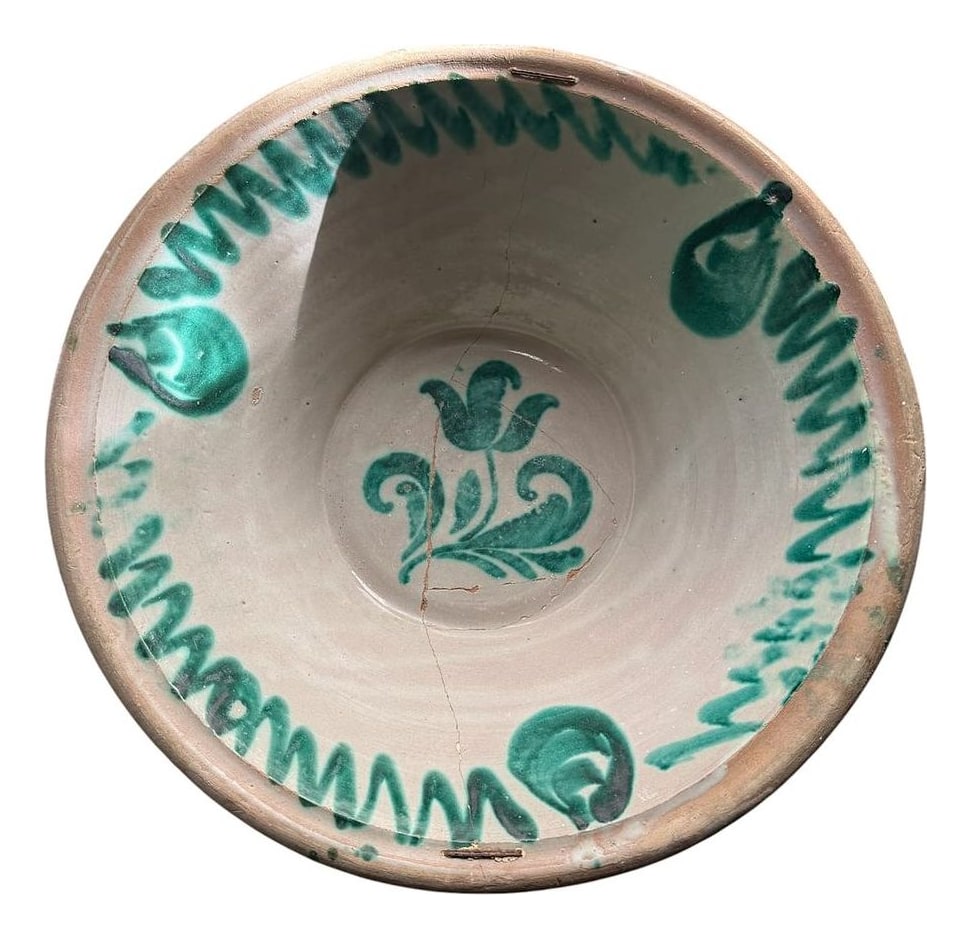
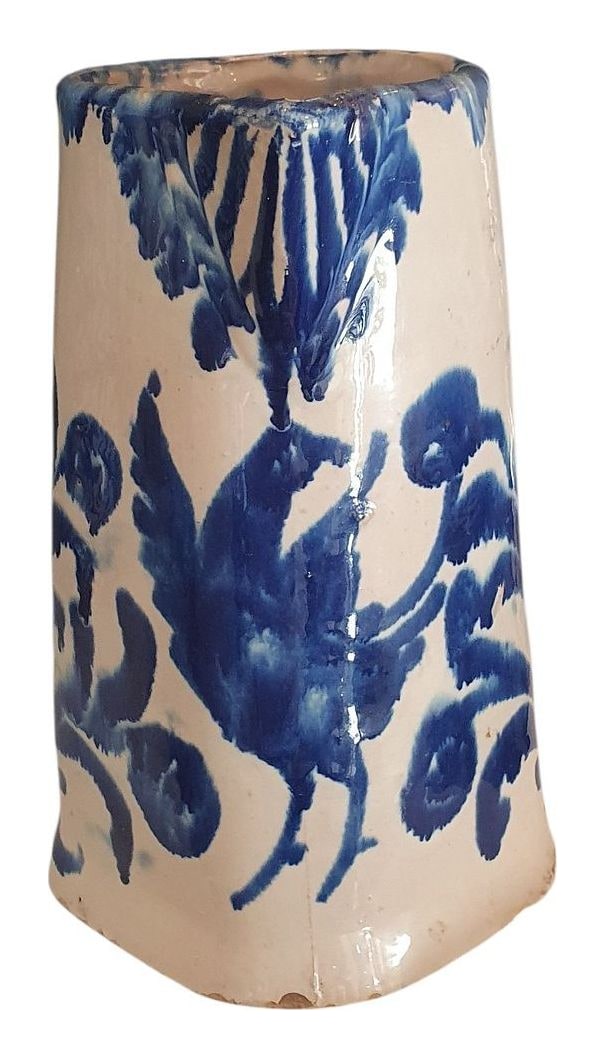

19th-century antiques
The 19th century is the golden era of decorative collecting: Isabelline and Fernandine furniture, Victorian pieces, oil lamps, Sèvres and Limoges porcelain, chased silver and the first photography. A selection from professional dealers.
Pieces from dealers with a shop on Antiga. Listed prices: from 35 € to 18.000 €, median 650 €. Main categories: Art, Sculpture, Religious art, Lighting. Most common materials: Mixed materials, Wood, Wrought iron.
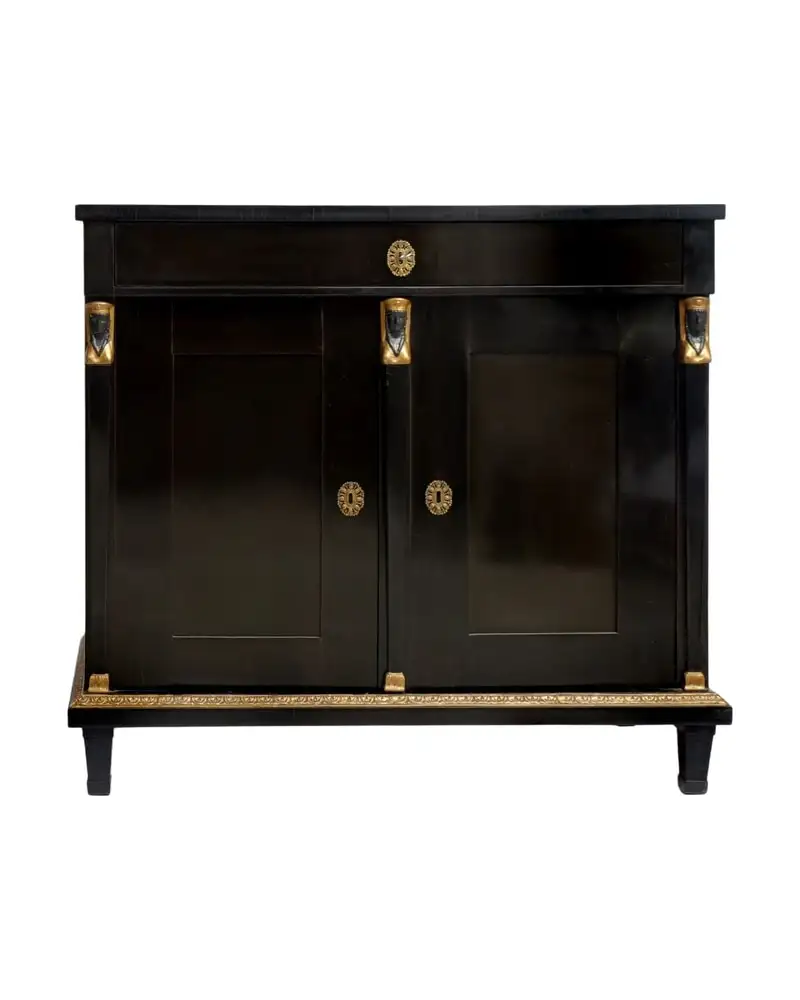
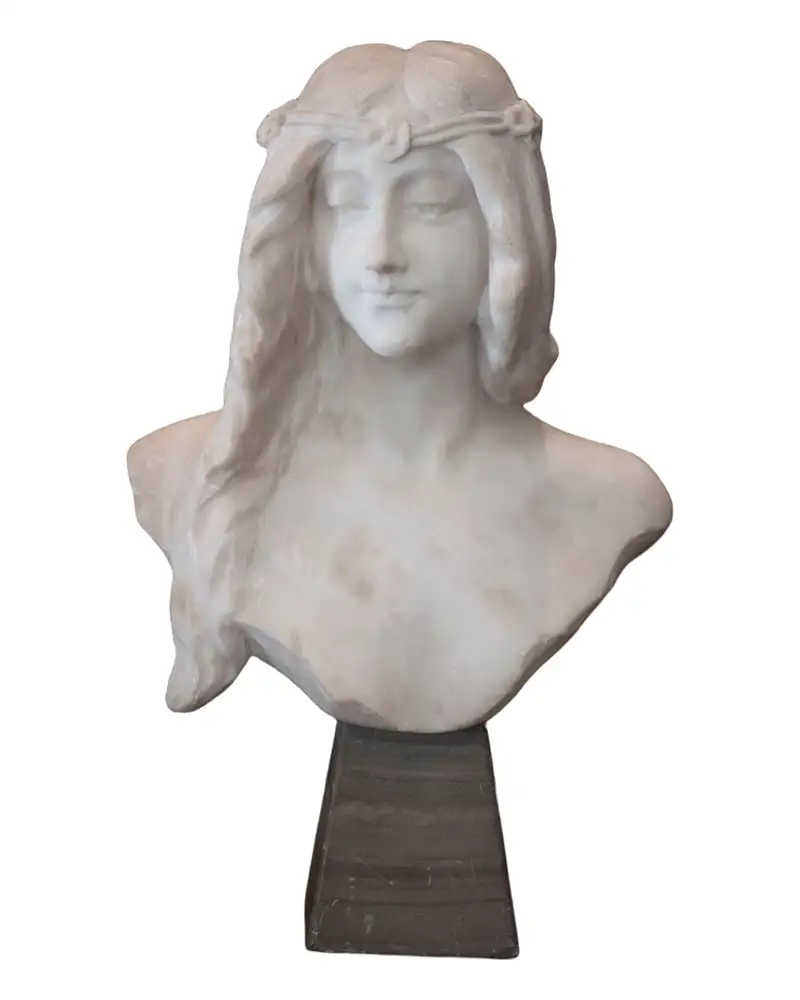
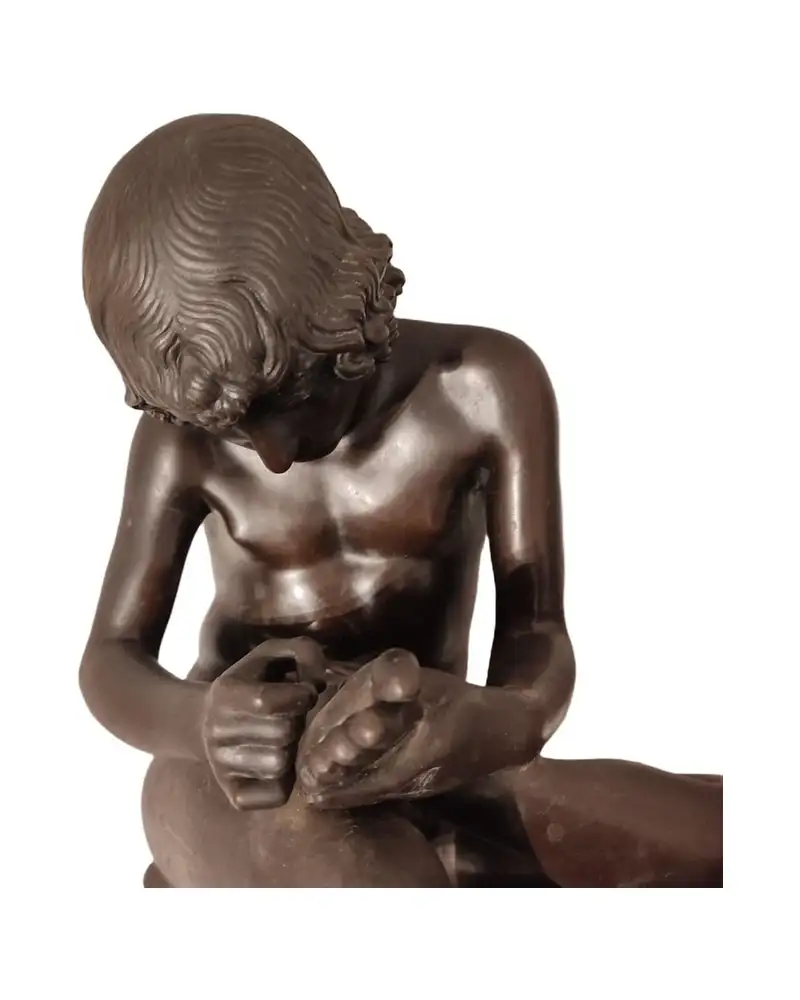
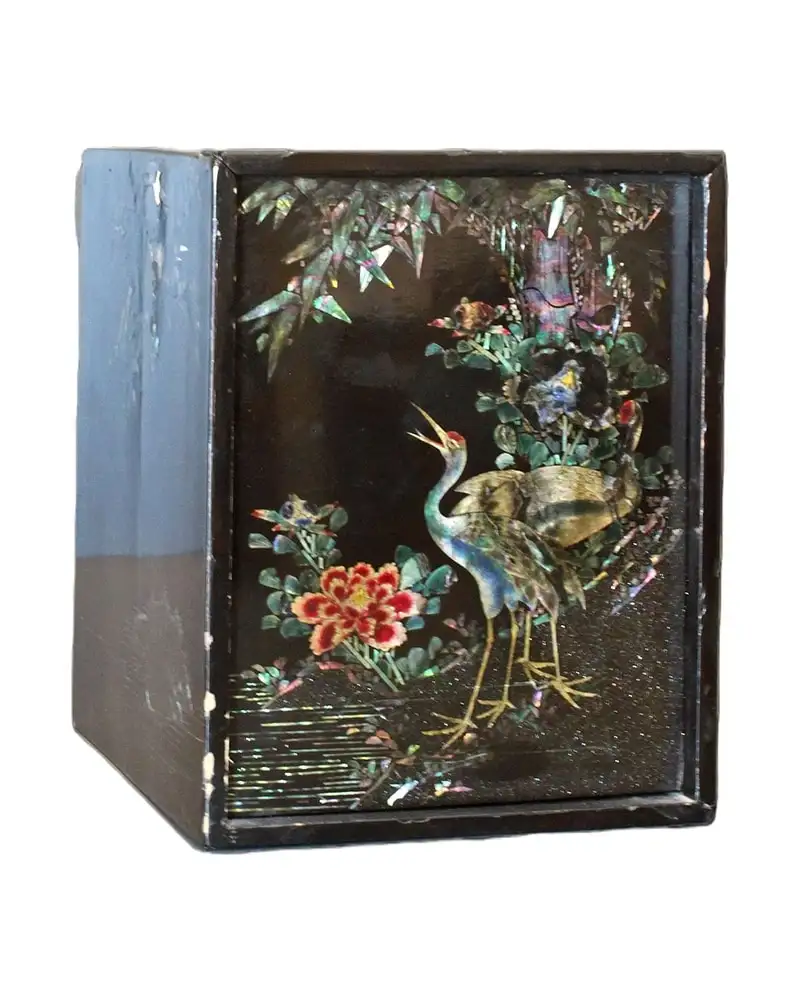
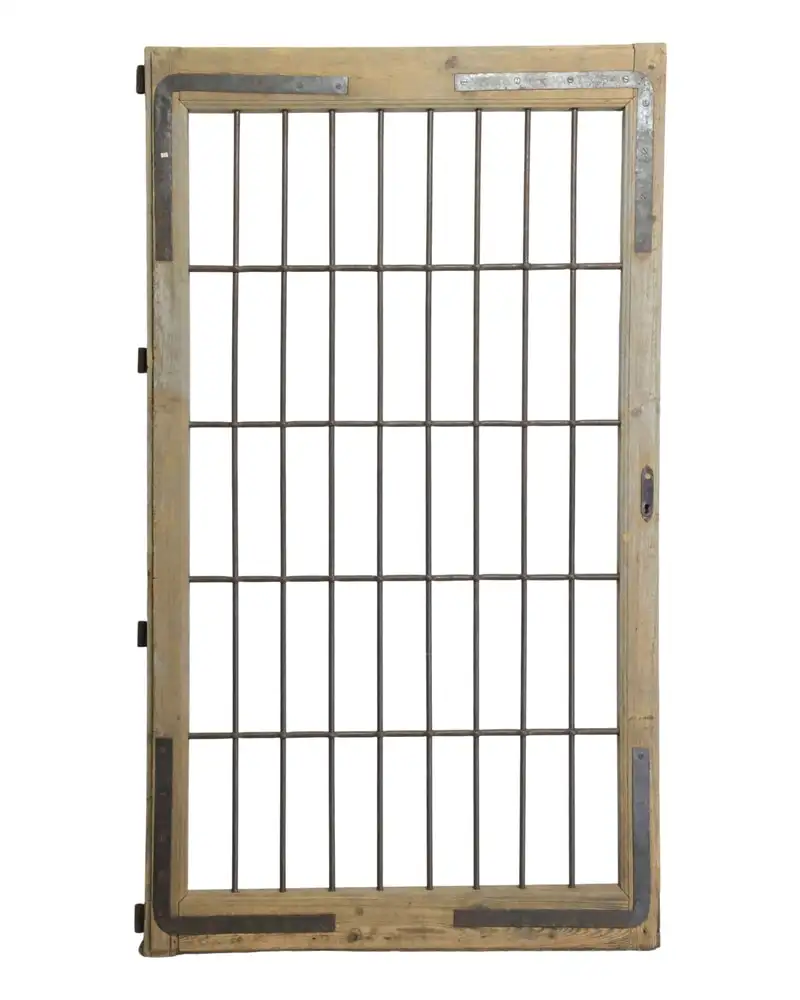
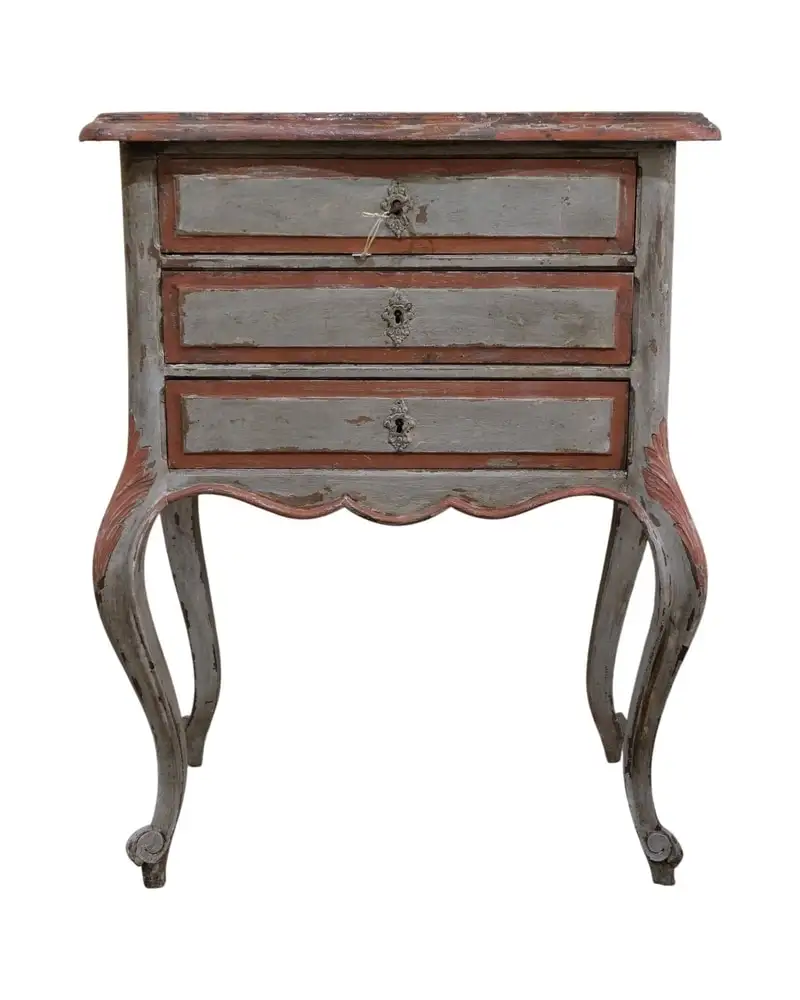
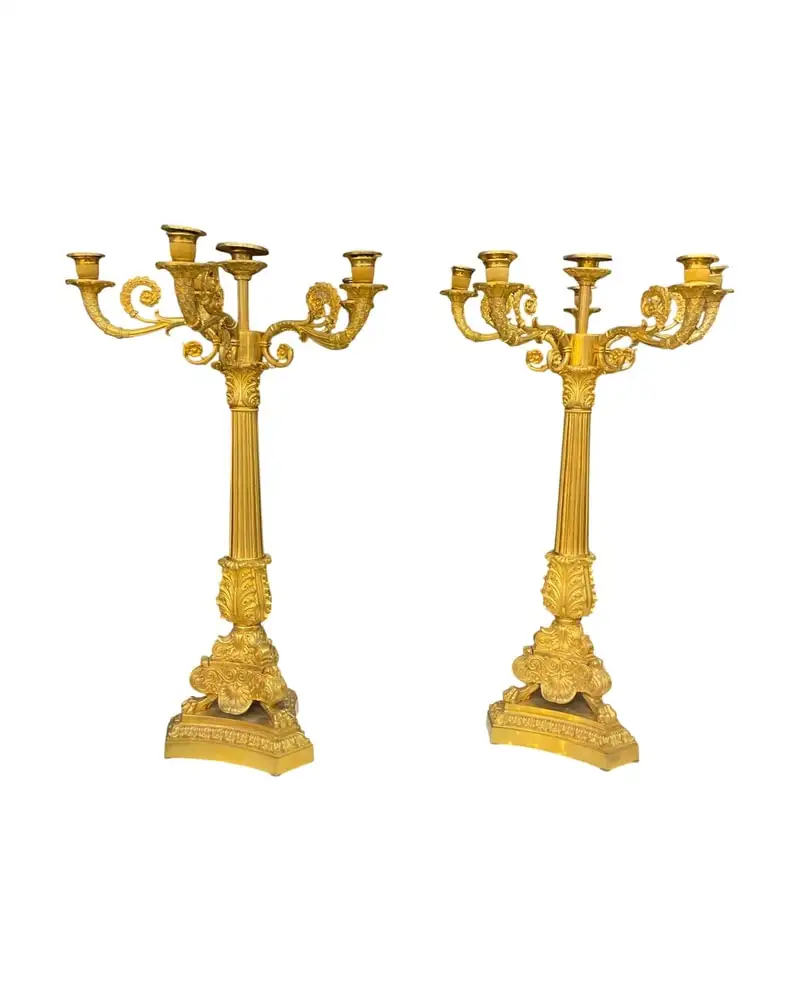
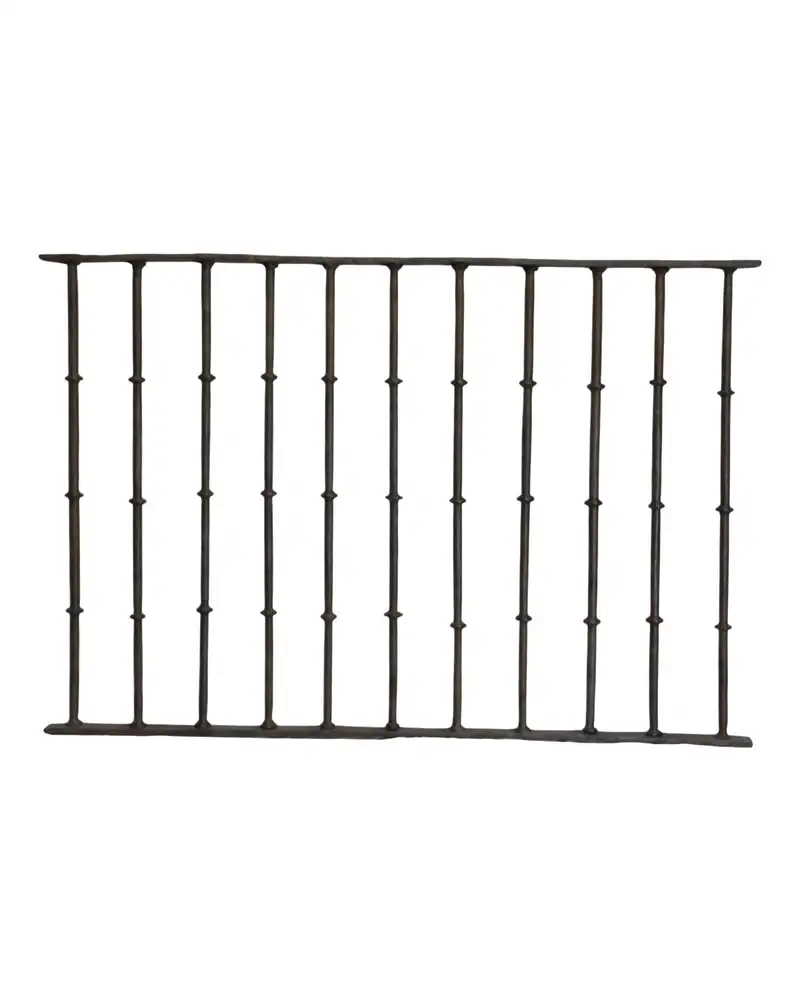
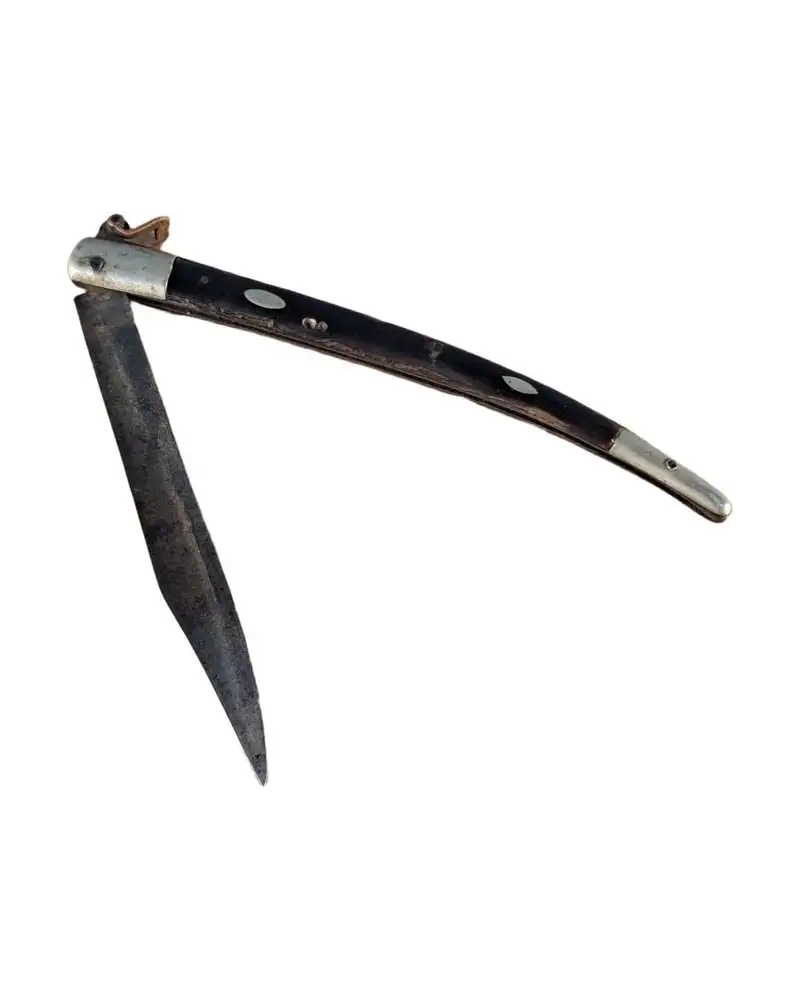
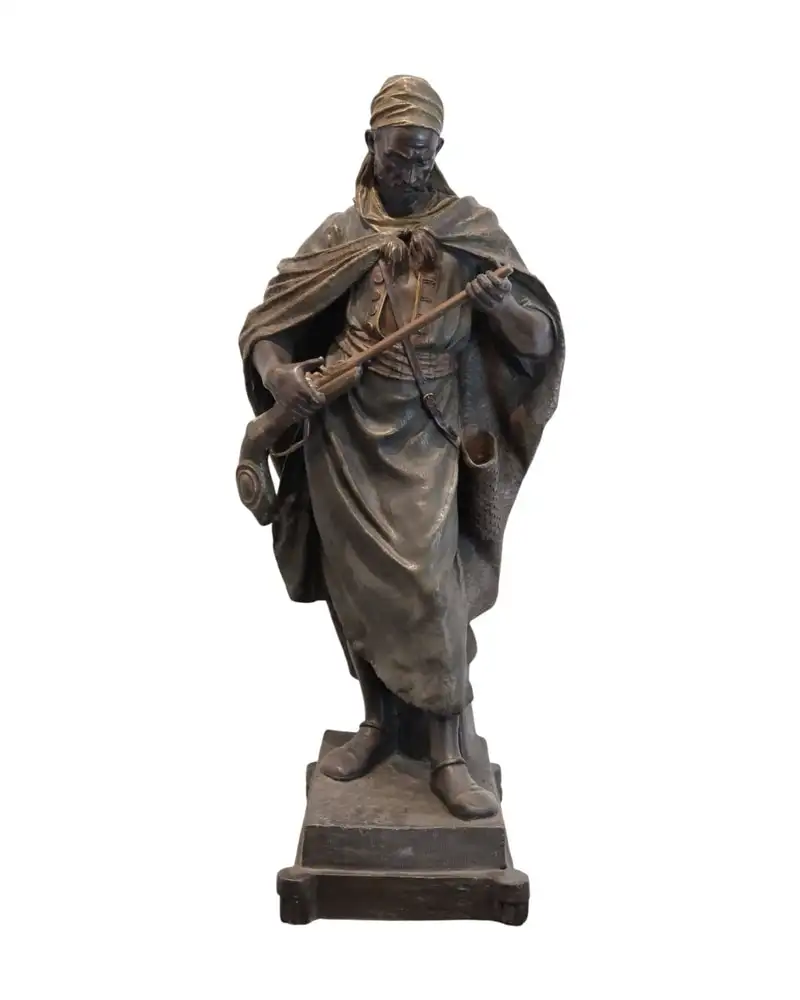
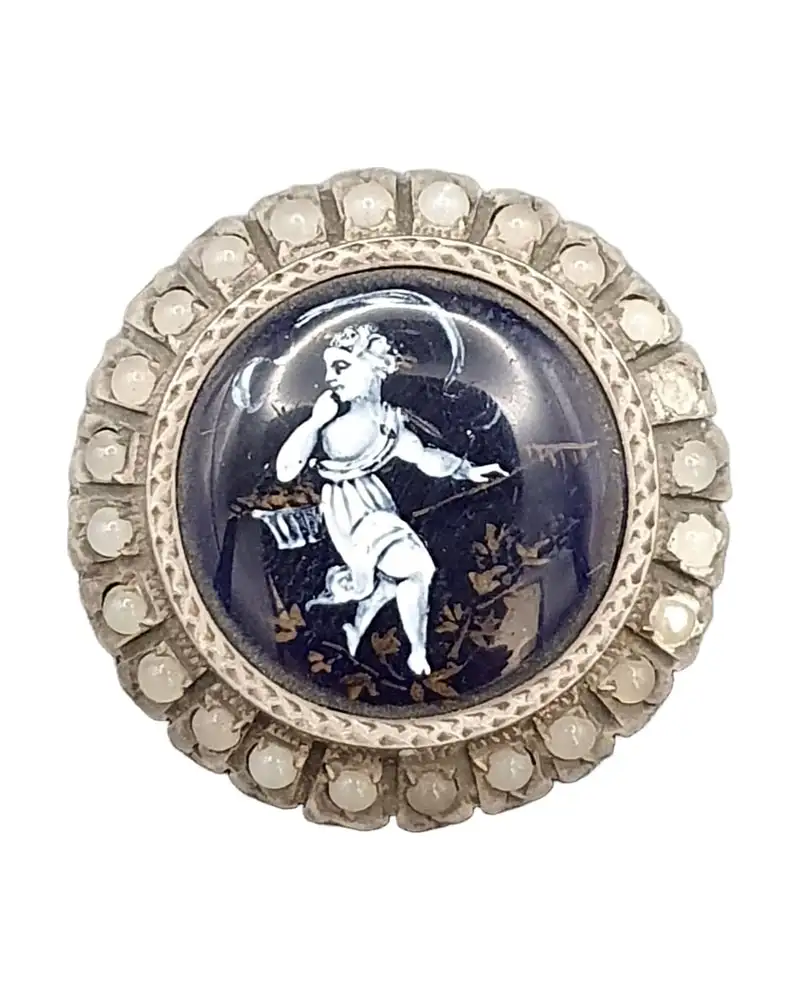
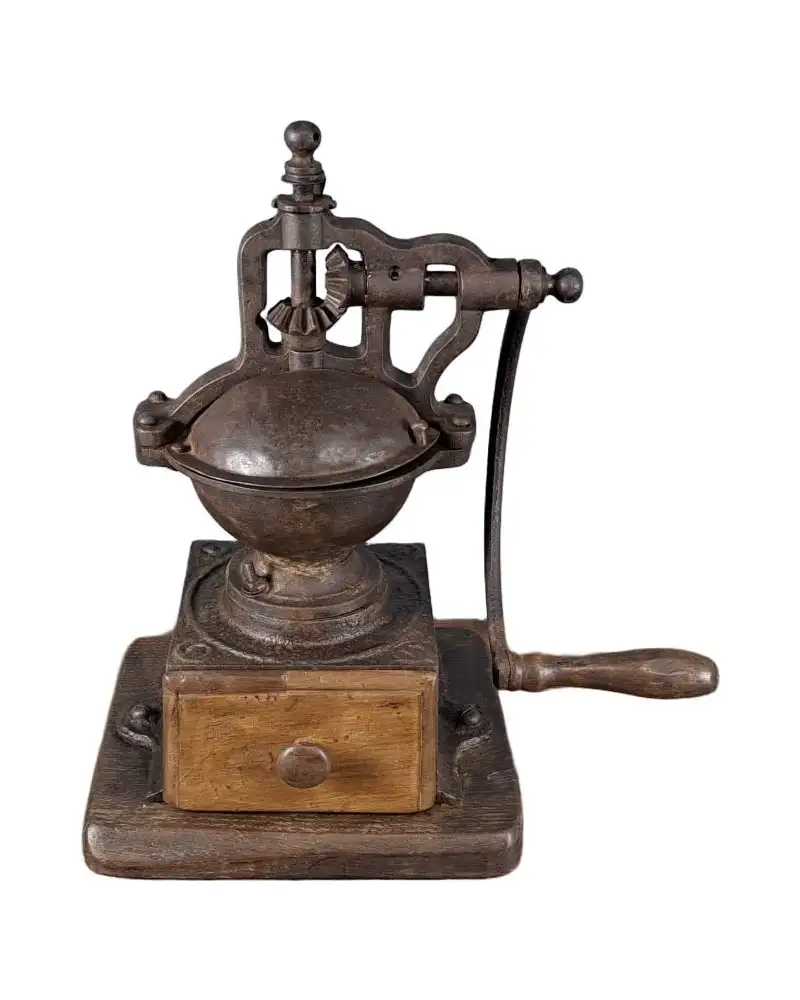
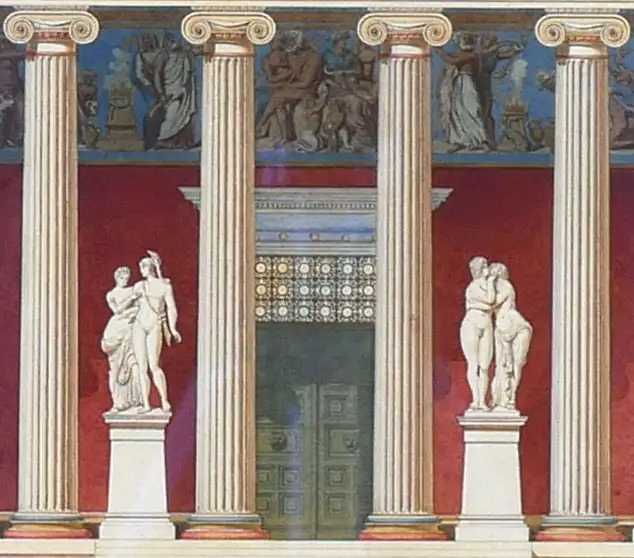
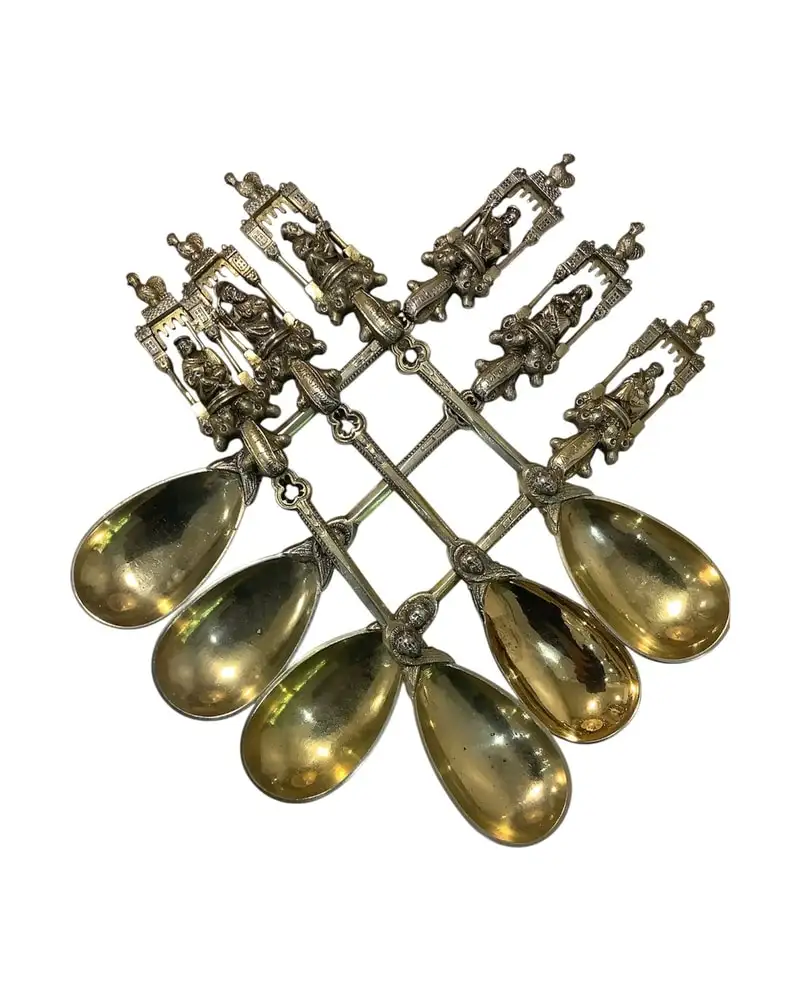
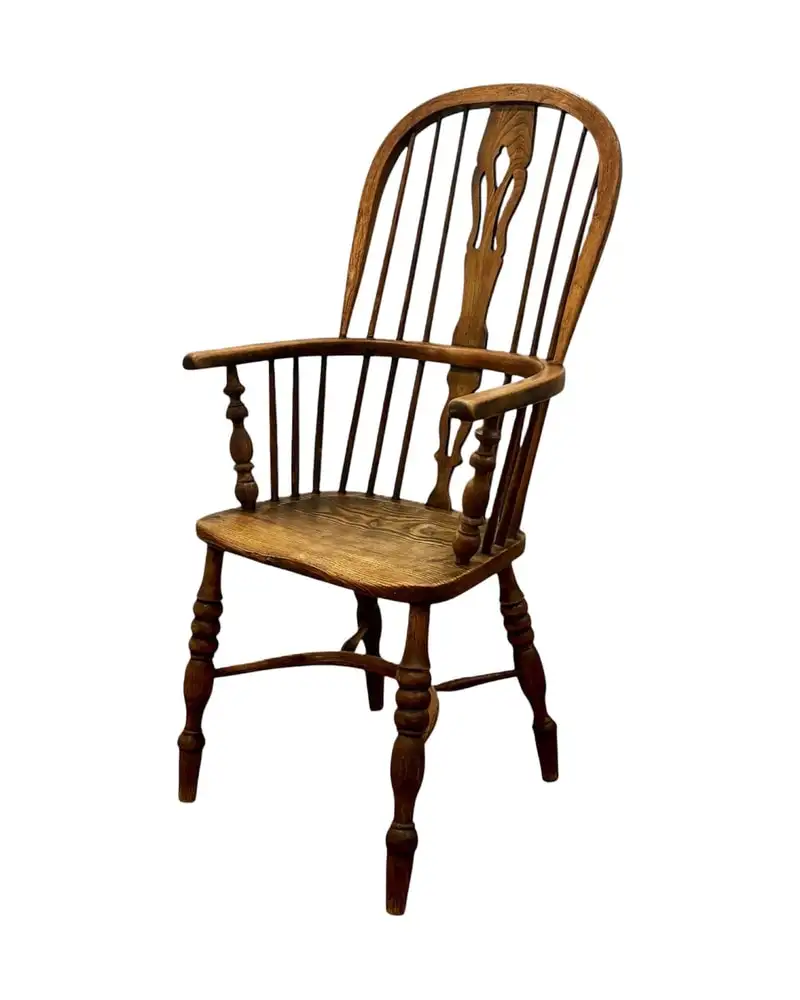
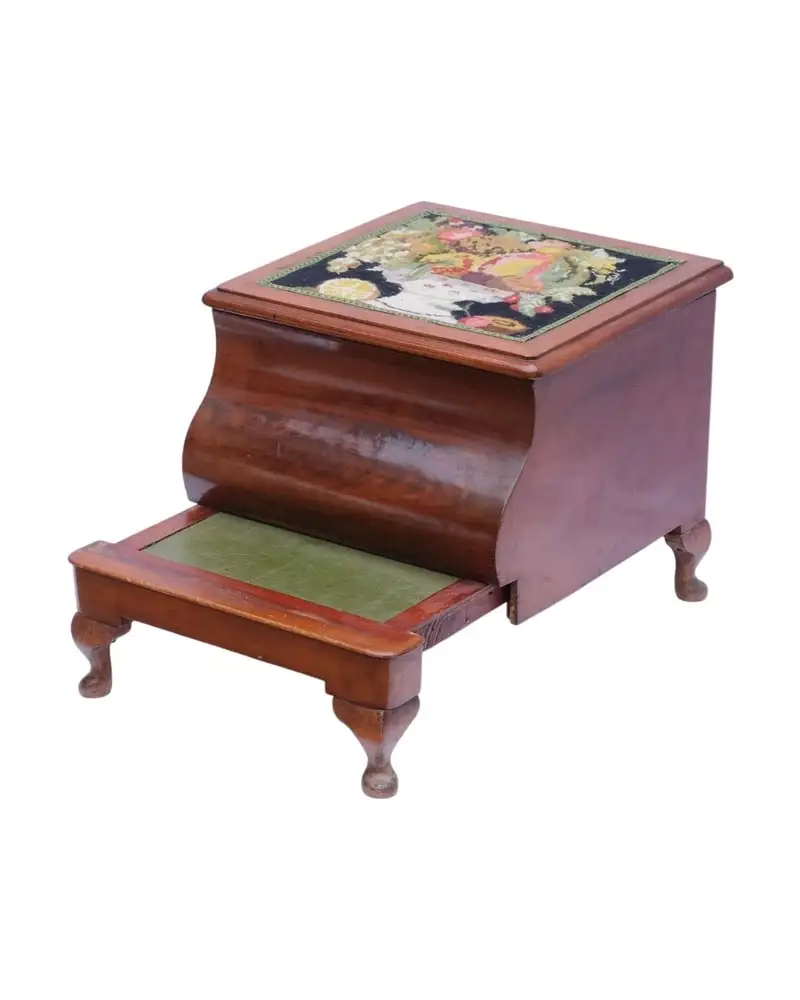
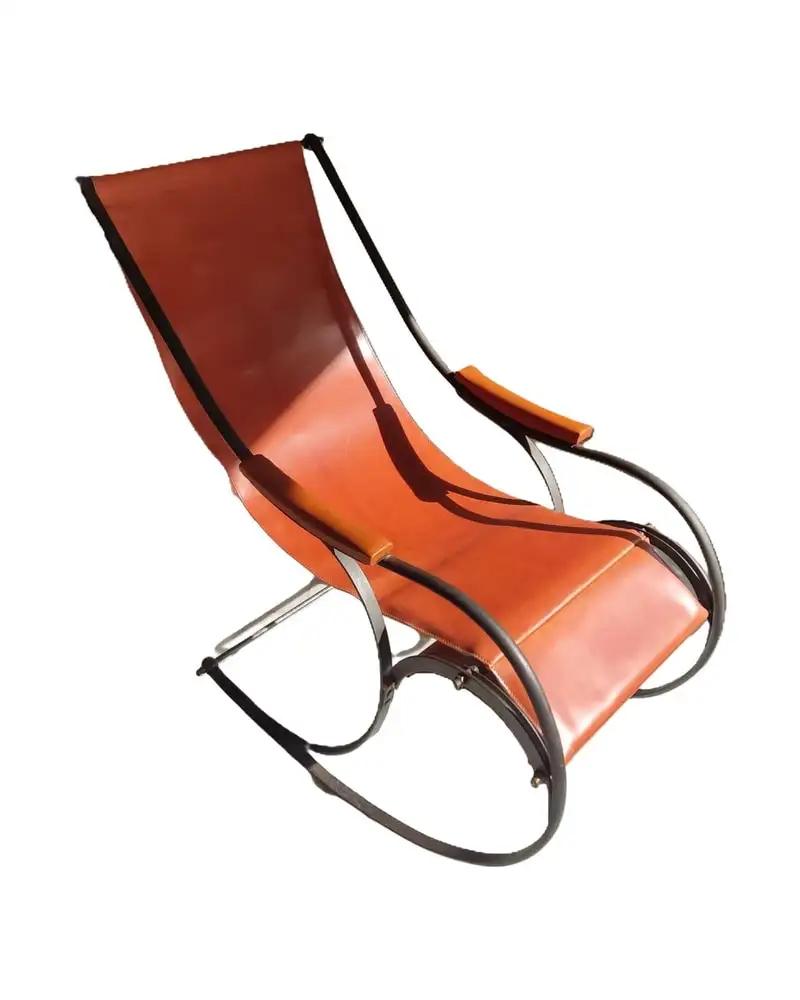
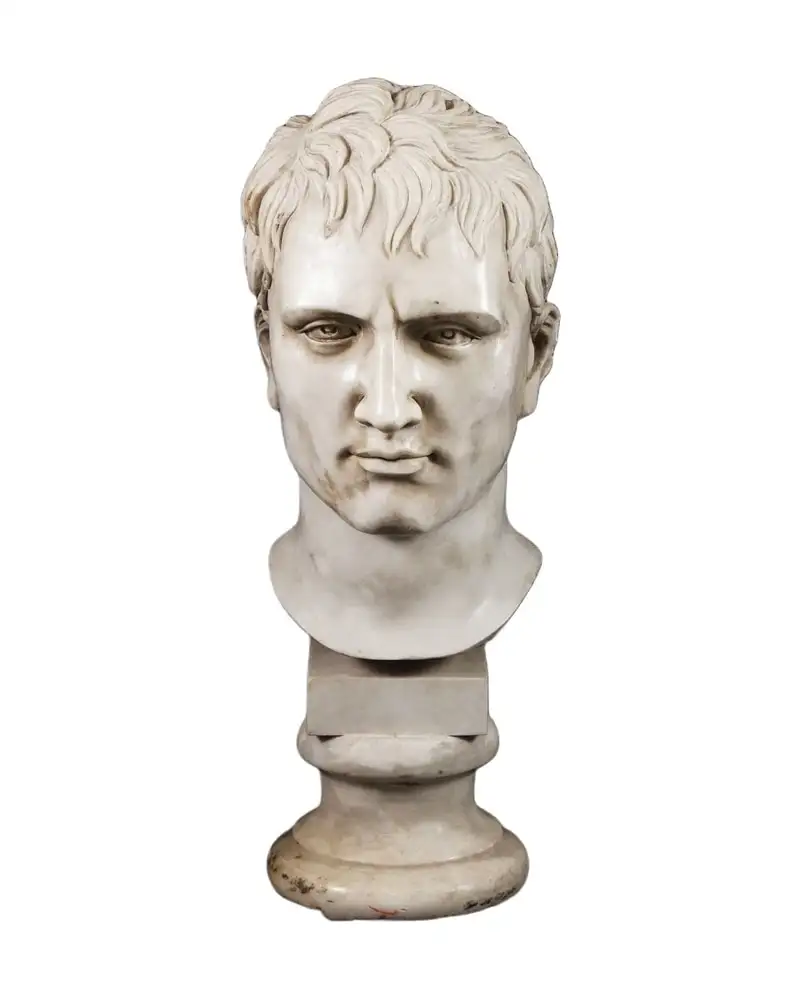
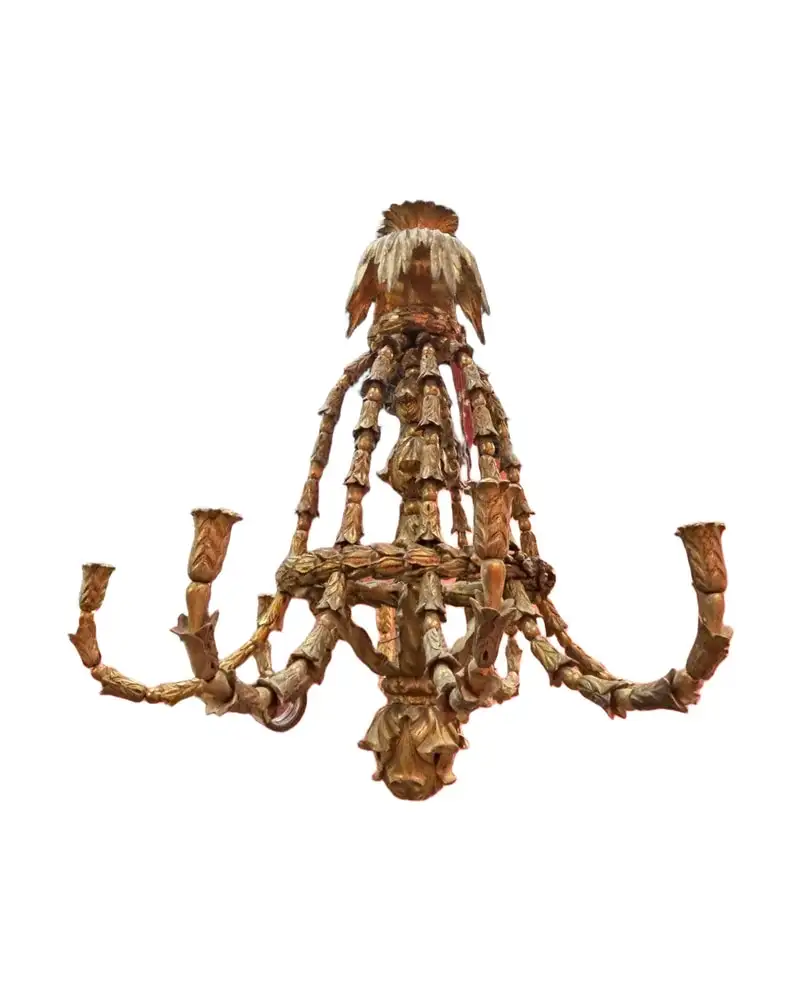
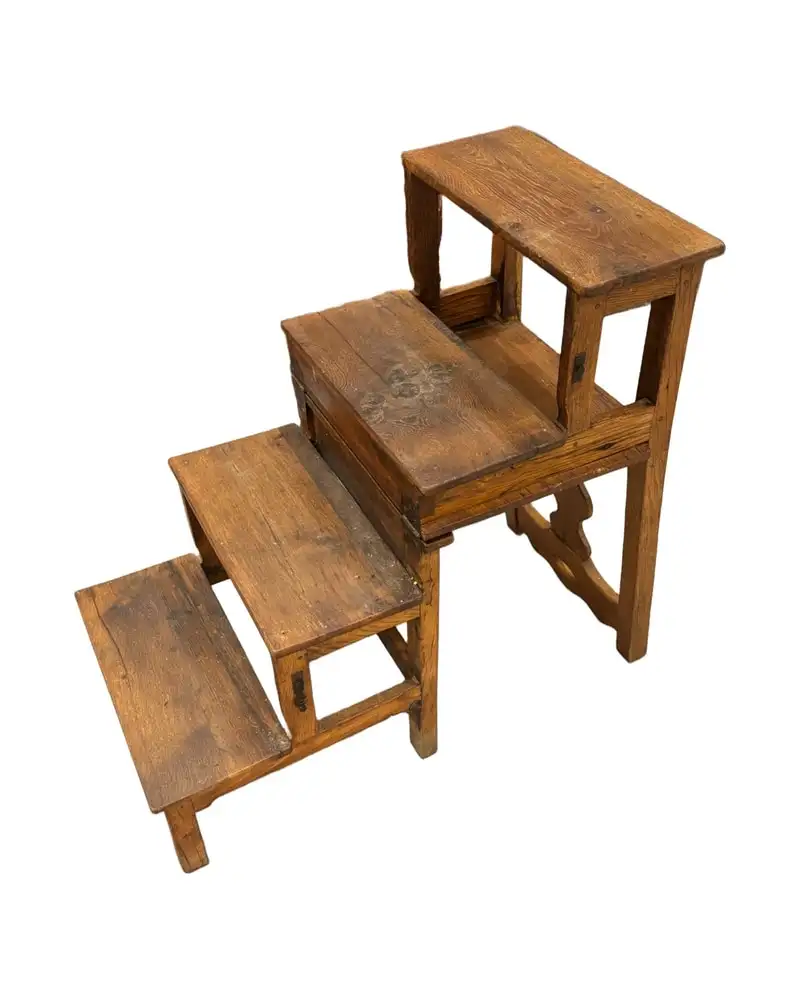
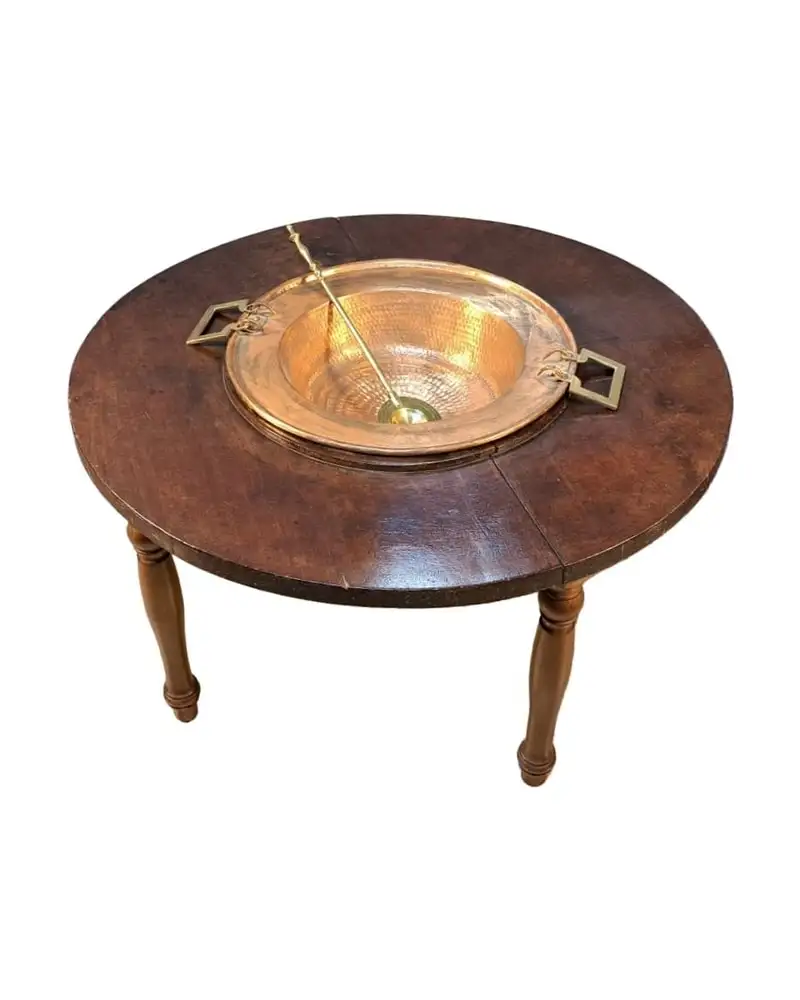
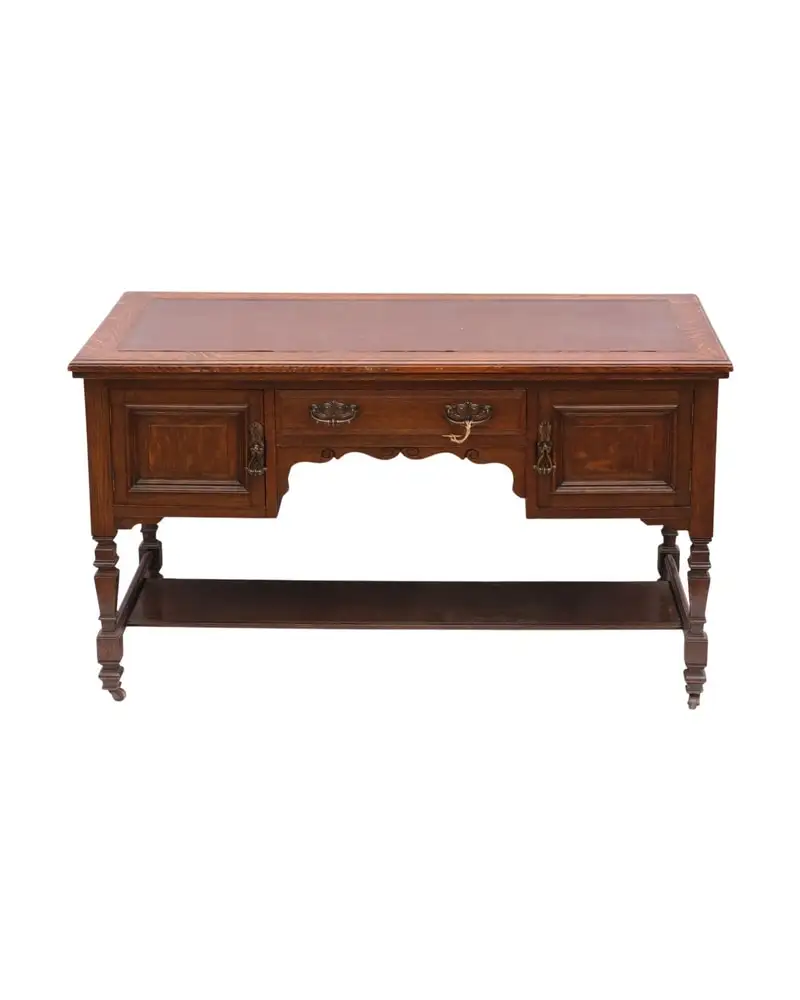
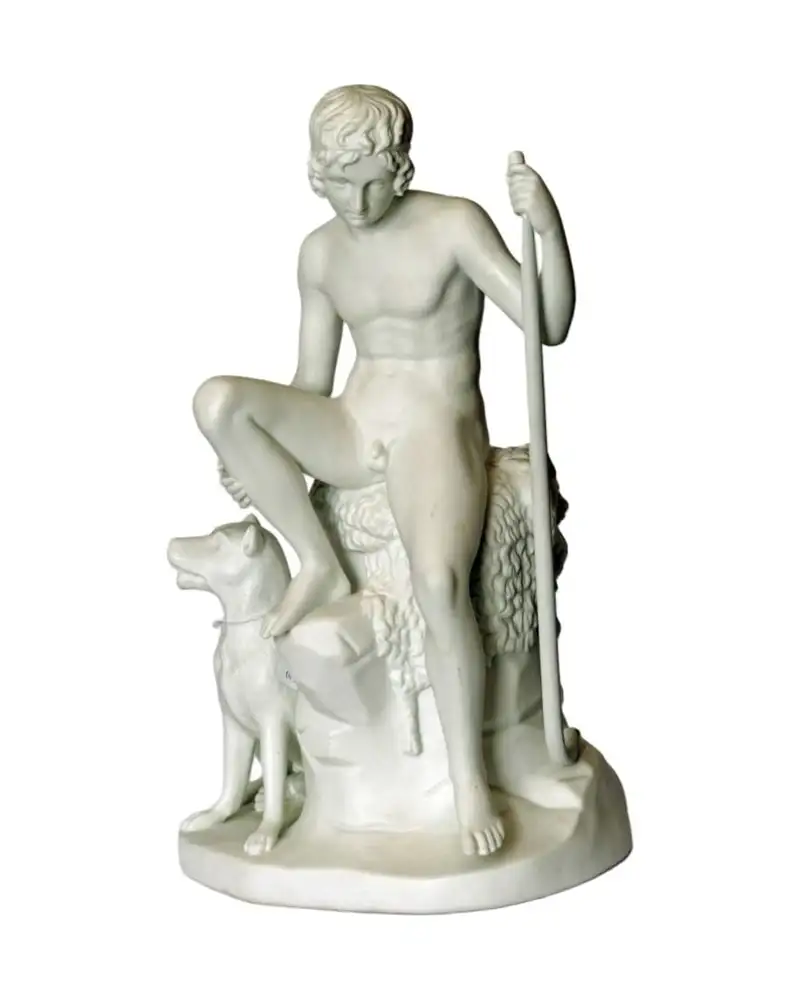
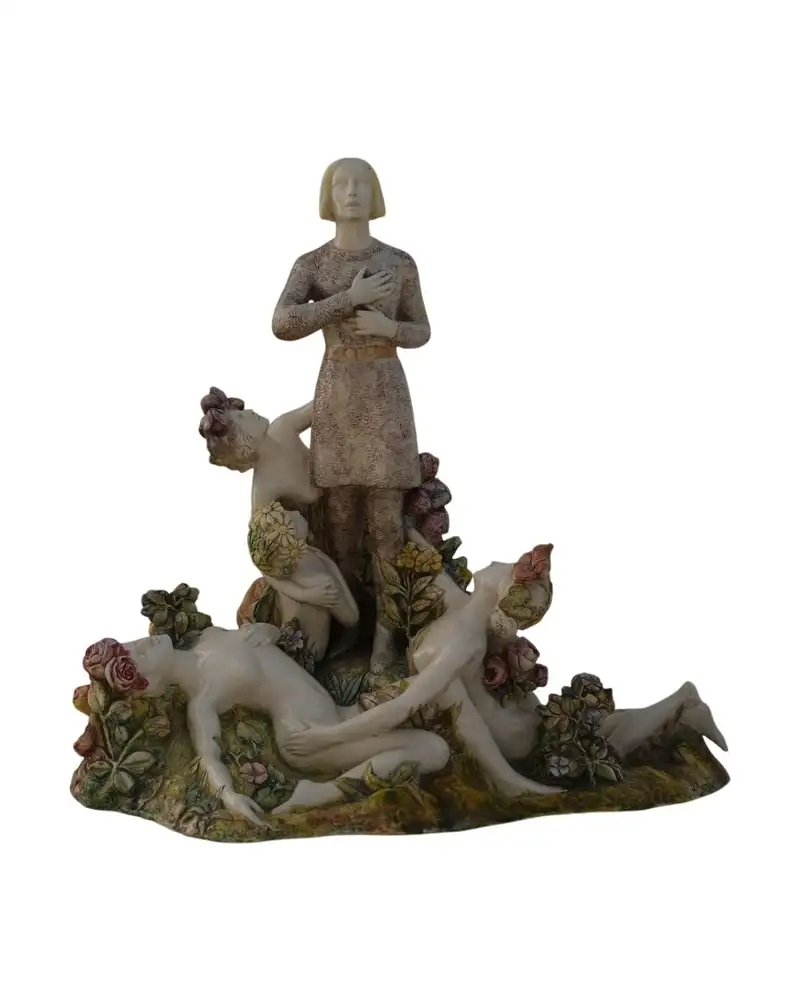
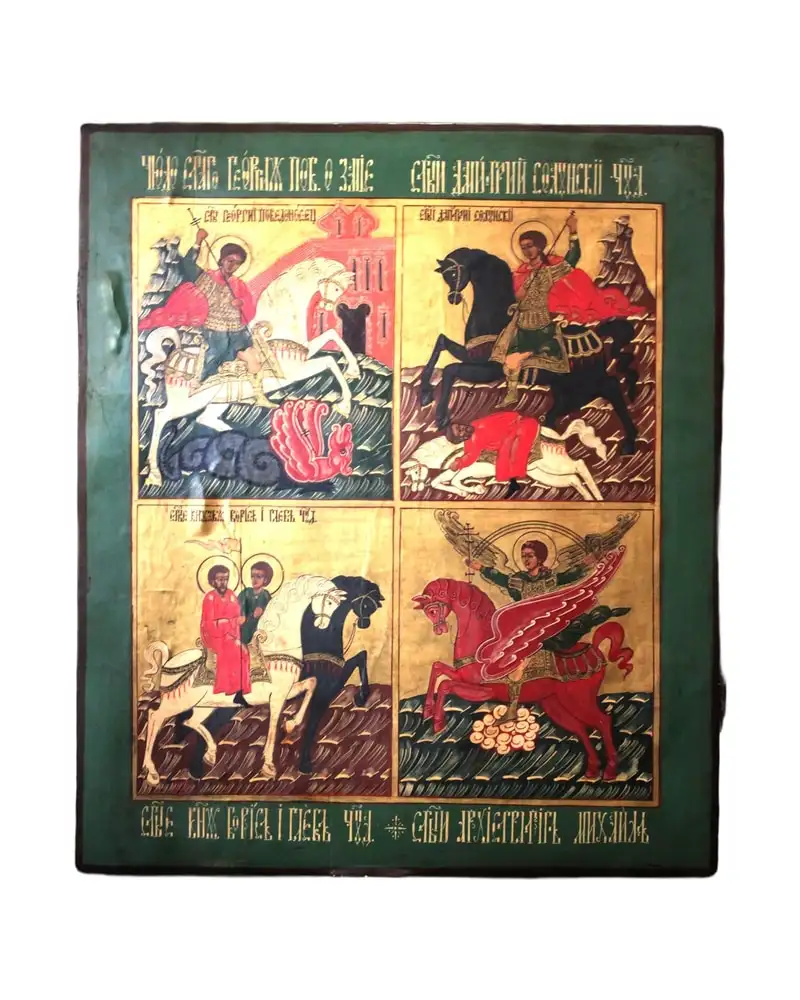
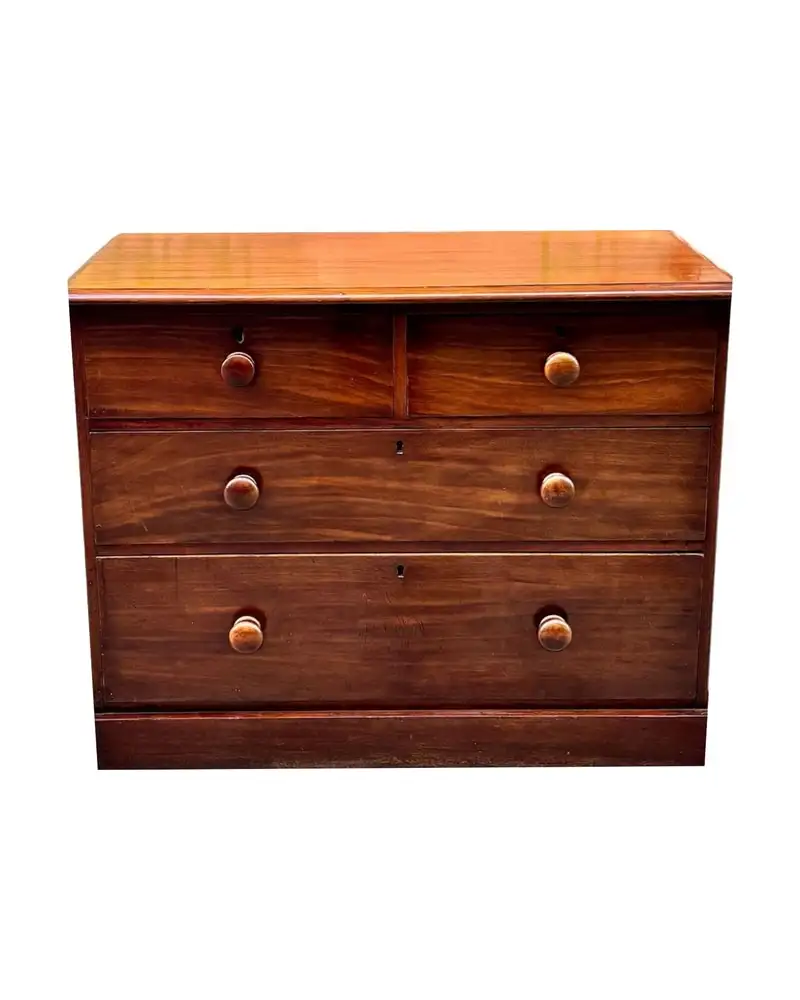
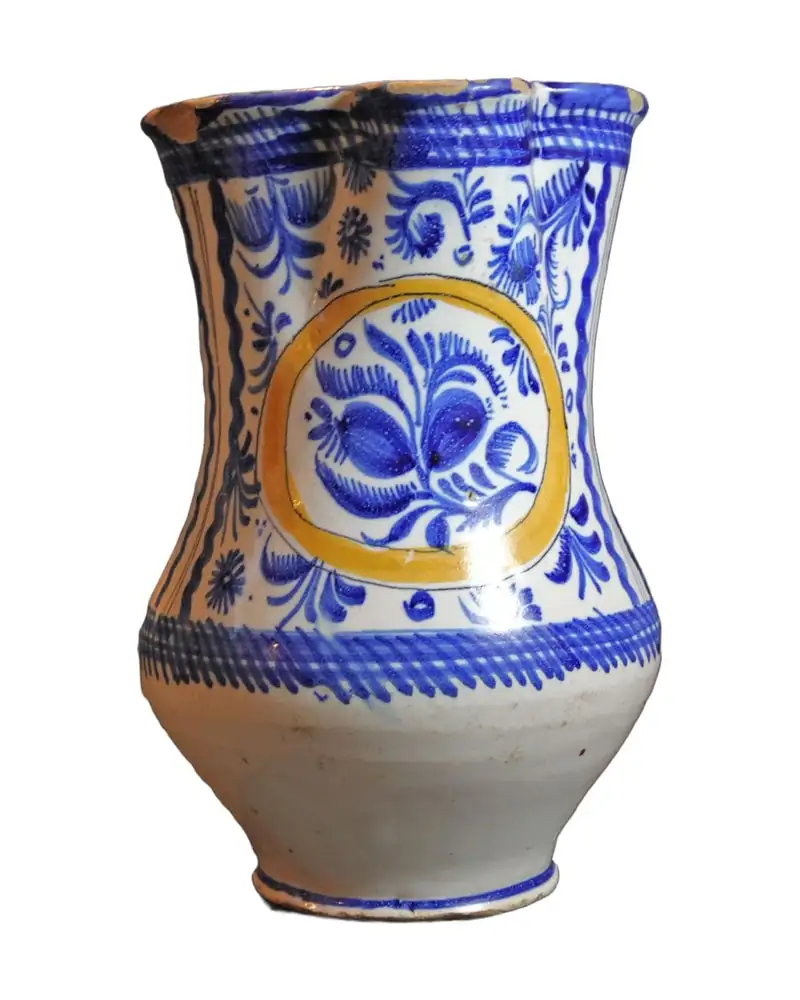
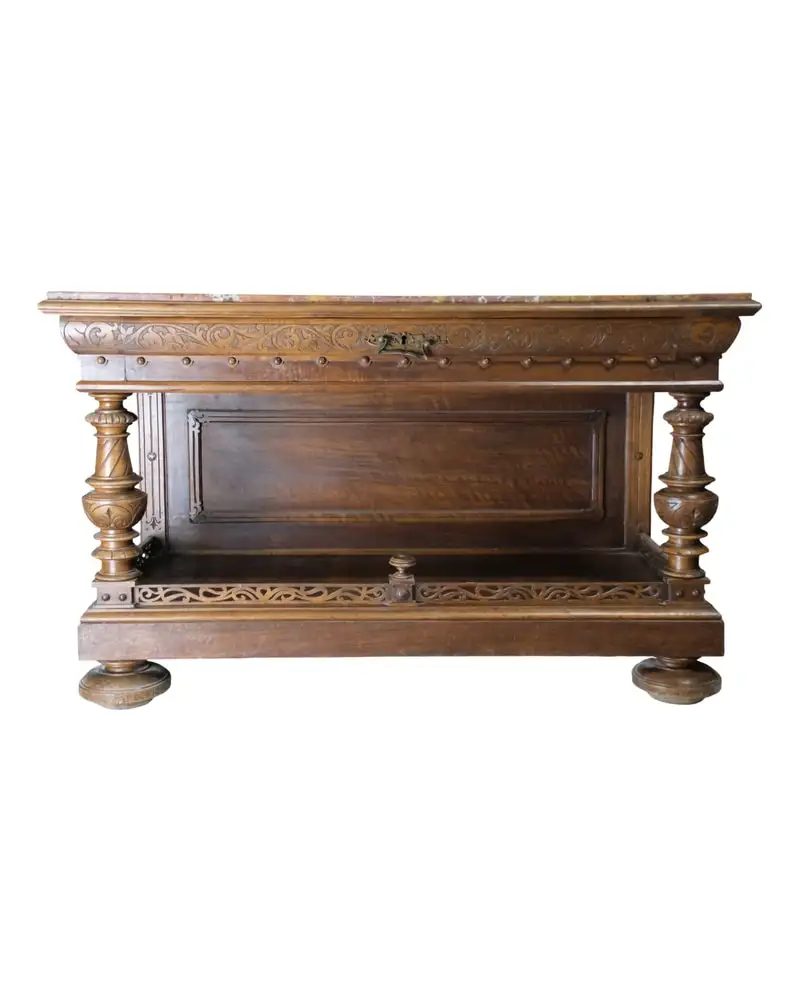
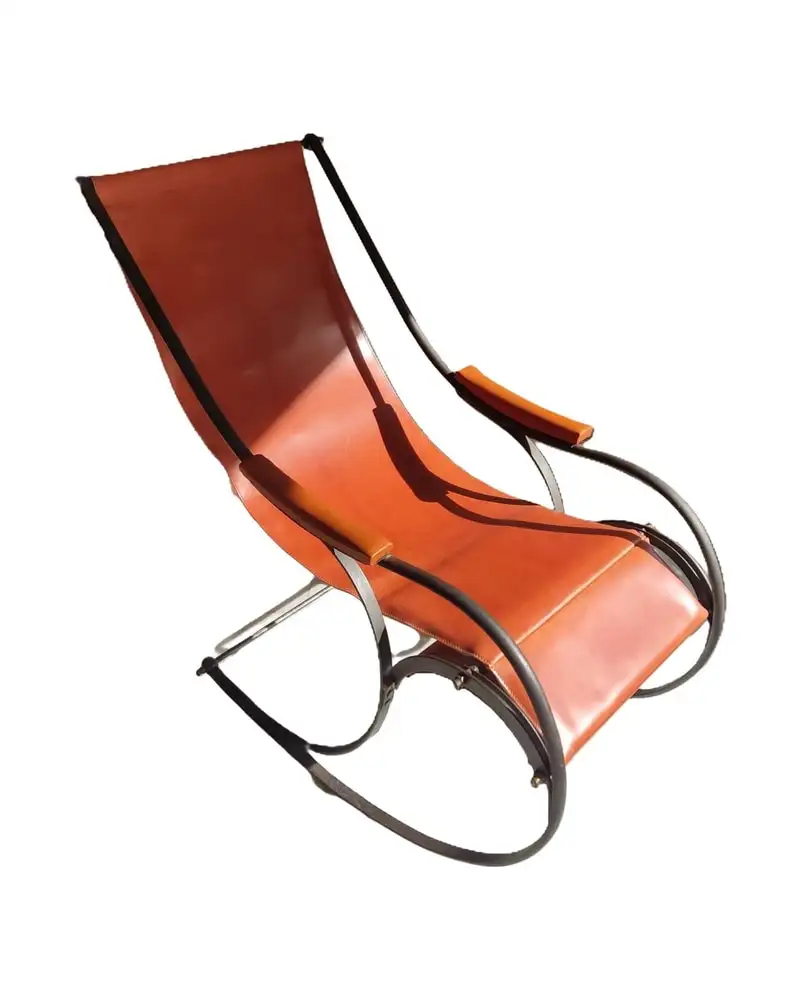
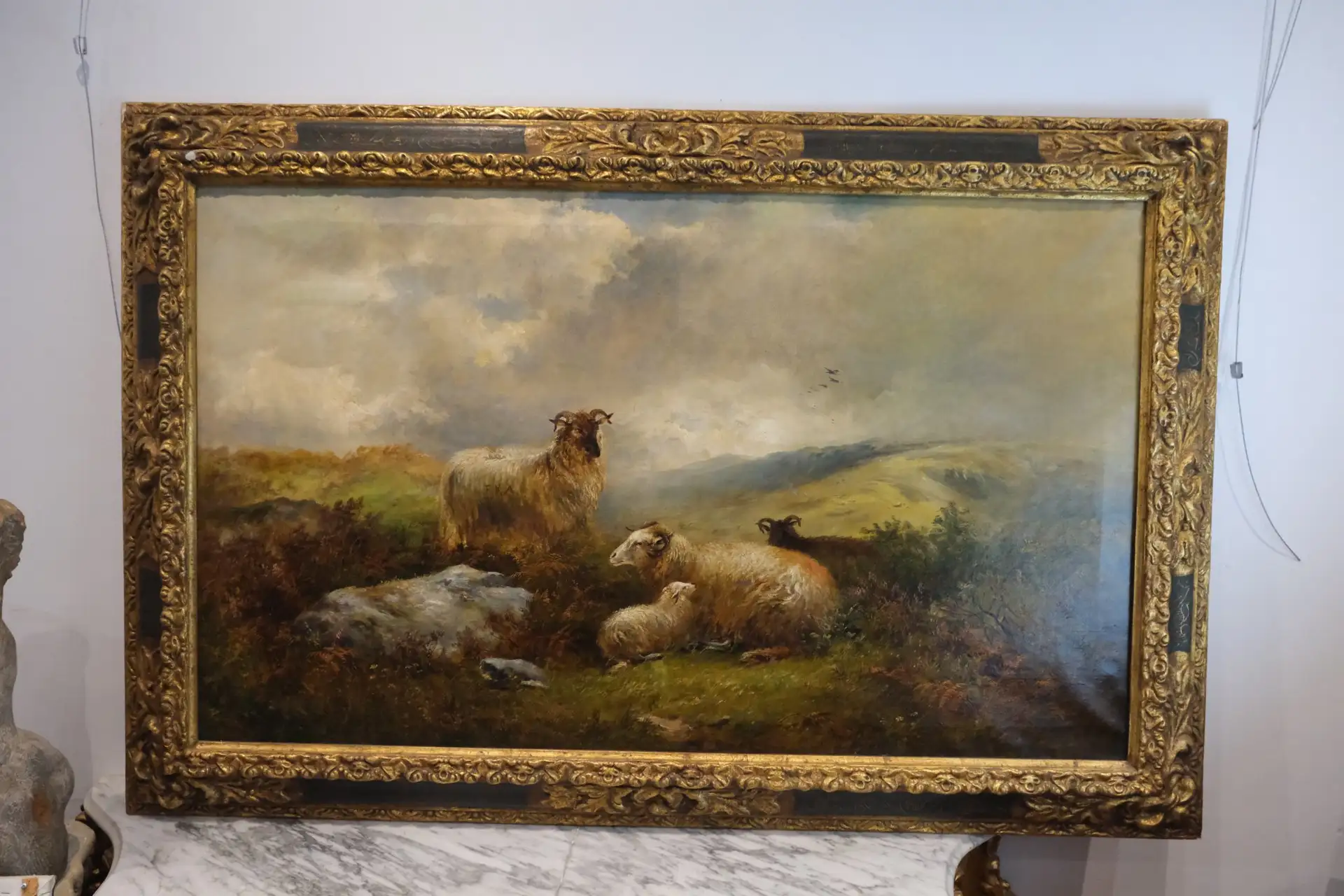
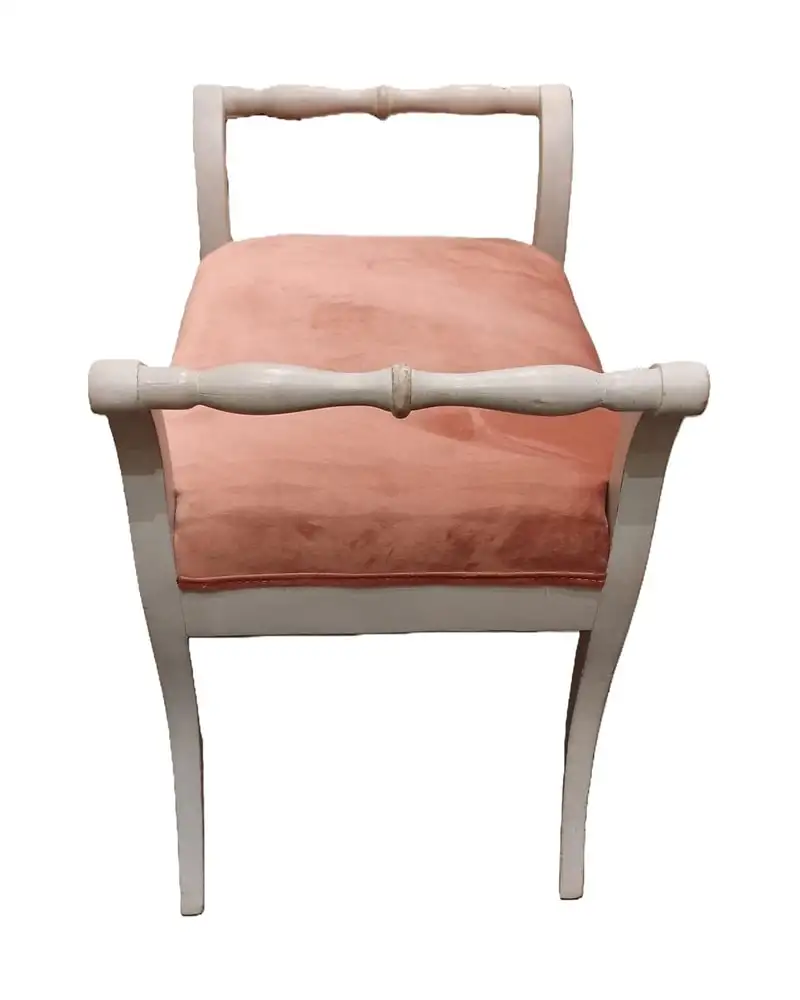
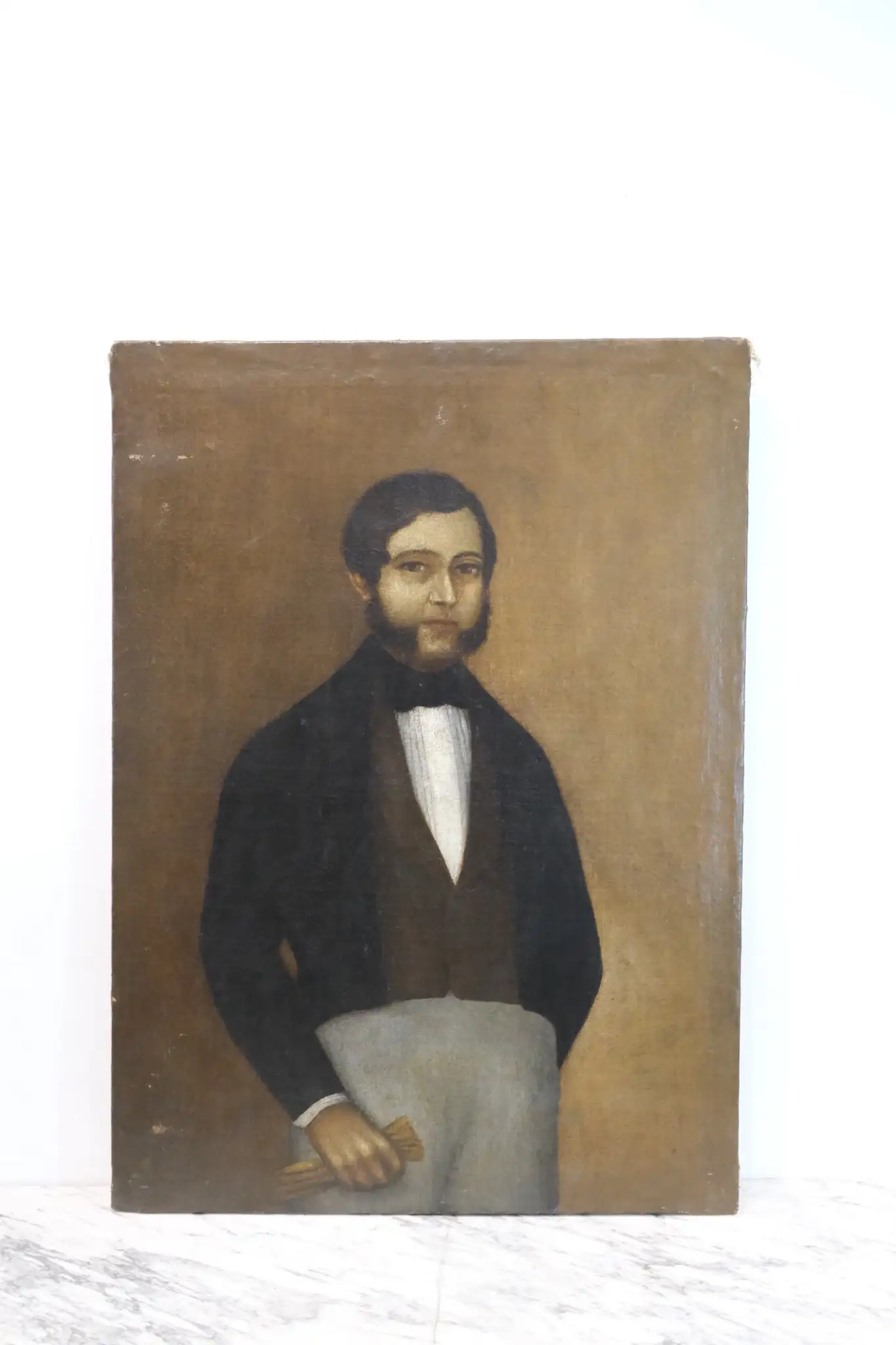
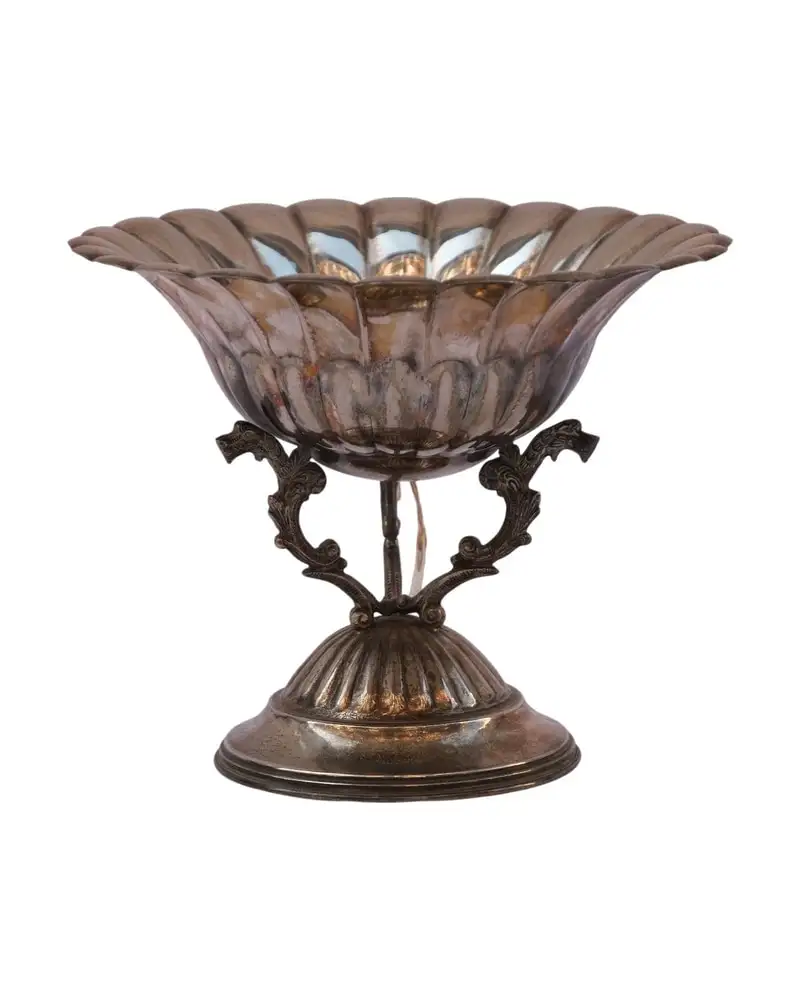
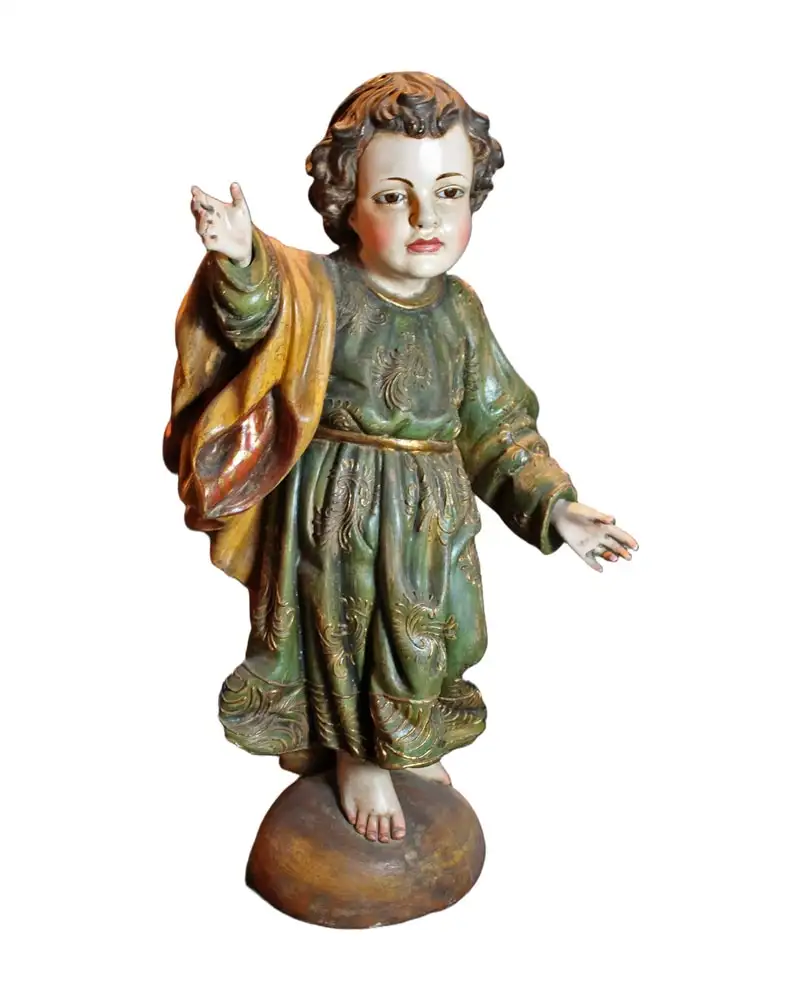
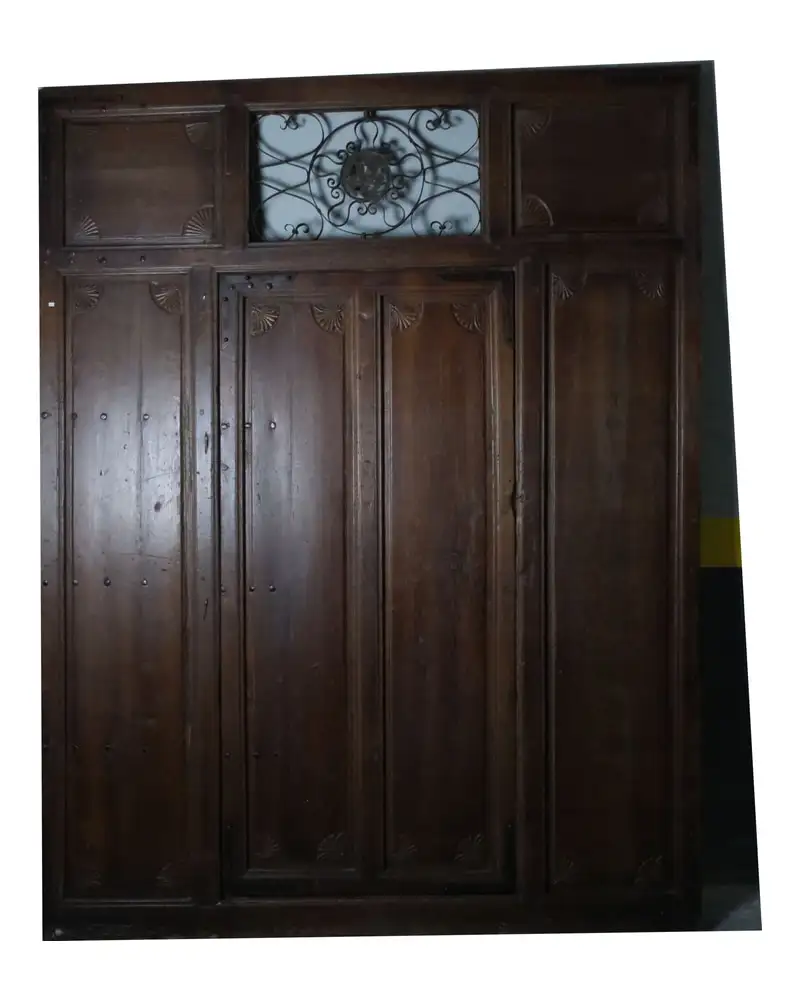
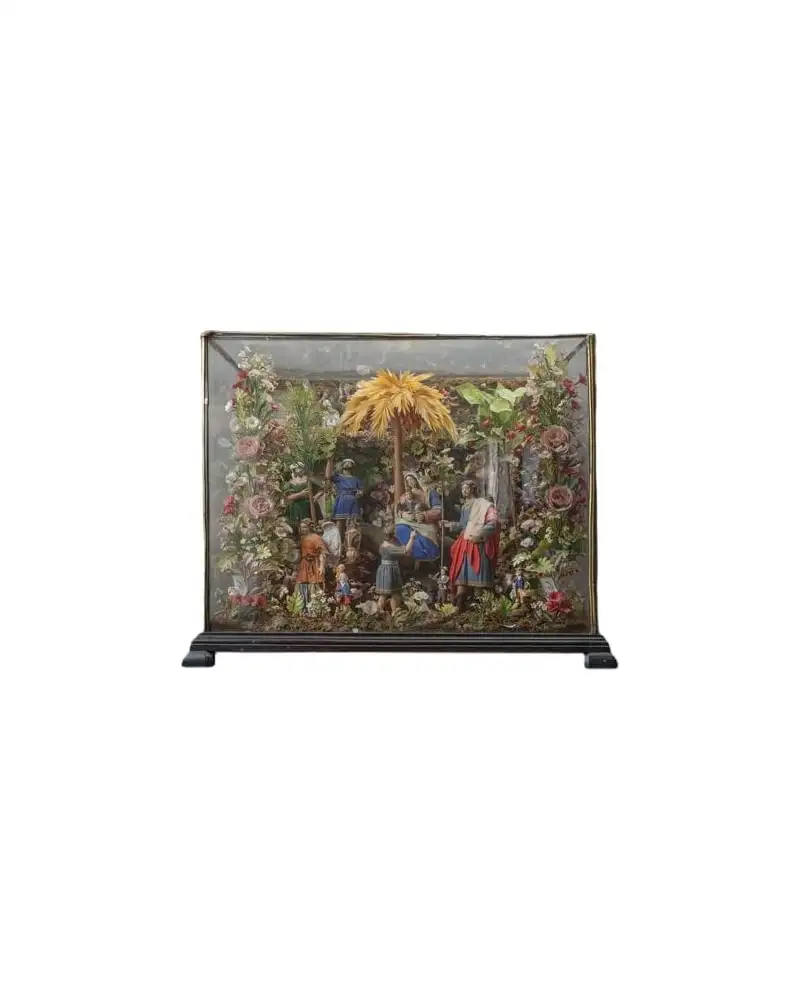
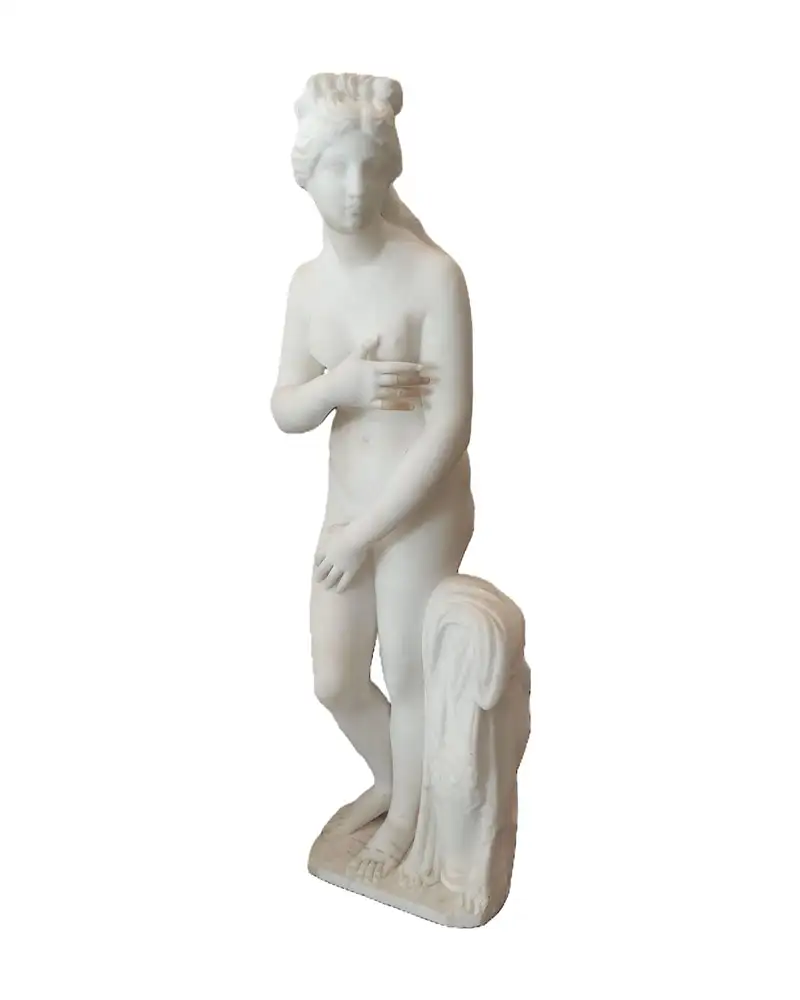
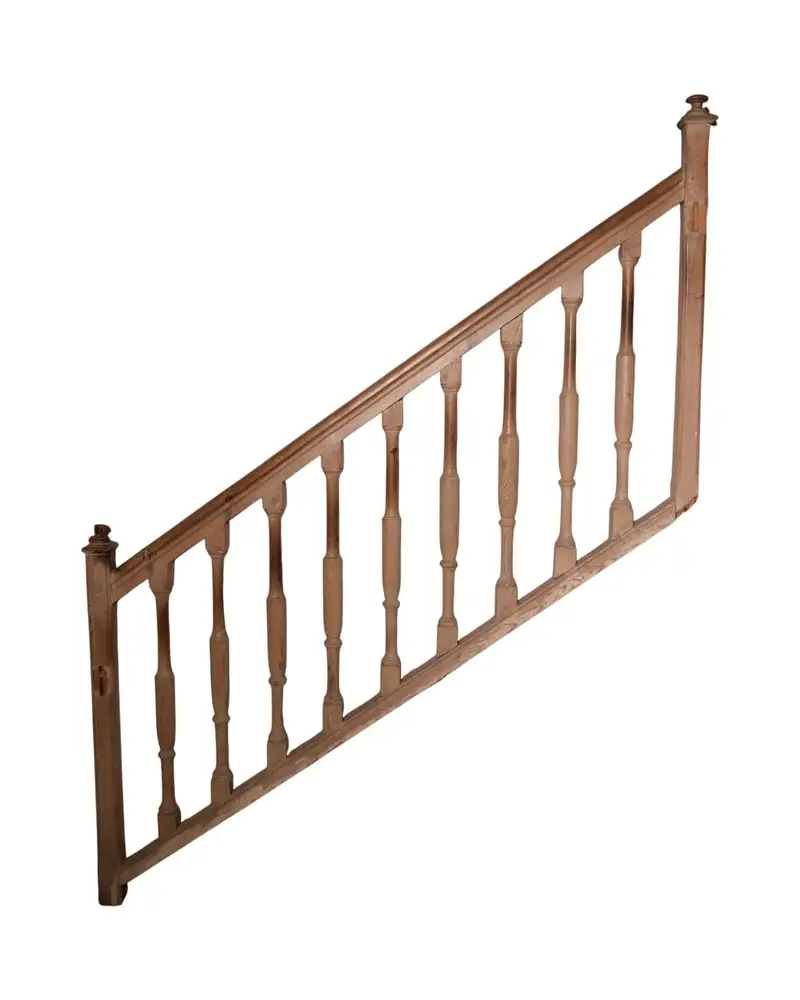
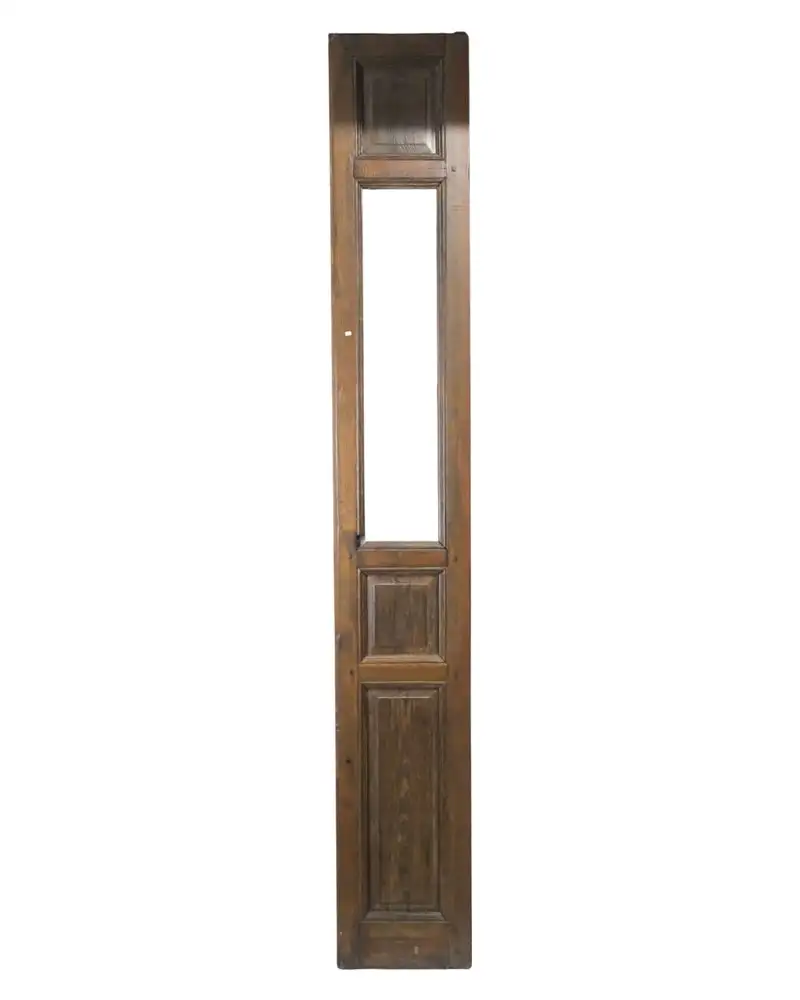
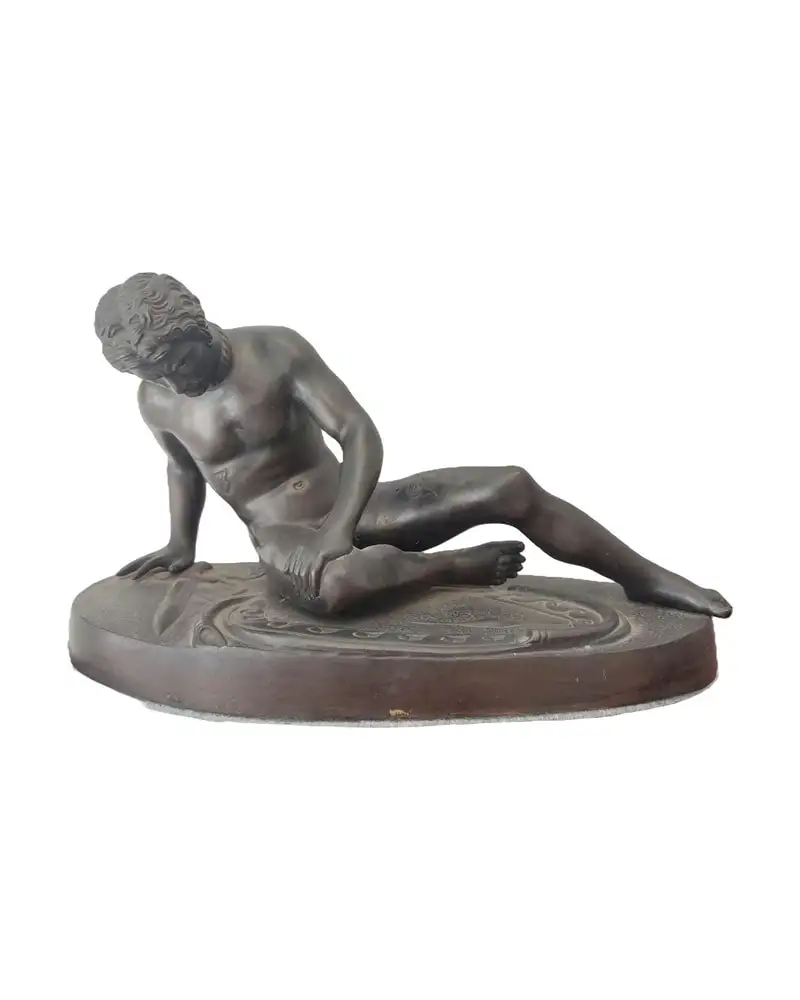
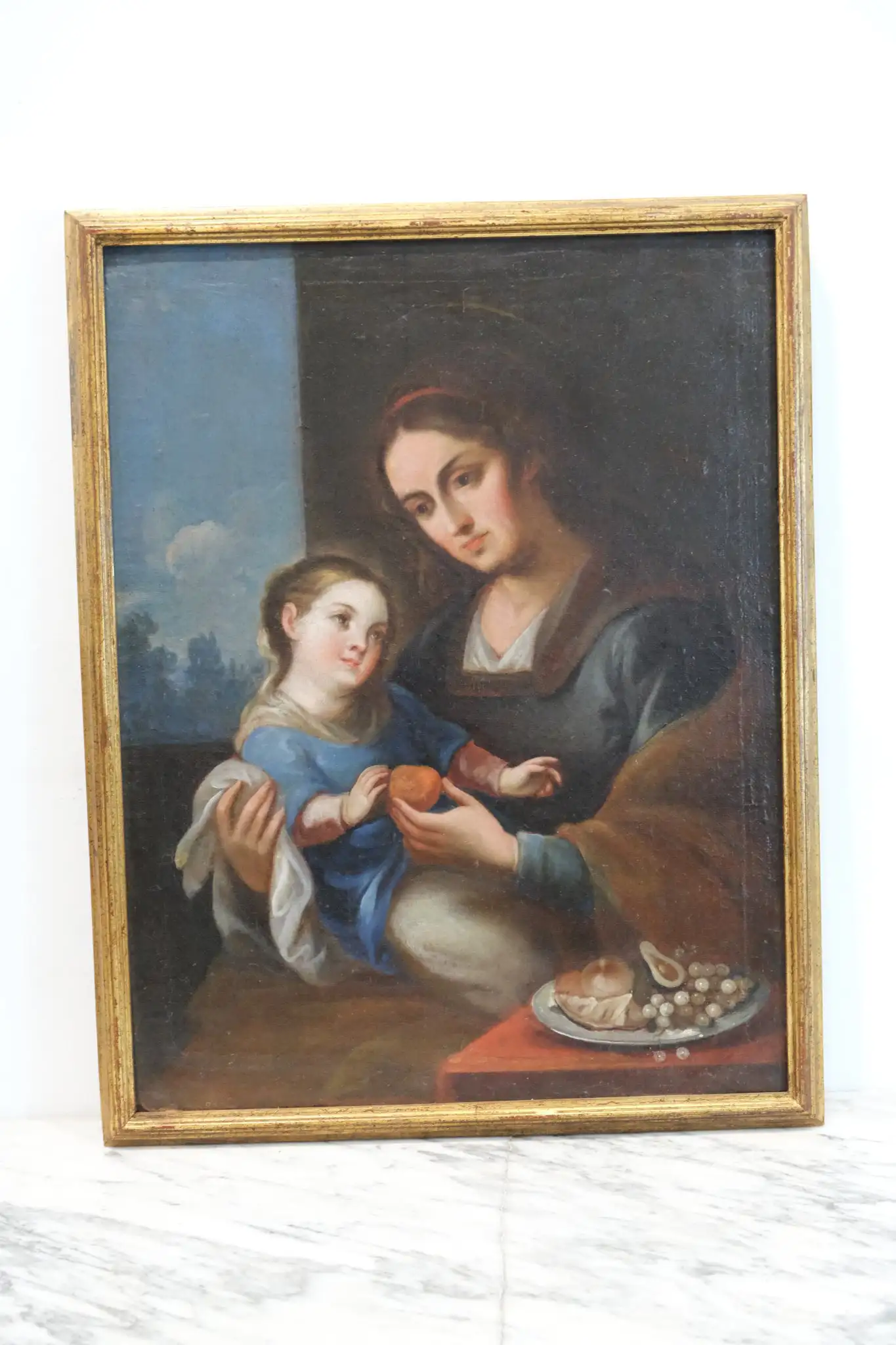
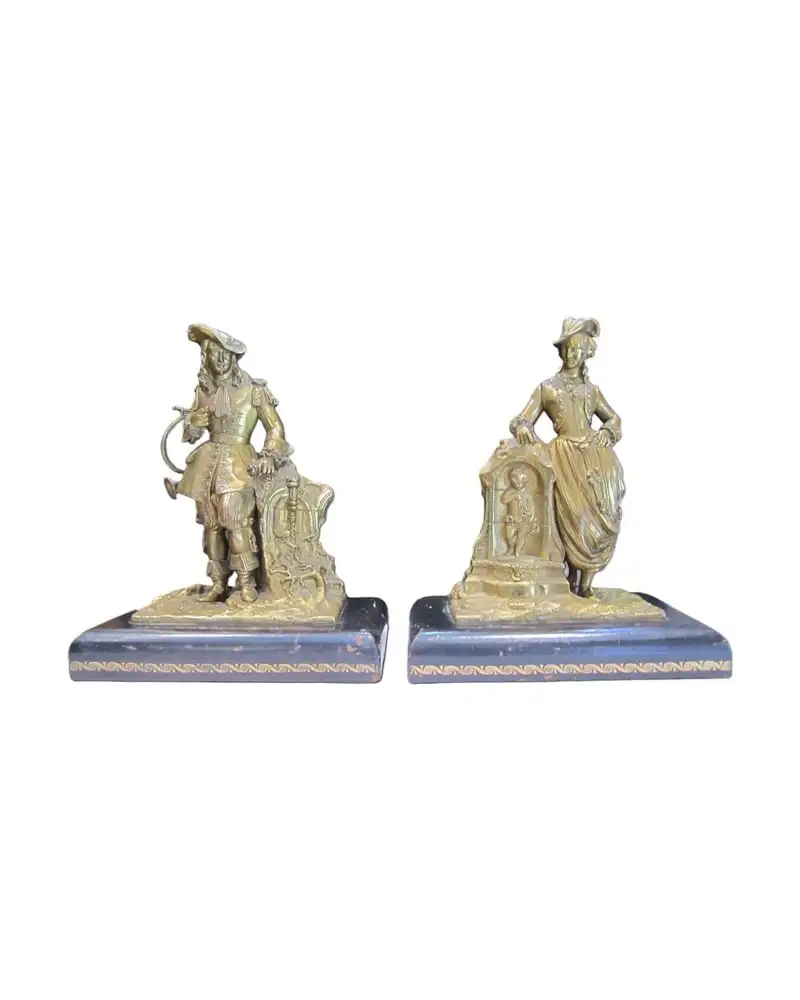

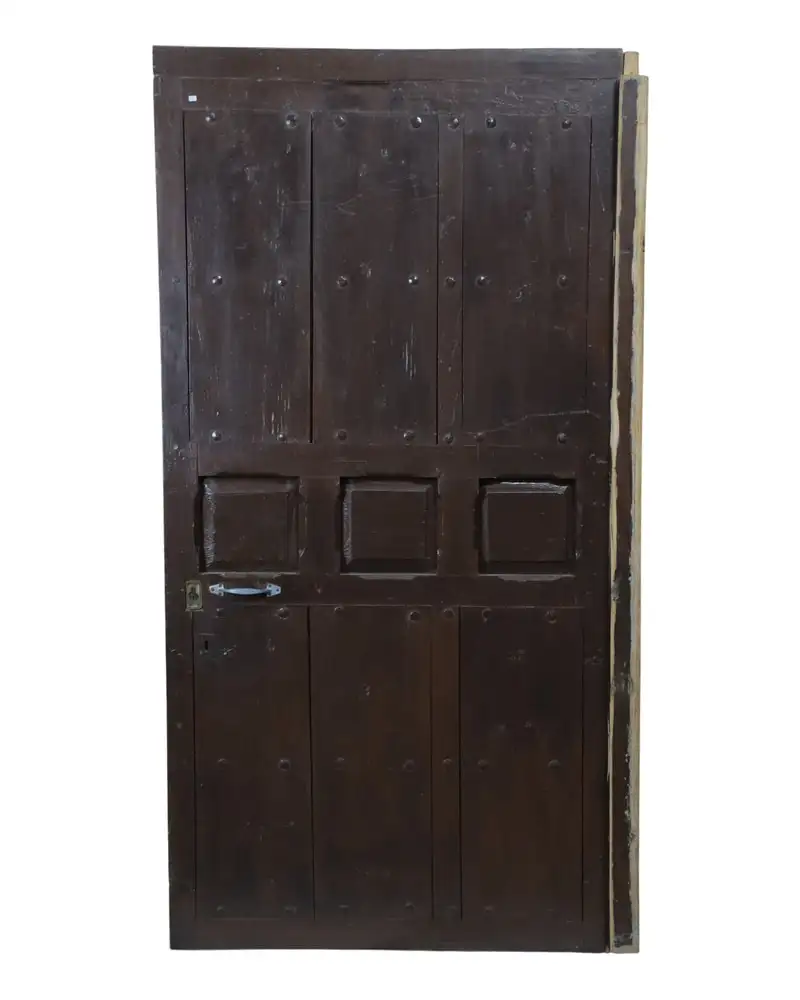
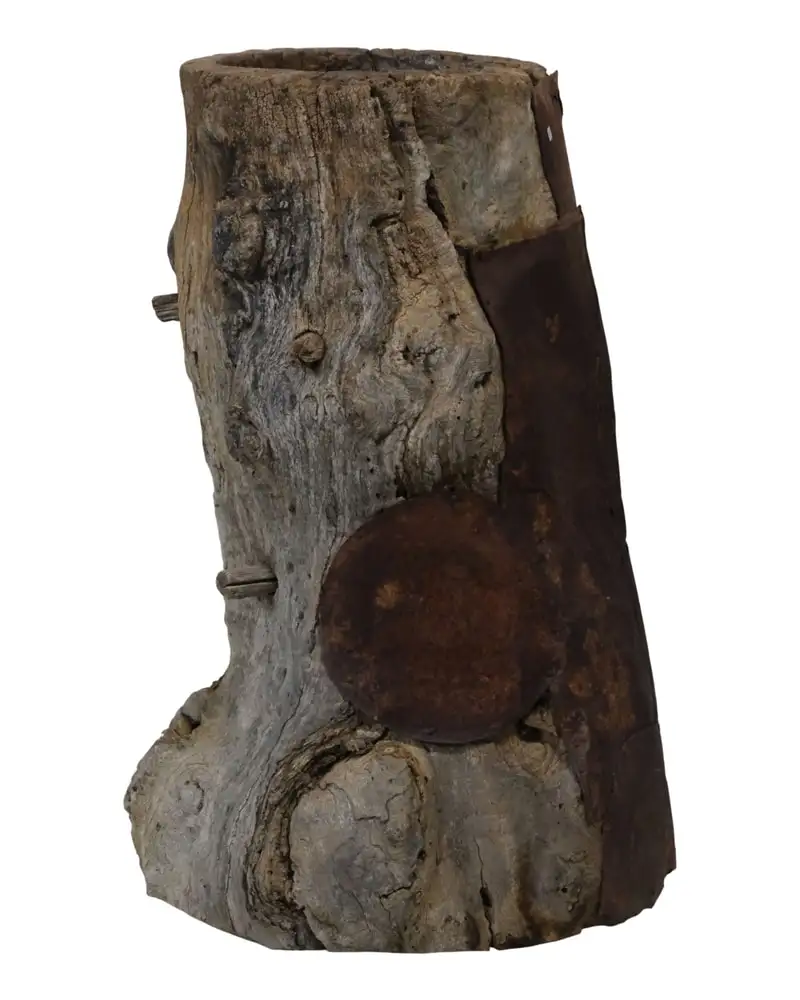
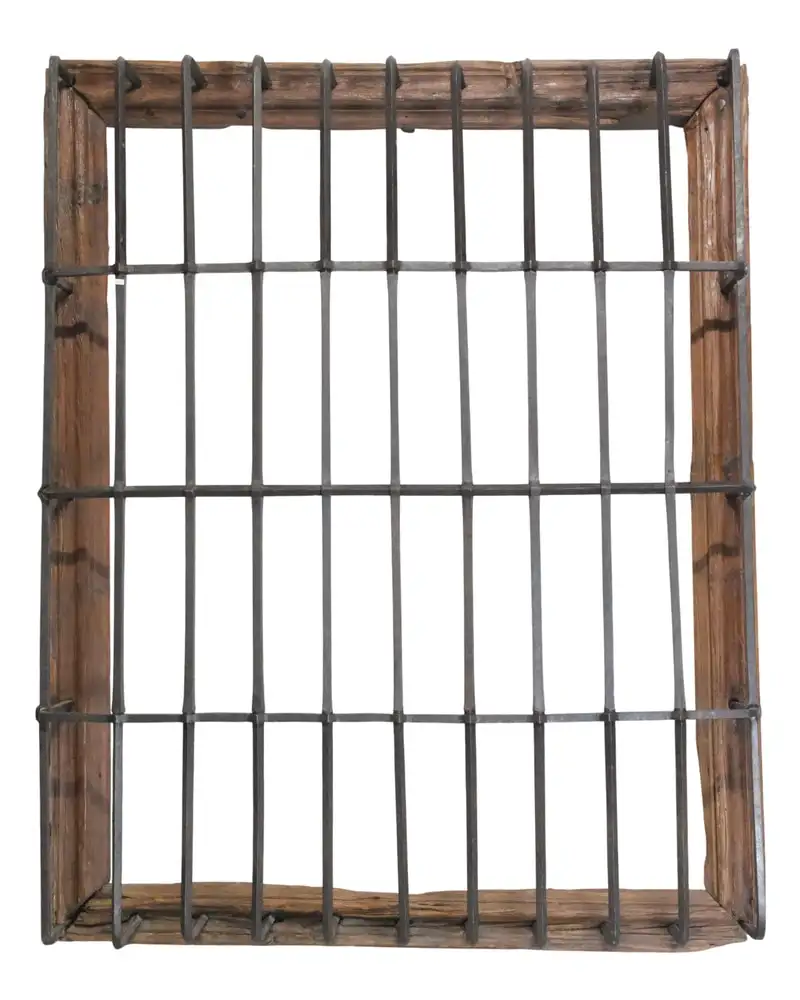
About this selection
19th-century antiques: pieces from professional dealers in Spain, listed on Antiga with a full description and direct contact with each shop. Listed prices range from 35 € to 18.000 €, with a median of 650 €. The middle half of the priced pieces falls between 245 € and 1.600 €. The final price depends on each piece's period, condition and provenance, and the dealer sets it. Some pieces do not show a price; in that case ask the shop directly.
Most common materials: mixed materials, wood and wrought iron. The categories with the most pieces are Art, Sculpture, Religious art and Lighting.
The pieces are offered by dealers with a shop in Madrid, Mataró, Granada and Sant Andreu de Llavaneres. Each listing leads to the dealer's shop with all of their listed pieces. Antiga's glossary explains terms that appear in this selection, linked below.
Antiga does not take part in the sale: it puts you in direct contact with the shop, which tells you about condition, measurements and delivery. If the date matters to you, ask the dealer about the provenance and marks that support it.
In the glossary:Gilding, Commode / Chest of drawers, Console table
By category
Also explore
- 18th-century antiques
- 20th-century antiques and art
- Louis XV style
- Louis XVI style
- Art Deco
- Isabelline style
- Victorian style
- Empire style
- Rustic Castilian antiques
- Antiques from the first half of the 20th century
- Antiques from the second half of the 20th century
- Antiques from the 17th century
- Antiques from the 16th century
- Antiques by period and style
- Antiques by material
- Antique dealers in Spain
Frequently asked questions
- 19th-century antiques: how much do they cost?
- Prices listed on Antiga range from 35 € to 18.000 €, with a median of 650 €. They depend on each piece's period, condition and provenance; each dealer sets their own.
- 19th-century antiques: which periods and materials are they?
- Most common materials: mixed materials, wood and wrought iron.
- 19th-century antiques: where are the shops?
- The pieces are offered by dealers with a shop in Madrid, Mataró, Granada and Sant Andreu de Llavaneres. Each listing leads to the dealer's shop with all of their listed pieces.
- 19th-century antiques: can I buy if I live far away?
- Yes. Message the dealer from the listing page; you agree delivery with the dealer, because Antiga does not arrange shipping. Pieces more than a hundred years old need an export permit to leave Spain.