
Restoration
How to clean an antique oil painting: what you can do at home and what you cannot
Dust, dirt and oxidised varnish are not treated in the same way. What cleaning you can do yourself without risk, why you should never use water, potato or household products, when you need a conservator-restorer and what to ask before commissioning the work.
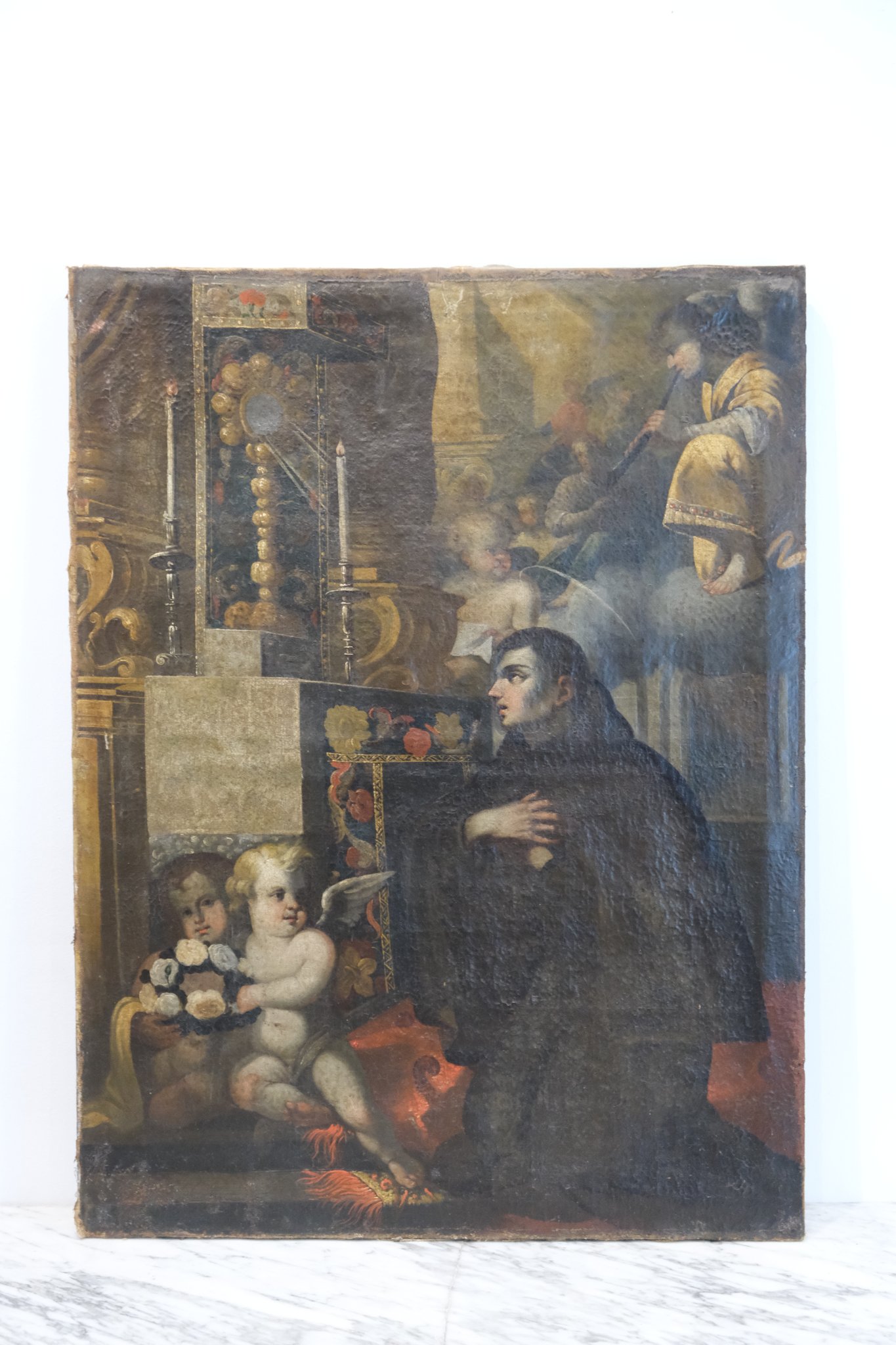
An antique oil painting that has spent decades in a sitting room with an open fire, in a kitchen or near smokers loses its life: the colours turn brownish, the sky yellows and the details disappear. It is tempting to try to clean it at home, and the internet is full of tricks. Most of them cause damage. This guide explains exactly what makes a painting dirty, what cleaning can be done without risk and what should always be left to a conservator-restorer.
What you are looking at: three different layers
- Dust: it settles on the surface and can be removed with care.
- Ingrained dirt: smoke, soot, cooking grease or nicotine, stuck to the varnish. Removing it already requires products and judgement.
- Oxidised varnish: almost all antique oil paintings were protected with a varnish that yellows and darkens over the years. Much of the “antique” tone of a painting lies in that varnish rather than in the paint. Removing it calls for solvents, tests and experience: it is a restoration treatment.
Before you touch it: check its condition
Place the painting in good light and look at the surface from the side, under raking light. If you see lifting flakes of paint, areas that are coming away, blisters or craquelure with raised edges, do not clean it at all: the slightest contact can pull off paint. The same applies if the canvas is torn, very slack or bulging. In those cases the first step is consolidation, and that is a job for a conservator-restorer.
What you can do at home
- Remove the dust with a soft brush, clean and made of natural hair, with the painting upright or slightly tilted, working from top to bottom without pressing.
- Clean the back, also with a brush, very gently removing the dust that has built up between the stretcher and the canvas.
- Check the hanging: secure screw eyes, wire or cord in good condition and a little space from the wall so that air can circulate.
- Clean the frame separately, without any product touching the canvas. If it is gilded, follow the advice in our guide to restoring an antique gilded frame.
Do not use feather dusters that can snag, nor cloths or microfibres, which can drag away a loose flake without your noticing.
What you must never do
- Water or damp cloths: the canvas and the ground react to moisture. Water can shrink the fabric, soften the glue in the ground and leave the varnish whitish.
- Potato, onion, bread or milk: these are very widespread tricks. They leave organic residues on the surface and, when rubbed, can drag away paint and varnish.
- Household cleaners, alcohol or nail-varnish remover: they dissolve varnishes and, in some cases, the paint itself. The damage is irreversible.
- Oils or varnishes “to bring up the shine”: they darken over time, trap dirt and complicate any future restoration.
- Hammering the stretcher keys to tighten the canvas: if it needs doing, it should be done by a professional.
When you need a conservator-restorer
When the problem goes beyond dust: very yellow or whitish varnish (in Spanish, restorers call this varnish «pasmado»; in English it is known as “blanching” or “bloom”), ingrained dirt, lifting paint, tears, old overpainting or a slack canvas. A qualified conservator-restorer will first carry out small cleaning tests to choose the method, document the condition and use reversible materials, so that the treatment can be undone in the future without harming the work.
Before commissioning the work, ask for a written quote with the diagnosis, the proposed treatment and “before” photographs. If the painting needs relining, that is, reinforcing the original canvas with a new fabric at the back, the conservator-restorer should explain it. It is a common treatment for antique oil paintings: several of those we have listed, such as this eighteenth-century Saint Anthony of Padua or this nineteenth-century still life, have been relined, and the listing says so.
If you are going to buy a dirty painting
An oil painting darkened by its varnish can be a good buy, because many buyers cannot see what lies beneath. But it is wise to work out the cost of cleaning before deciding, and to know what is really there:
- Ask for photographs under raking light to see lifting and deformation.
- Ask whether the painting has been restored, relined or cleaned, and when.
- If it is an important piece, ask for a photograph under ultraviolet light: overpainting and retouching usually show up as dark patches on the old varnish, which gives off a greenish glow.
- Look at the back: stretcher, canvas, labels and stamps. We explain this in antique oil paintings: how to identify originals.
The best care for an antique oil painting is the kind you do not see: good light, away from direct sun, the fireplace and radiators, and a soft brush from time to time.
Frequently asked questions
Can an oil painting be cleaned with soap and water?
Not at home. Moisture can damage the canvas, the ground and the varnish. Conservator-restorers use very carefully controlled aqueous solutions, and only after carrying out tests.
Why is my antique painting so yellow?
Almost always because of oxidised varnish and the dirt that has built up on top of it. The paint underneath usually retains much brighter colours.
Does cleaning a painting reduce its value?
A well-executed professional cleaning usually improves its legibility and its value. An aggressive cleaning at home can reduce it considerably and irreversibly.
Antique paintings in the catalogue
Oils on canvas, panel and copper from the seventeenth to the nineteenth century, with their condition and restorations stated in the listing when the seller knows them.
View antique paintings →Explore the catalogue
Related pieces
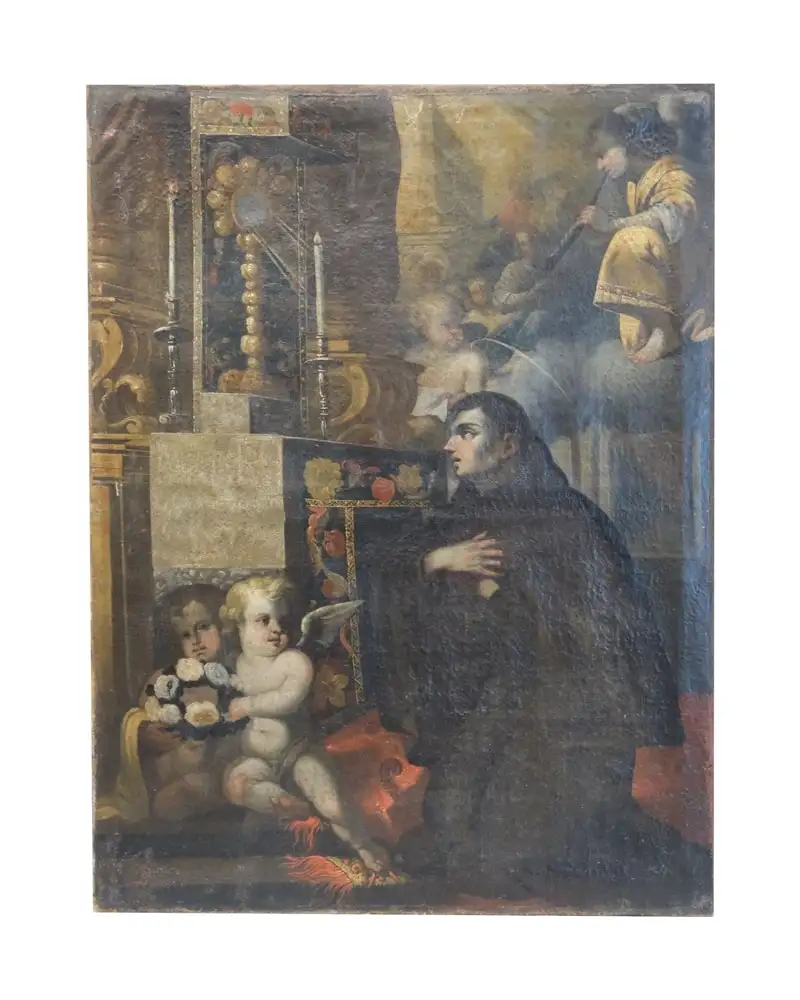
Religious Painting of Saint Anthony of Padua from the 18th Century
Art & Paintings
18th Century · Spain
Oil on canvas
El Rincón de Viriato · Madrid
1.500 €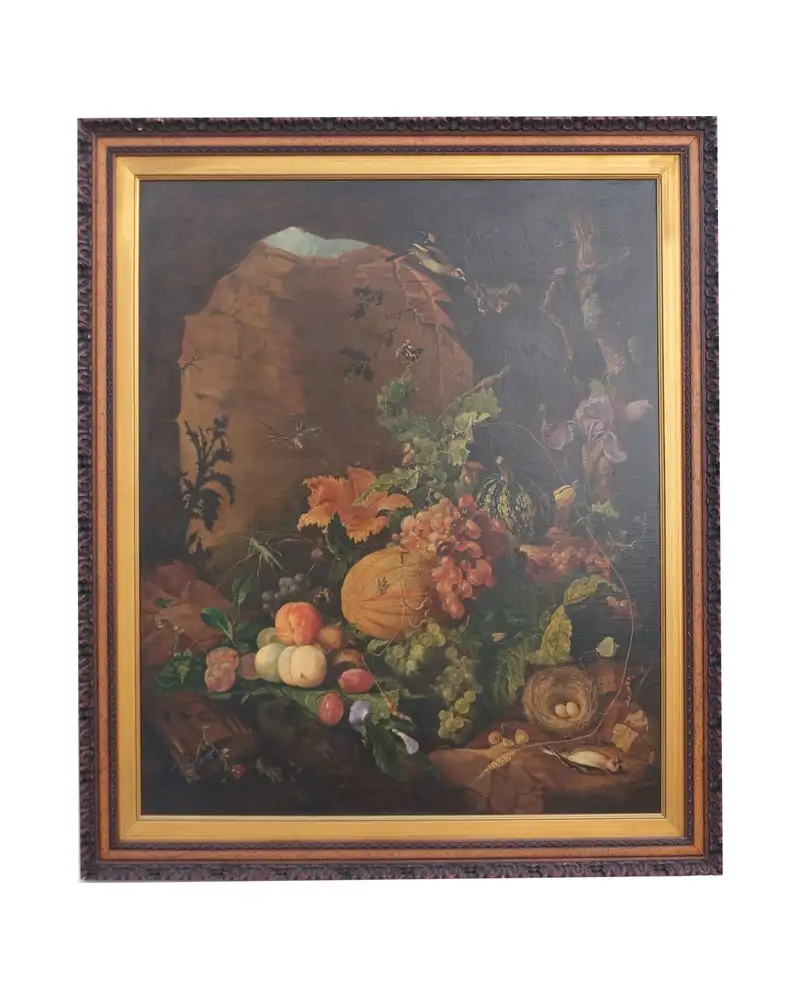
19th Century Still Life
Art & Paintings
19th Century
Oil on canvas, wooden frame
Mercedes Cabeza de Vaca · Madrid
2.500 €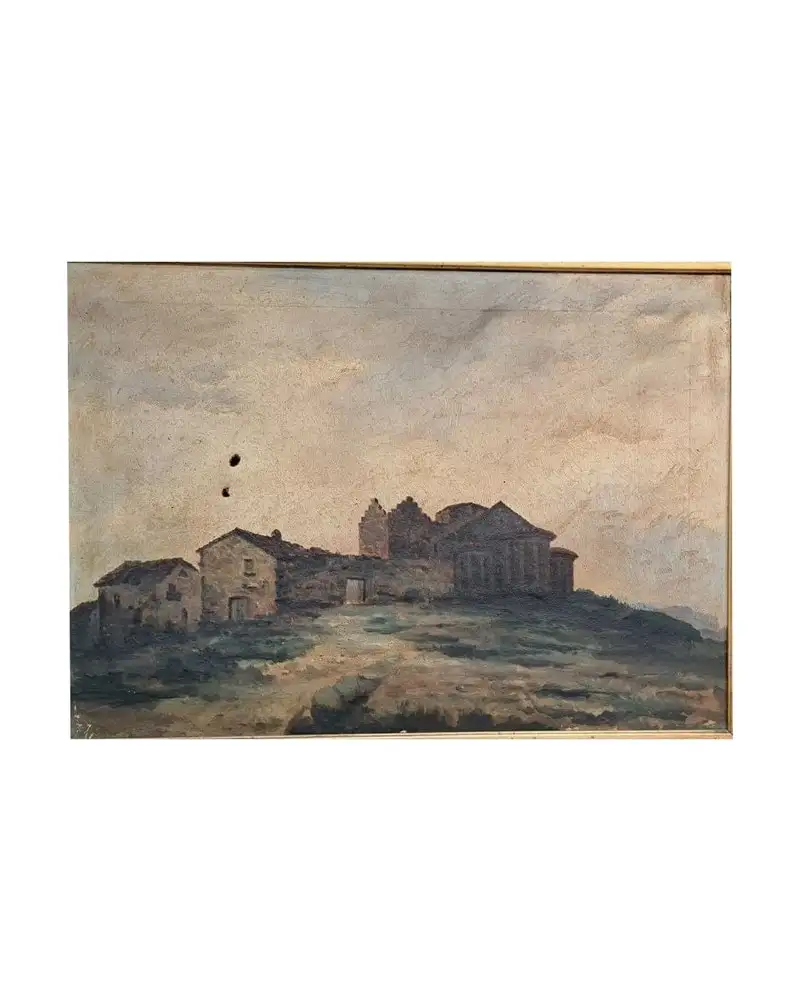
Oil on canvas, unsigned, large size, 19th century
Art & Paintings
19th Century
Oil
Antigüedades Calderón · Mataró
250 €
Hunting Landscape, Oil on Panel, 17th-18th Century
Art & Paintings
17th Century · Spain
Oil on panel
Antique Arts · Madrid
1.800 €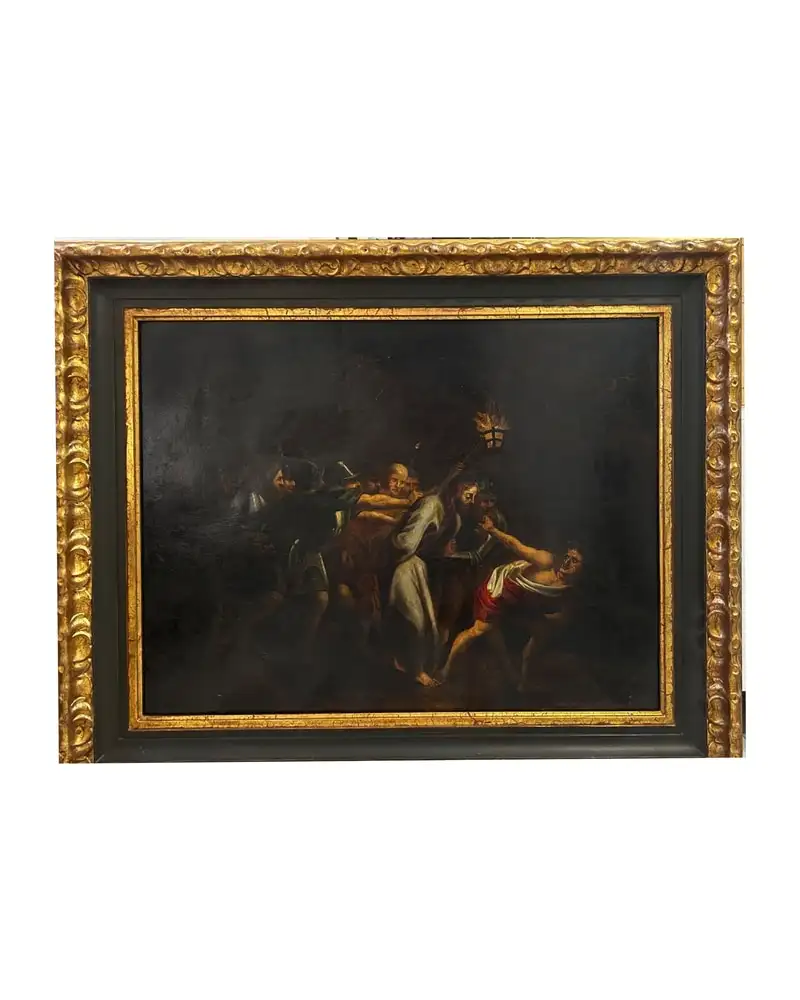
Oil on Copper, Circle of Frans Francken II
Art & Paintings
17th Century · Amberes
Oil on copper
Antique Arts · Madrid
4.500 €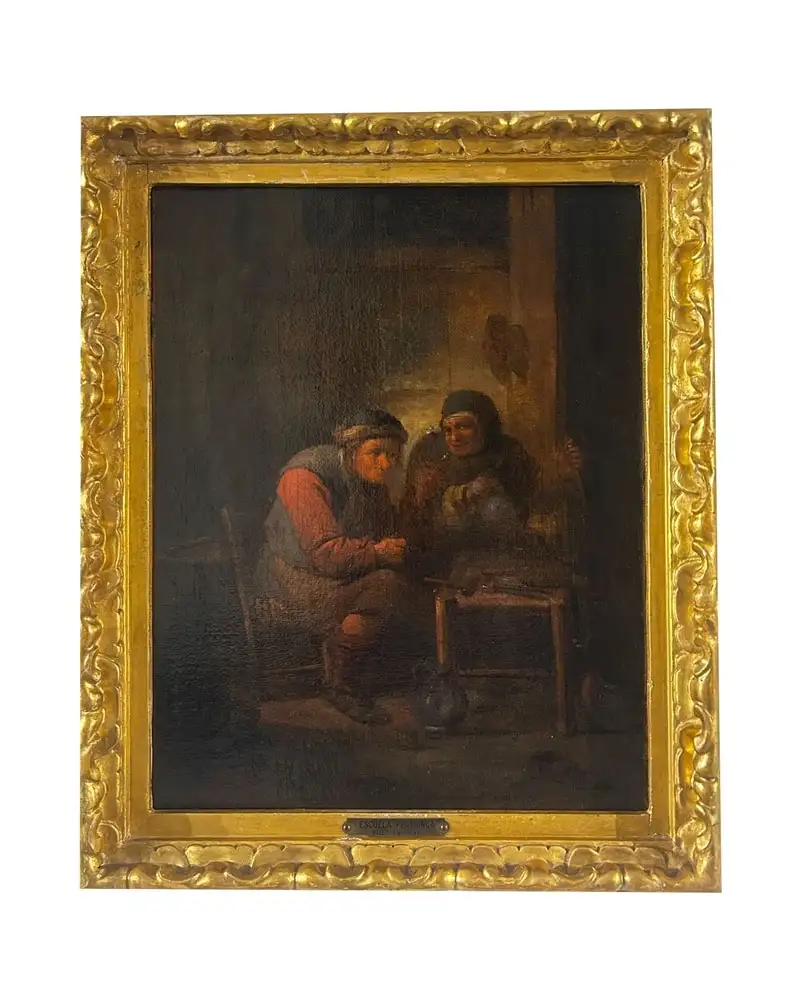
Oil on Canvas Dutch School of the 17th Century
Art & Paintings
17th Century · Spain
Oil on canvas
Antique Arts · Madrid
2.000 €