
History
Spanish colonial furniture: history and collecting
The history of Spanish colonial furniture, from vargueños and friar’s chairs to the mestizo pieces of the viceroyalties. How to tell Spanish from New Spanish work, and what to look for when collecting.
Few fields of antique collecting are as fascinating (or as full of traps) as Spanish colonial furniture. It is a world that runs from the Mudéjar writing cabinets of Castile to the polychrome wardrobes of Oaxaca, by way of Philippine cabinets inlaid with ivory. It is an enormous territory, and reliable information is scarce.
What draws us most to colonial furniture is precisely its hybrid nature. It is not "Spanish" furniture in the strict sense, nor is it indigenous. It is something new, born of the encounter (sometimes violent, always complex) between two worlds. And that tension can be read in the wood, in the carving, in the decorative motifs.
The roots: Spanish furniture of the sixteenth and seventeenth centuries
To understand colonial furniture you have to start in the Peninsula. Spanish furniture of the sixteenth and seventeenth centuries has a very strong personality, quite different from what was made in the rest of Europe. Three elements define it: Mudéjar (Islamic) influence, the use of walnut and leather, and a structural sobriety that contrasts with Flemish or Italian opulence of the same period.
The most emblematic piece is the vargueño (also spelt bargueño): a portable writing cabinet with a fall front, set on a stand or table. The finest sixteenth- and seventeenth-century vargueños are true works of art. Inside is a miniature architecture of small drawers and secret compartments, often inlaid with bone, ivory or Mudéjar marquetry. The Museo Nacional de Artes Decorativas in Madrid has an exceptional collection that deserves a visit of its own.
Another key piece is the friar’s chair (silla frailera): a walnut frame with turned stretchers, and a seat and back of leather studded with brass nails. The design was born in convents (hence the name) but quickly spread to civil life. The frailera is the piece the colonisers took to the Americas, and there it was transformed.
Crossing the Atlantic: adaptation and mestizaje
When Spanish cabinetmakers reached the New World, they found two things that changed everything: new woods and indigenous craftsmen with their own traditions. Tropical cedar, rosewood, American mahogany, none of these woods were part of the Castilian cabinetmaker’s vocabulary. And local craftsmen, trained in convent workshops but heirs to pre-Hispanic traditions, began to introduce motifs, techniques and sensibilities that were not European.
The result is what specialists call "mestizo furniture": pieces that follow Spanish types (vargueño, frailera, chest) but incorporate elements that betray their American origin. Carving with tropical flora, polychromy reminiscent of the codices, lacquer in the manner of Pátzcuaro or Olinalá, mother-of-pearl inlay in place of European bone or ivory.
How to tell Spanish from New Spanish
This is the question every collector asks, and the honest answer is that it is not always easy. But there are clues:
- The wood: if it is walnut, it is almost certainly peninsular. If it is red cedar, tropical mahogany or a local wood you do not recognise, it is probably American. Mexican vargueños tend to use cedar as the carcass wood, unlike Spanish ones, which use walnut or pine.
- The carving: European motifs tend to be symmetrical and classicising, with acanthus, volutes and grotesques. Colonial motifs often include tropical flowers, angels with mestizo features, jaguars, or forms that combine European and indigenous elements in a way that is slightly "incorrect" by academic standards.
- The proportions: colonial furniture tends to be somewhat heavier and sturdier than its peninsular equivalent. The joinery is sometimes rougher, not for lack of skill but because of different building traditions.
- The metalwork: colonial fittings are usually larger and more decorative than peninsular ones. Locks and escutcheons tend to be more elaborate and are treated as a prominent decorative feature.
The centres of production
Not all colonial furniture is alike. Mexico, Peru, Colombia and the Philippines developed distinct traditions. Mexico City and Puebla were the great centres of New Spain, with workshops organised in guilds that followed very strict ordinances. In the Viceroyalty of Peru, furniture of great richness was made, sometimes with silver mounts, reflecting, of course, the nearness of the Potosí mines.
The Philippines are a separate and fascinating case. Colonial Philippine furniture combines Spanish, Chinese and local influences. Philippine cabinets inlaid with ivory or bone on tropical woods are pieces of exceptional beauty.
Collecting today: market and precautions
The market for Spanish colonial furniture is interesting for one reason: it is still relatively uninflated compared with French or English furniture of the same period. As a very general guide, a good seventeenth-century Spanish vargueño can be found for between 3,000 and 15,000 euros. An eighteenth-century Mexican colonial vargueño, between 2,000 and 8,000 euros. Friar’s chairs range from 500 to 2,500 euros depending on age and condition.
Now the precautions. Colonial furniture is one of the fields where the most fakes circulate. We have seen "sixteenth-century" vargueños that were twentieth-century Mexican fabrications, made from old wood and fittings bought at antique markets. The key, as always, is to examine the joints, the inner patina (where nobody cleans) and the consistency of all the elements.
A detail we always look at: on genuine colonial pieces, locks and fittings usually show small hand-made irregularities in how they are mounted. Modern forgers, paradoxically, tend to be too precise.
If you want to go deeper, Grace Hardendorff Burr’s Hispanic Furniture is still an essential reference decades later. And a visit to the Museo Nacional de Artes Decorativas in Madrid or the Hispanic Society in New York is worth a hundred books.
References
- Burr, G. H. (1964). Hispanic Furniture: From the Fifteenth Through the Eighteenth Century. New York: Archive Press.
- Aguiló Alonso, M. P. (1993). El mueble en España, siglos XVI-XVII. Madrid: CSIC / Antiquaria.
- Museo Nacional de Artes Decorativas, Madrid. cultura.gob.es/mnad.
- Hispanic Society of America, New York. hispanicsociety.org.
Spanish antique furniture at Antiga
Vargueños, friar’s chairs, chests and walnut tables from dealers across Spain, brought together in one collection.
See the collection →Tell me about new pieces
Once a week, the pieces dealers have just published. Unsubscribe with one click.
Pieces of this kind
There are no published pieces of this exact kind right now. Here are pieces from the closest category.
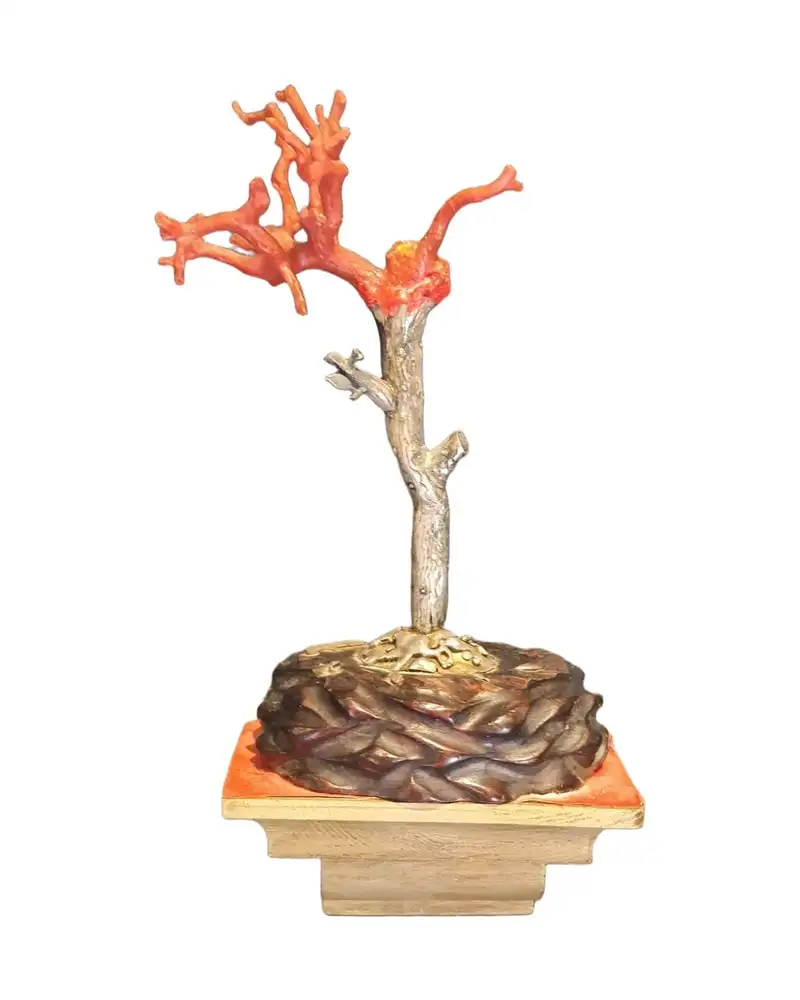
Rama de Coral, S.XX
Juno Arte S.l · Granada
150 €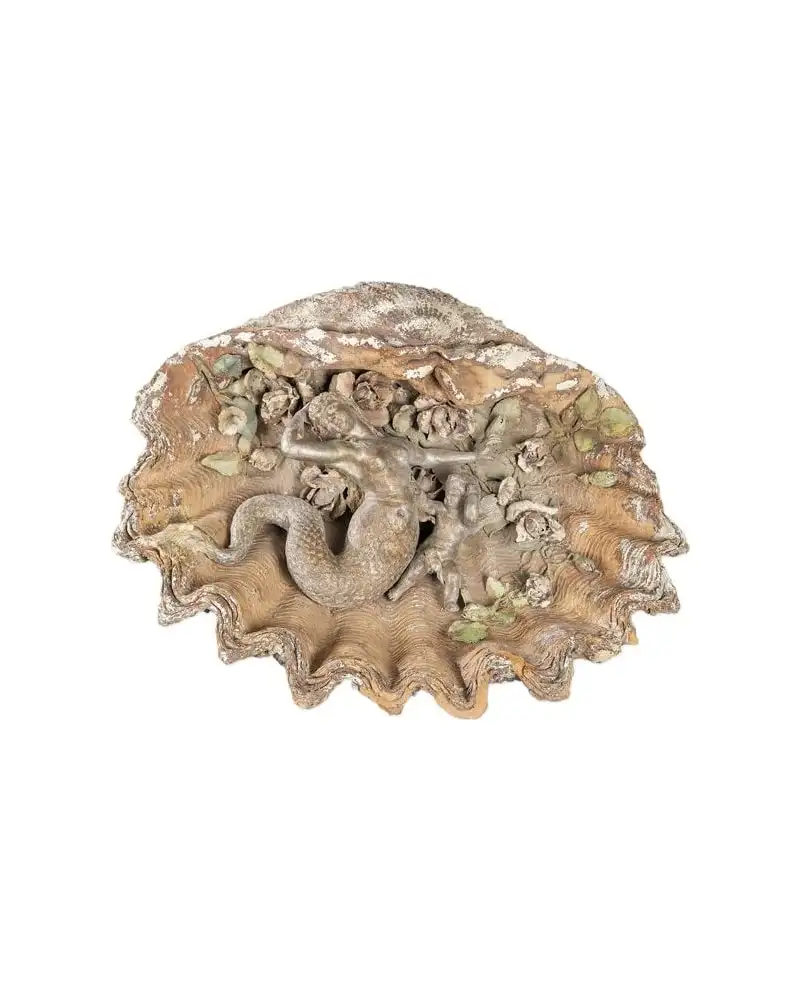
Concha con Sirena, S.XIX
Juno Arte S.l · Granada
600 €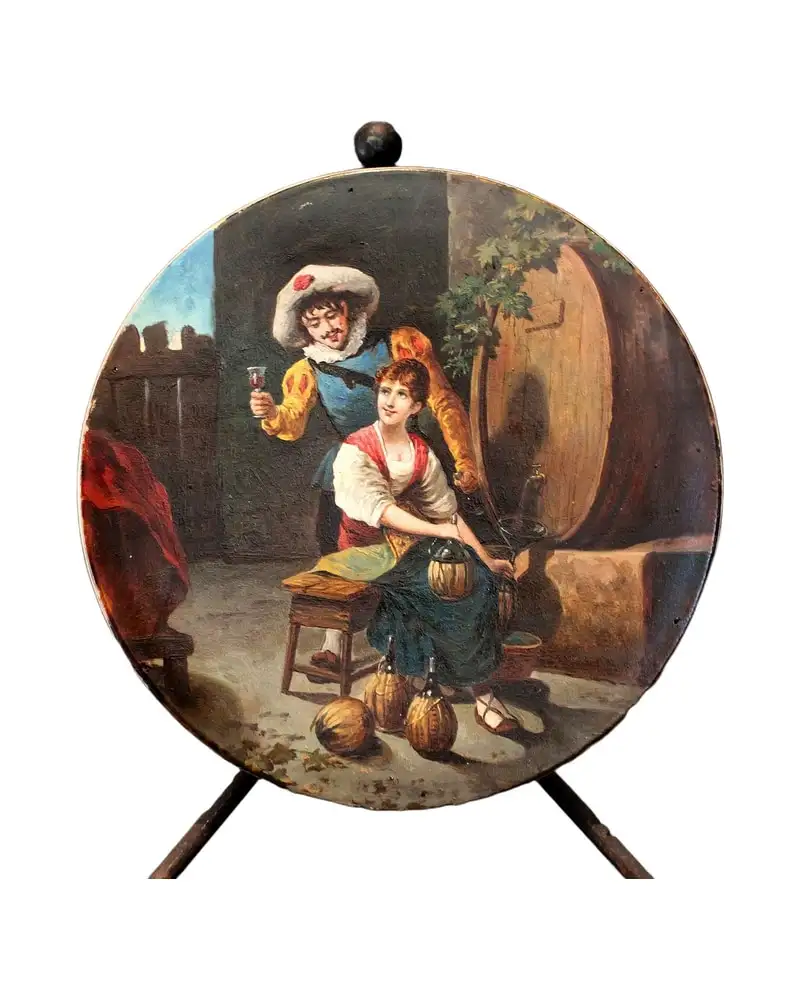
Pandereta pintada en biscuit con motivos de Paises Bajos, S. XIX
Juno Arte S.l · Granada
600 €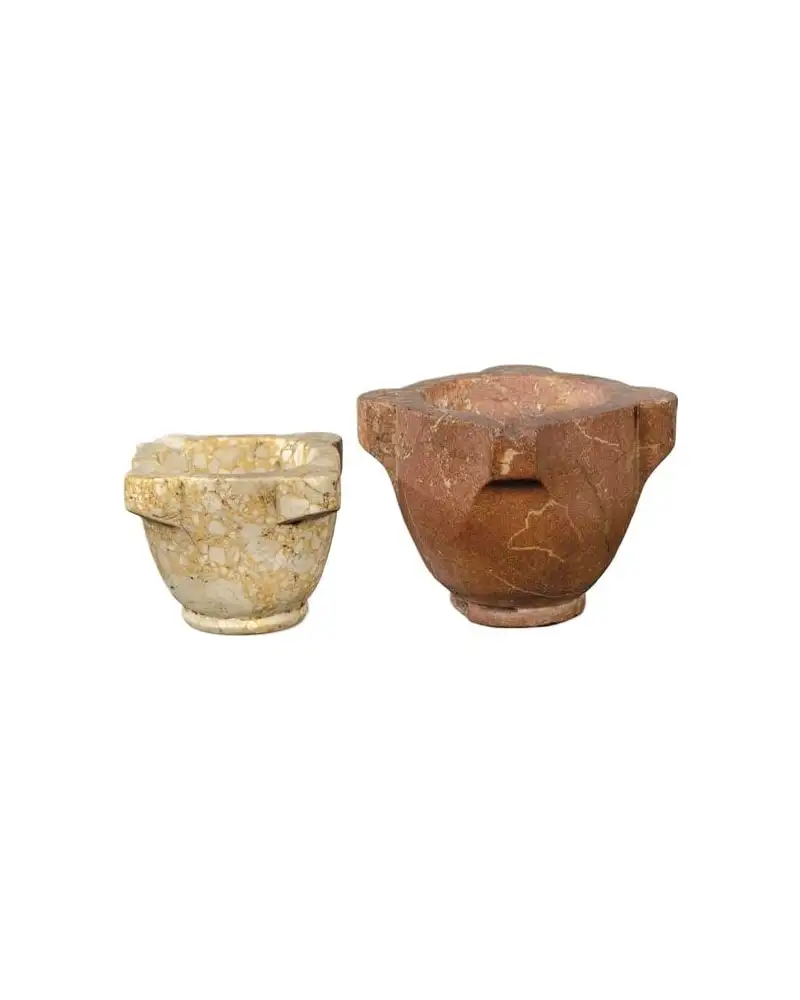
2 Morteros de mármol, S. XIX
Juno Arte S.l · Granada
250 €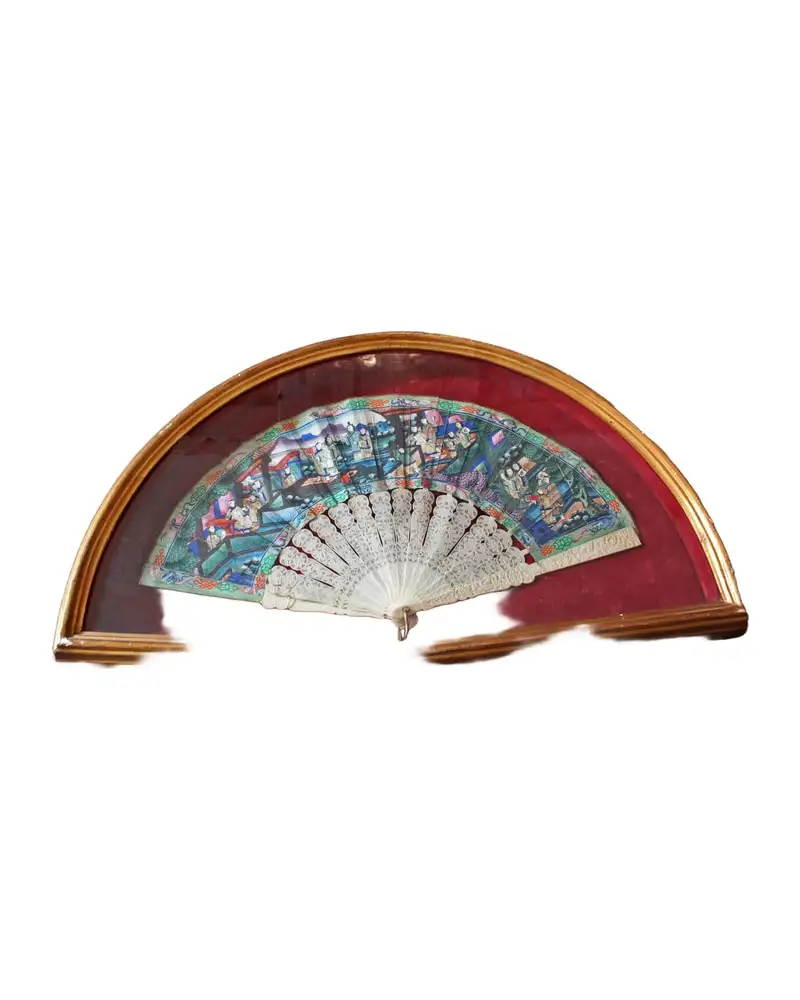
Abanico Chino, en marfil y papel, S.XIX
Juno Arte S.l · Granada
450 €
Cuchara antigua de madera
Zumadia Antigüedades · Iruñela
35 €
Portaretratos antiguo
Zumadia Antigüedades · Iruñela
60 €
Mortero antiguo de madera
Zumadia Antigüedades · Iruñela
150 €