
Ceramics
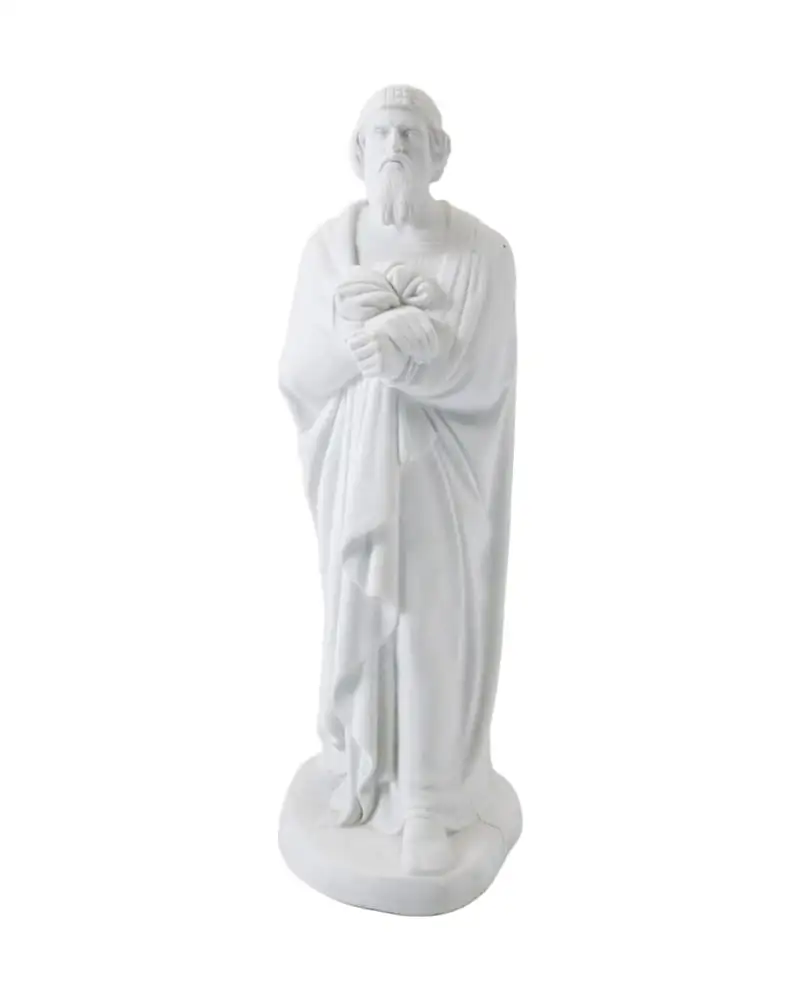
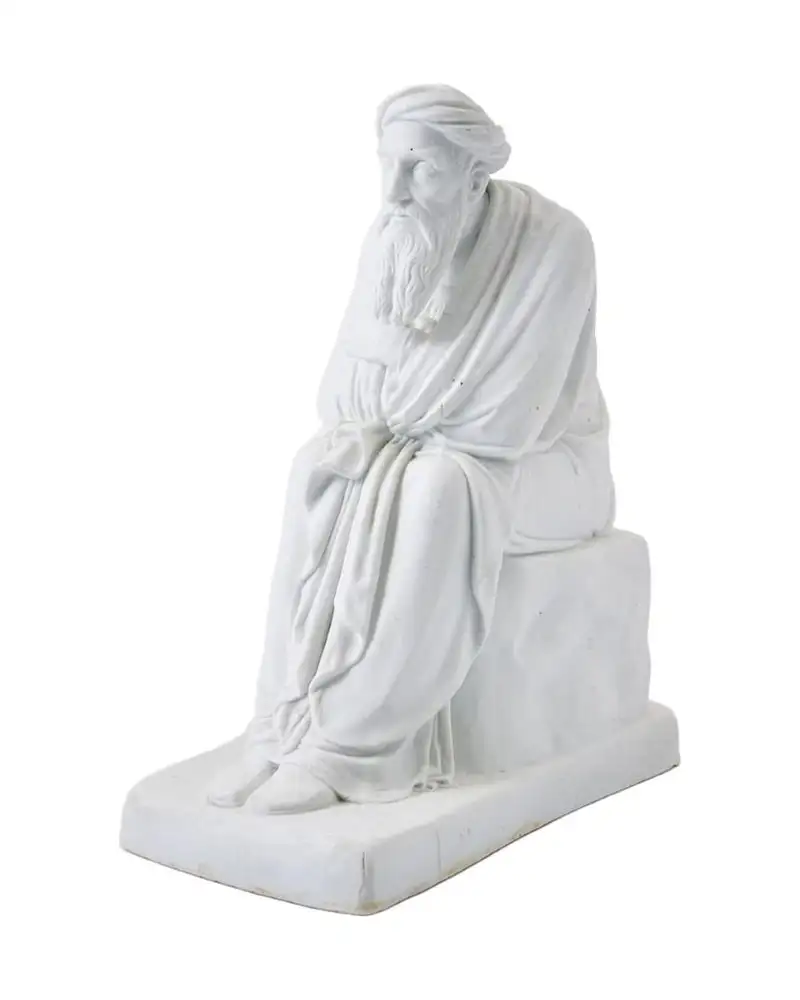
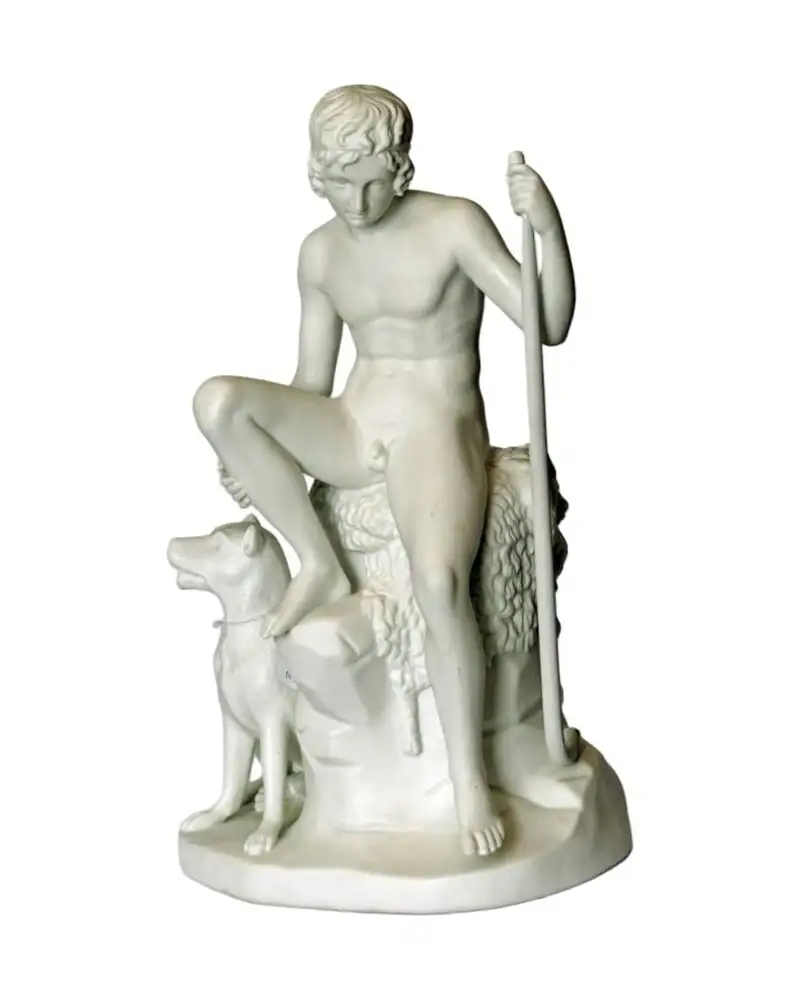
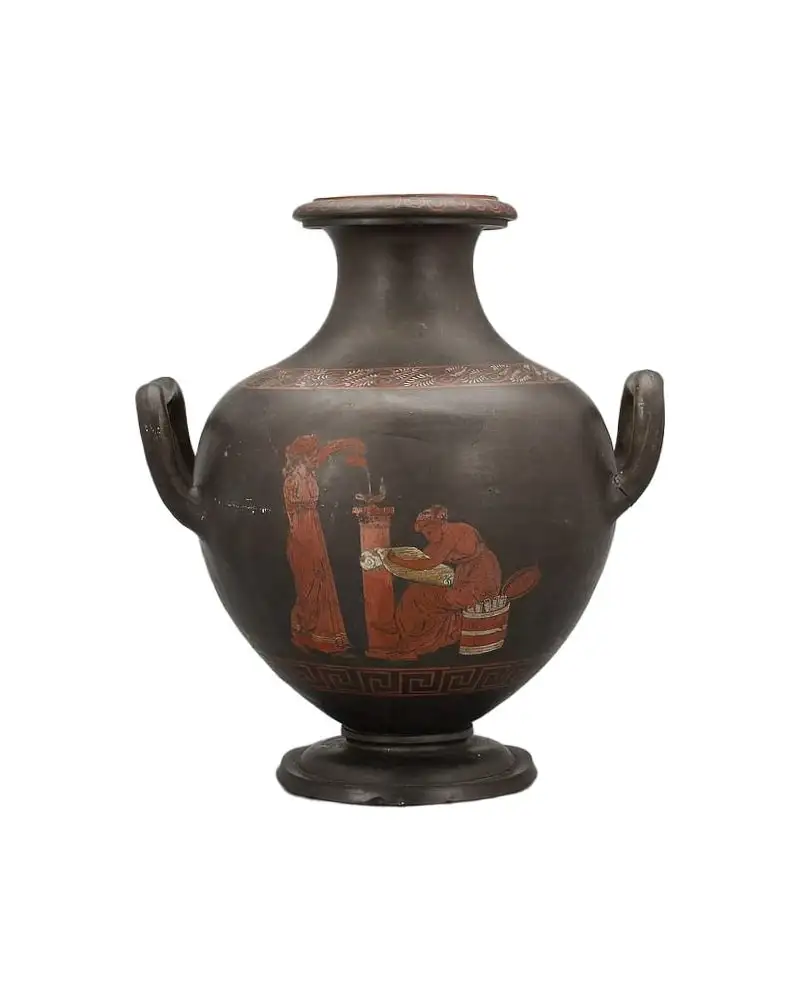

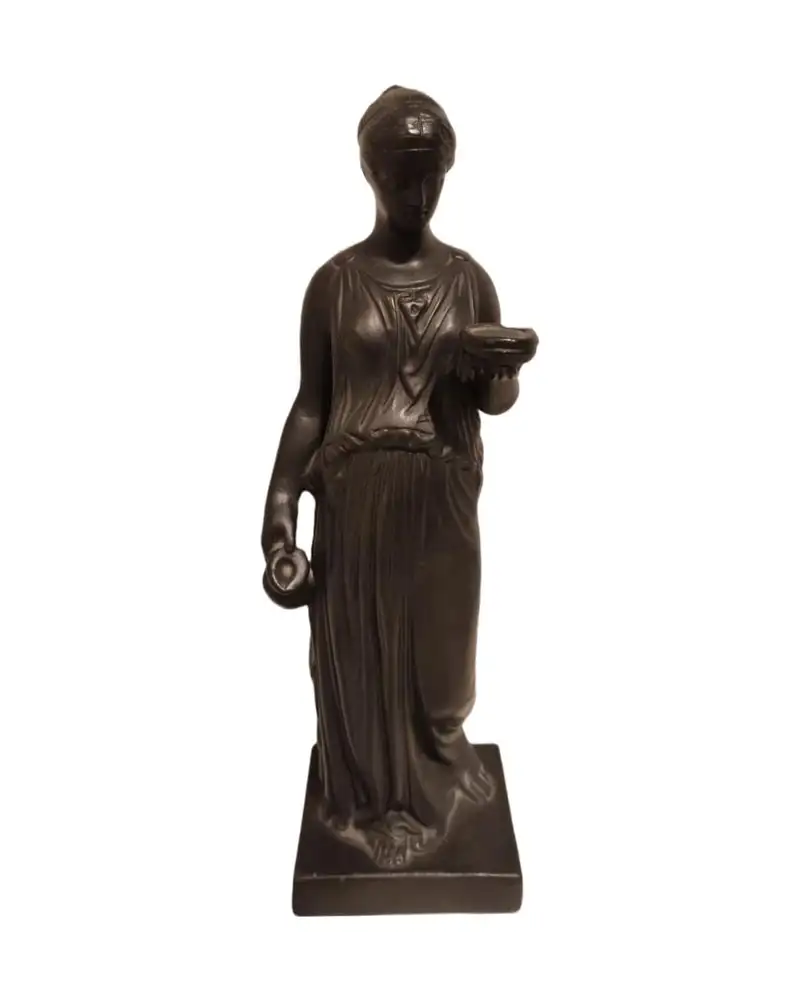
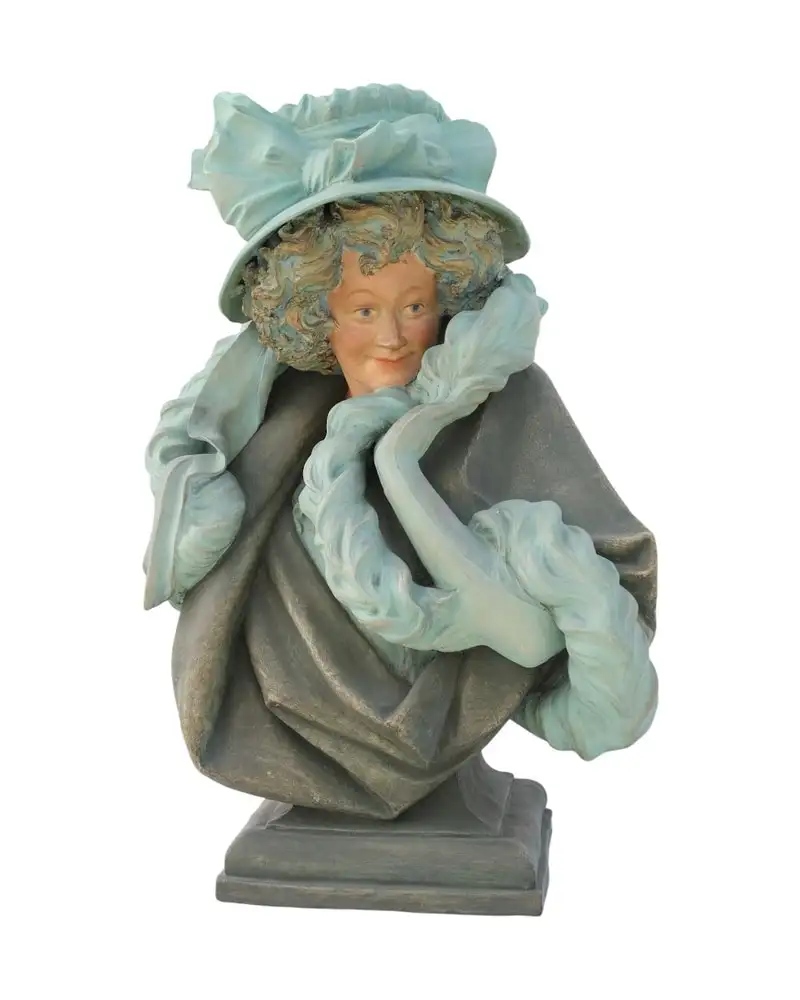
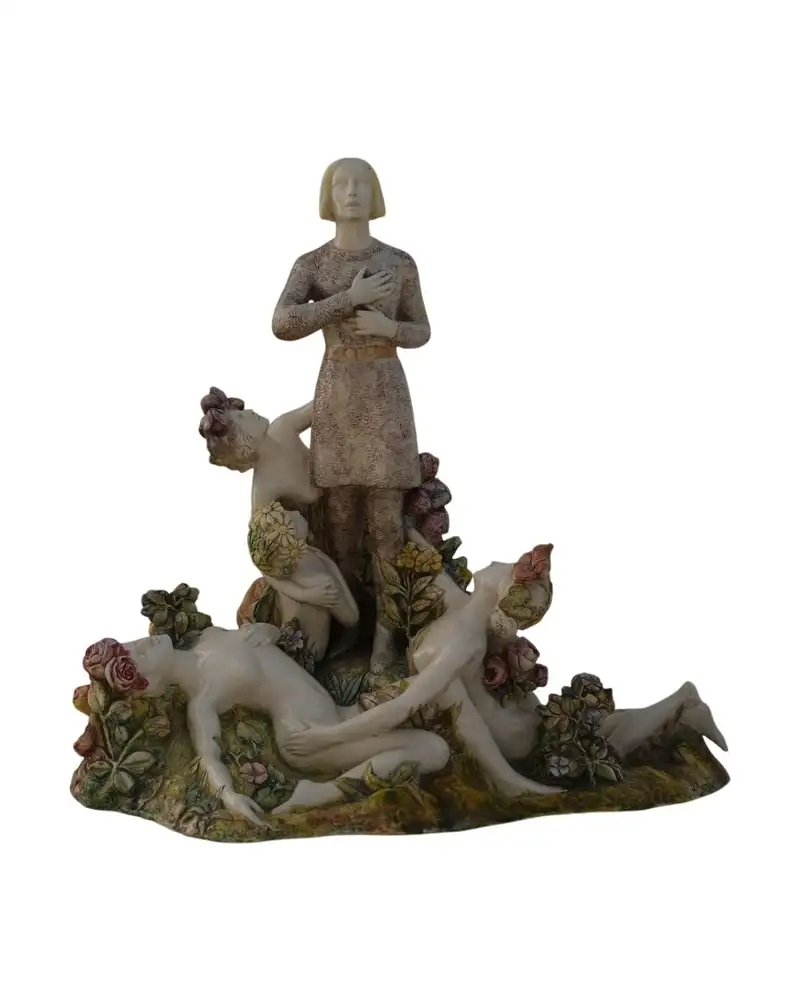
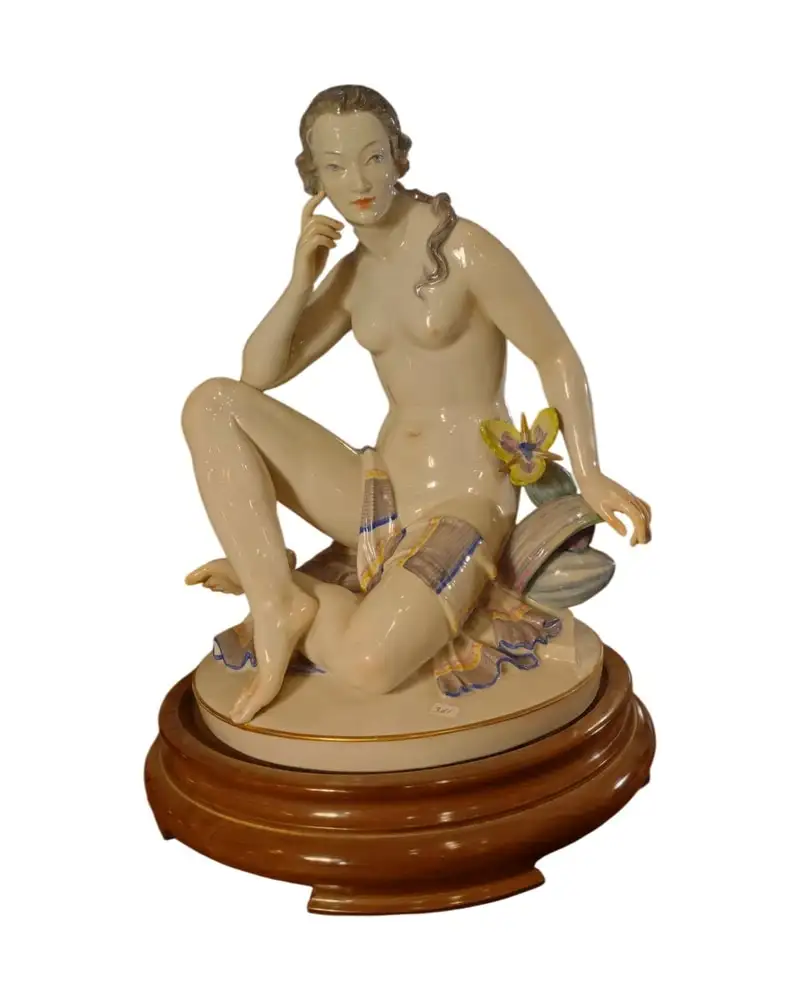
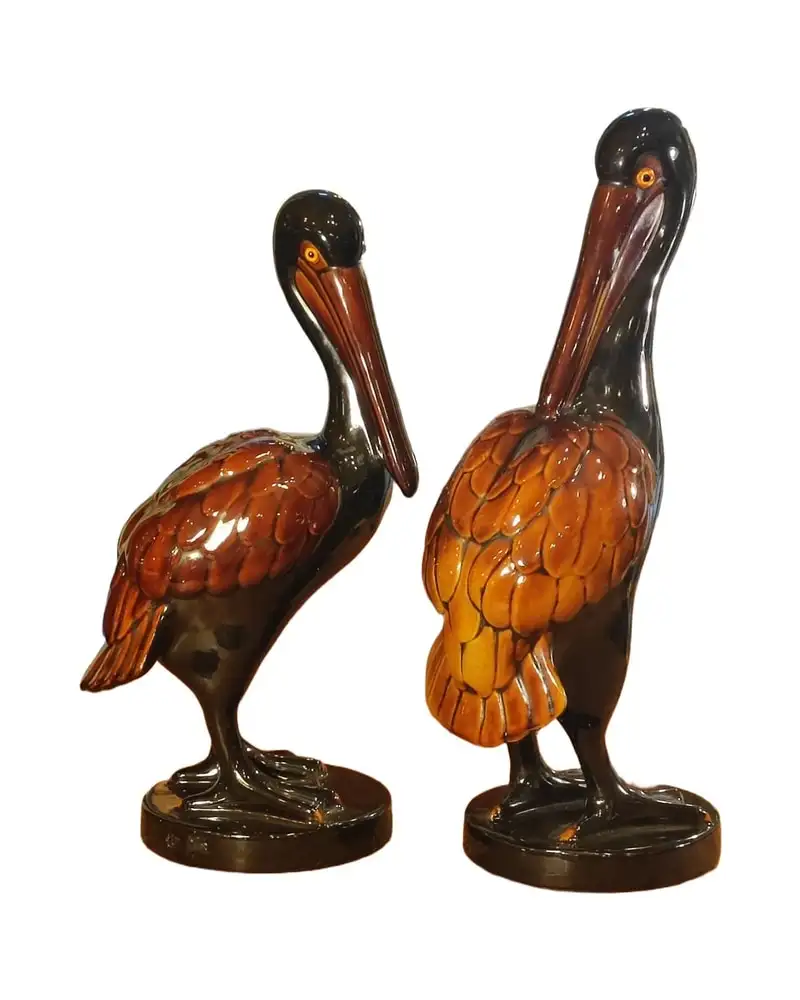
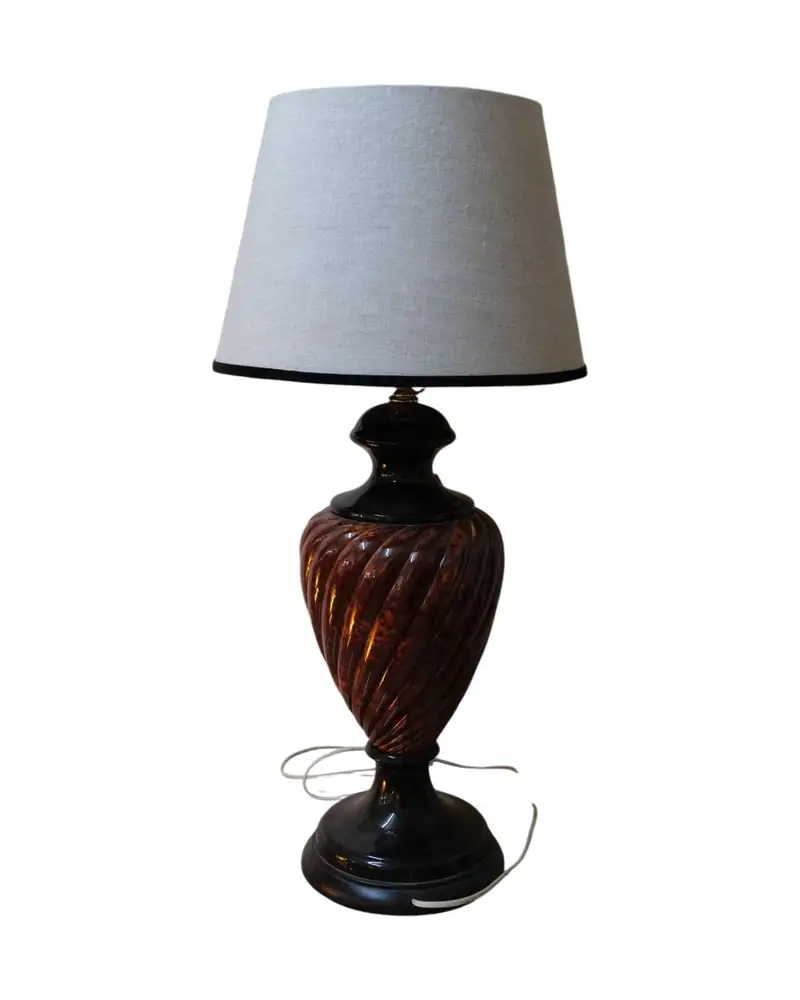
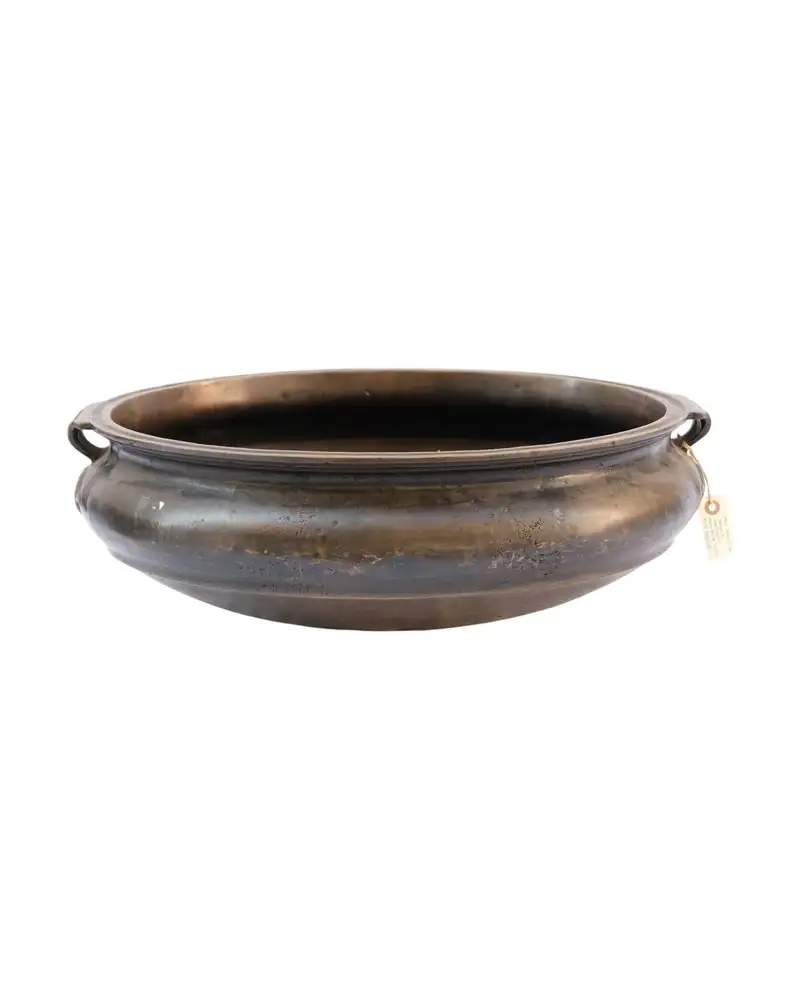
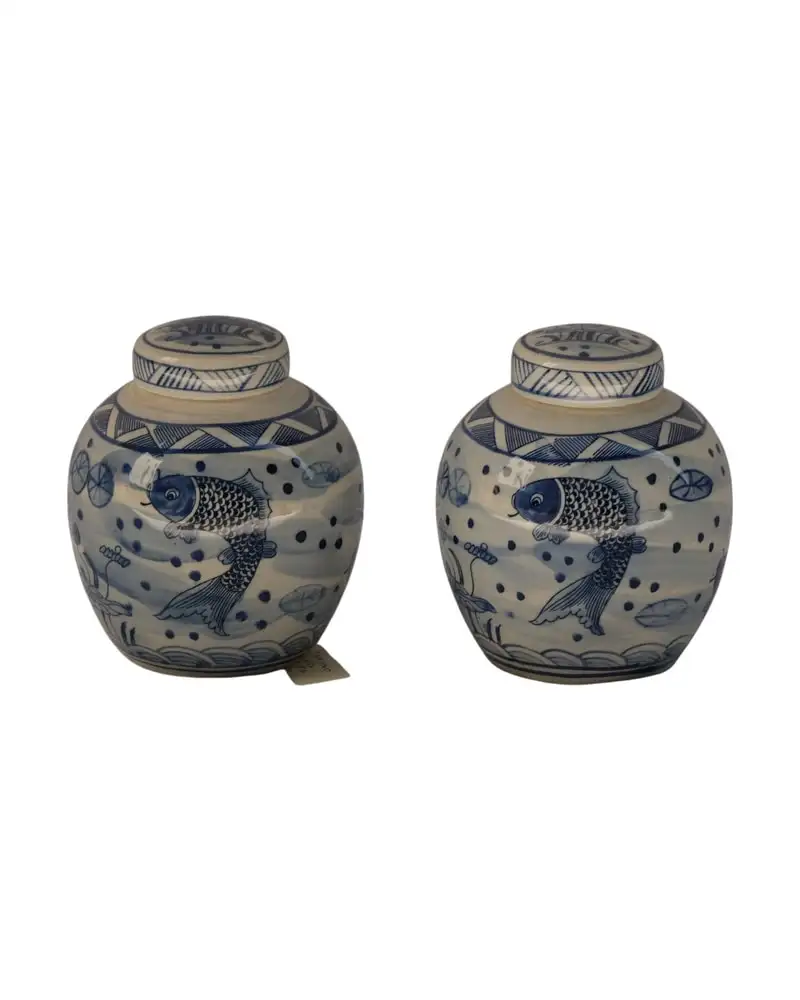
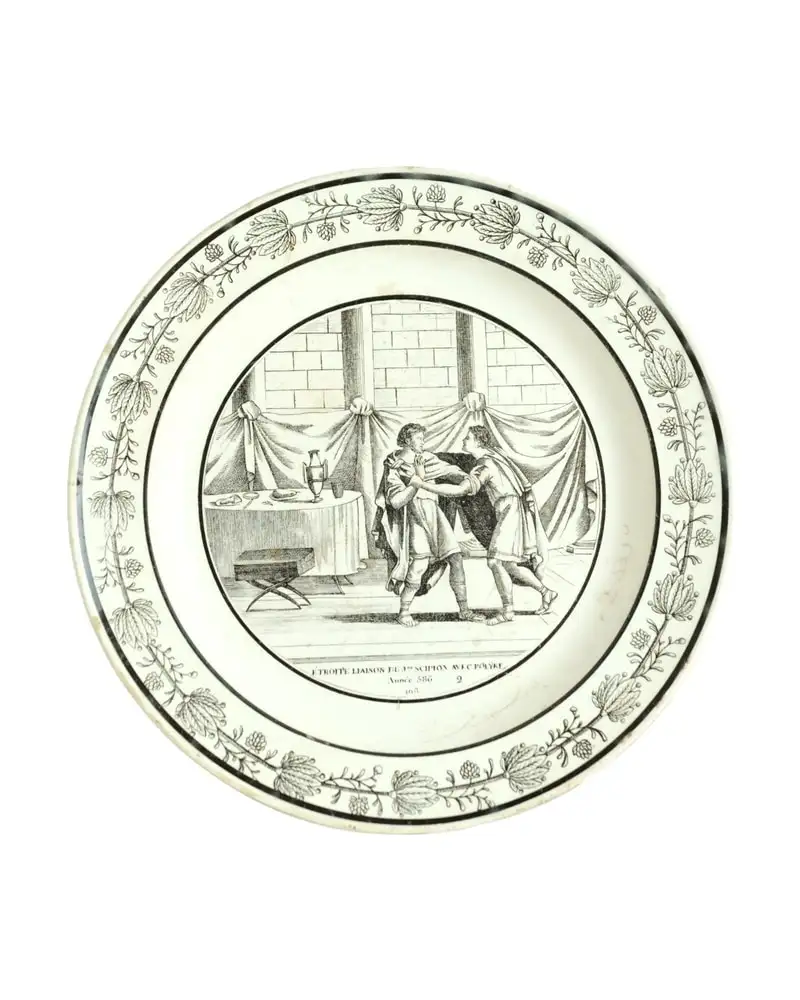
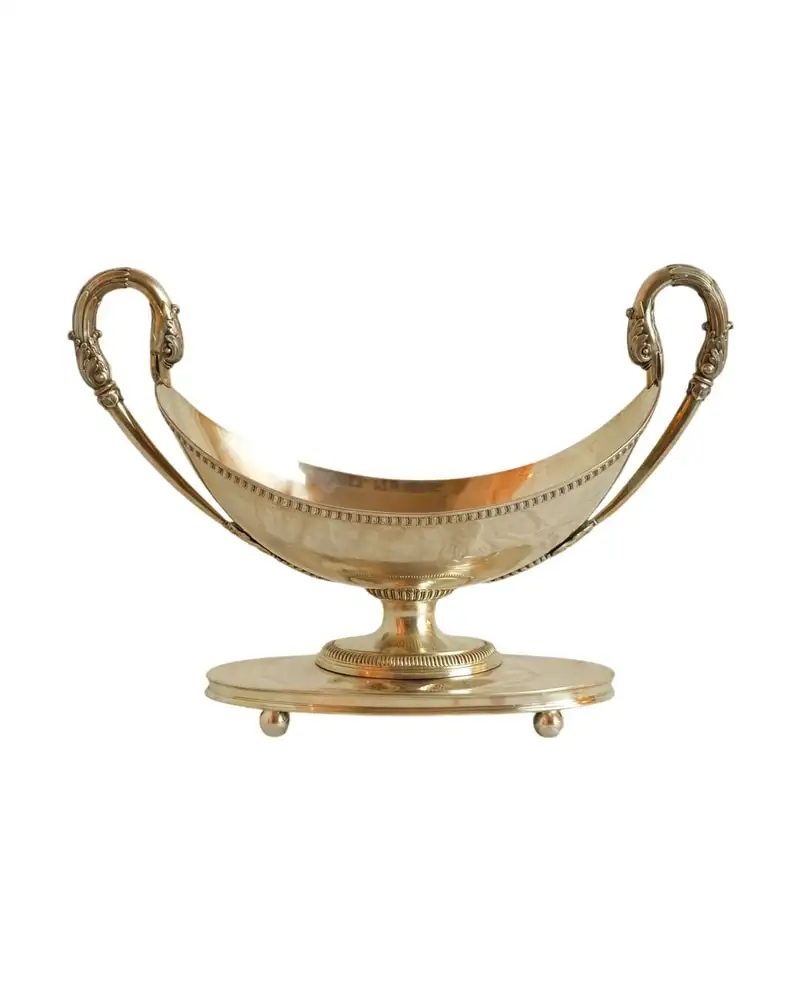
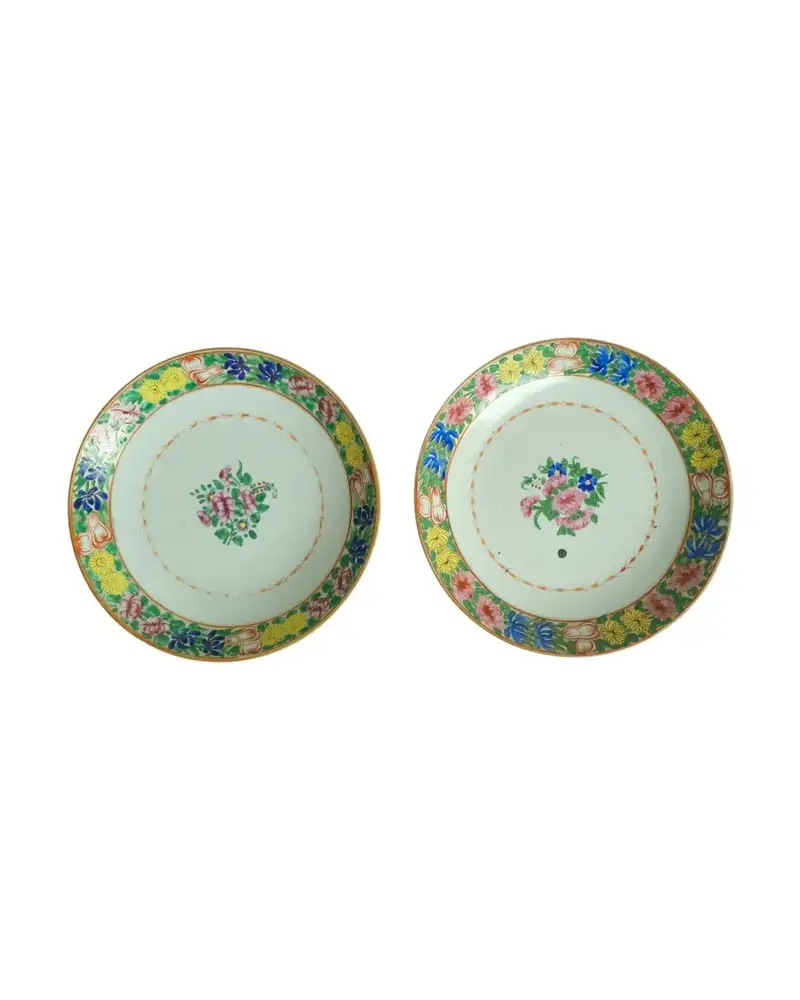
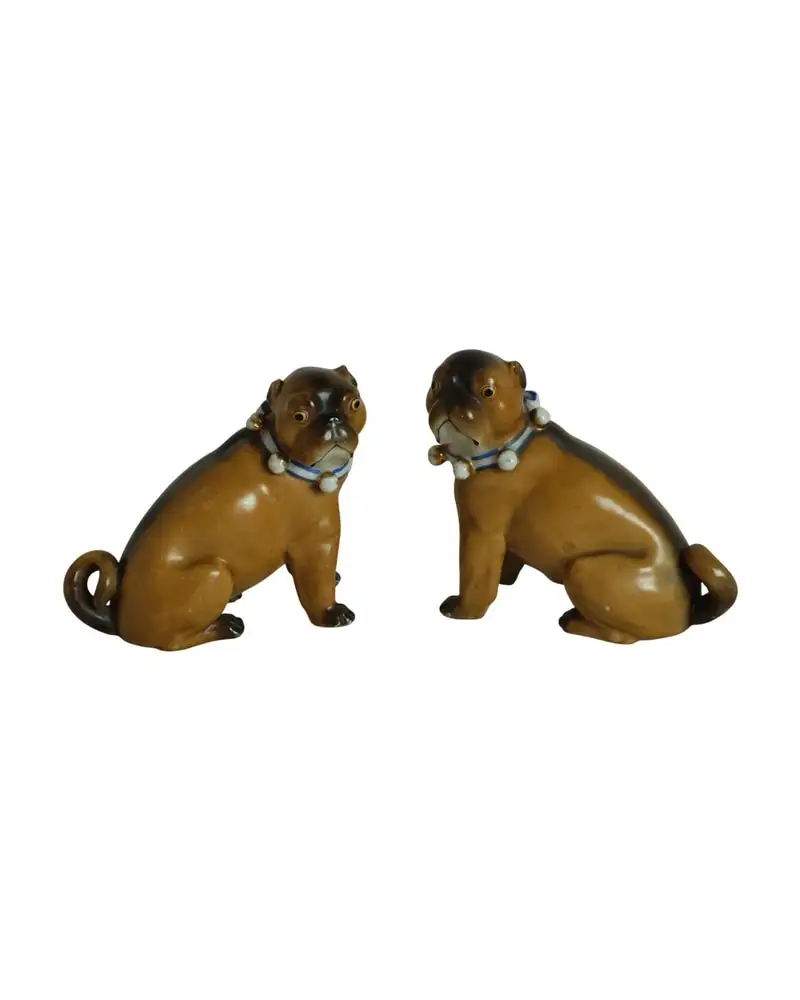
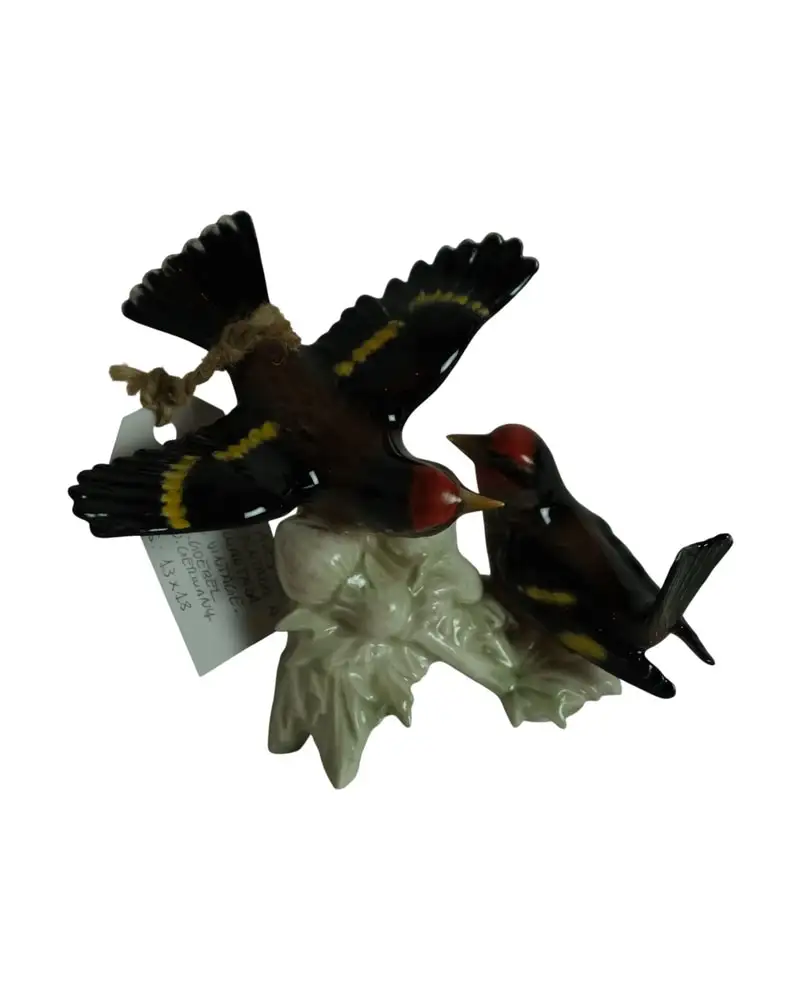
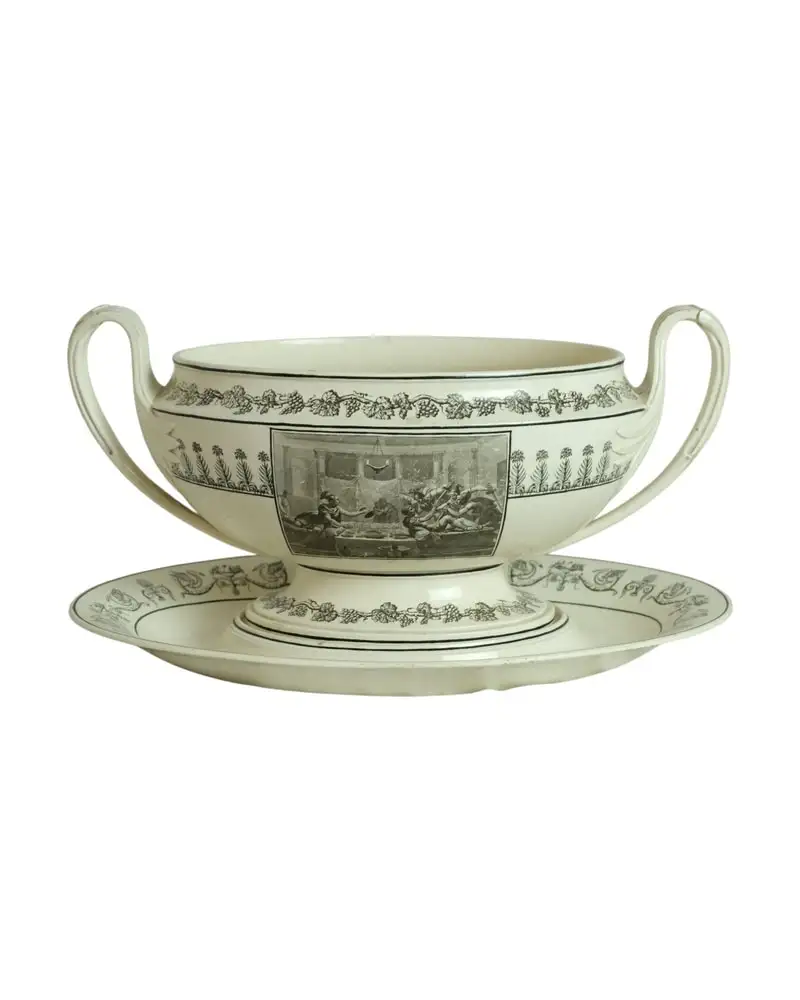
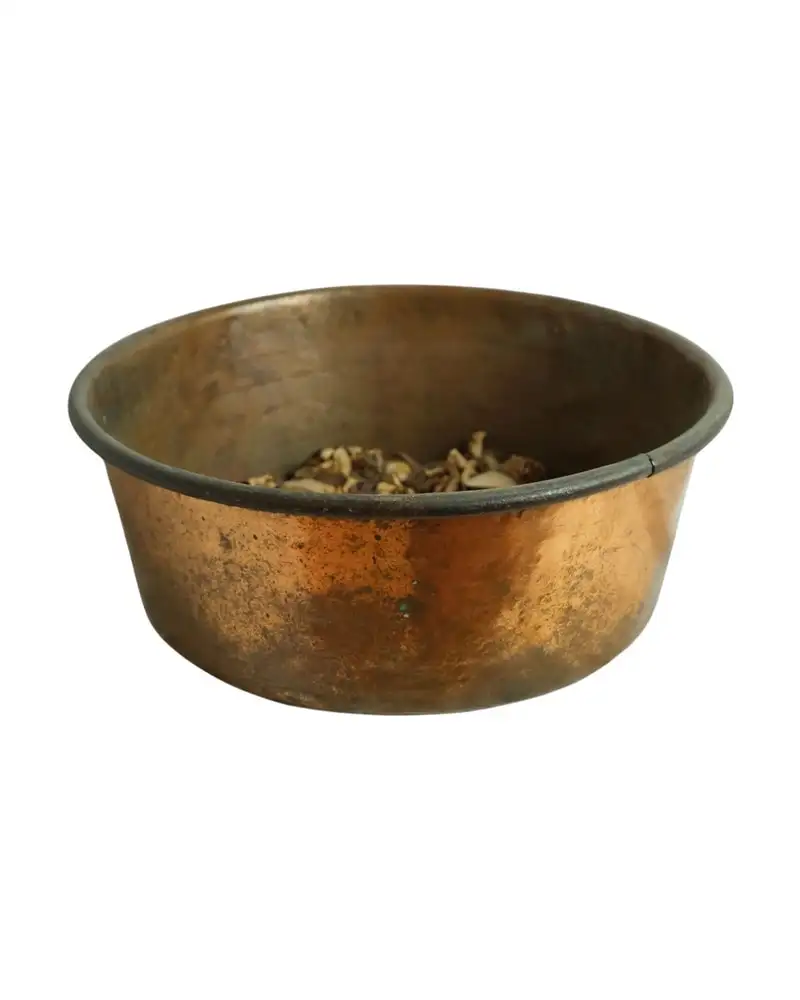
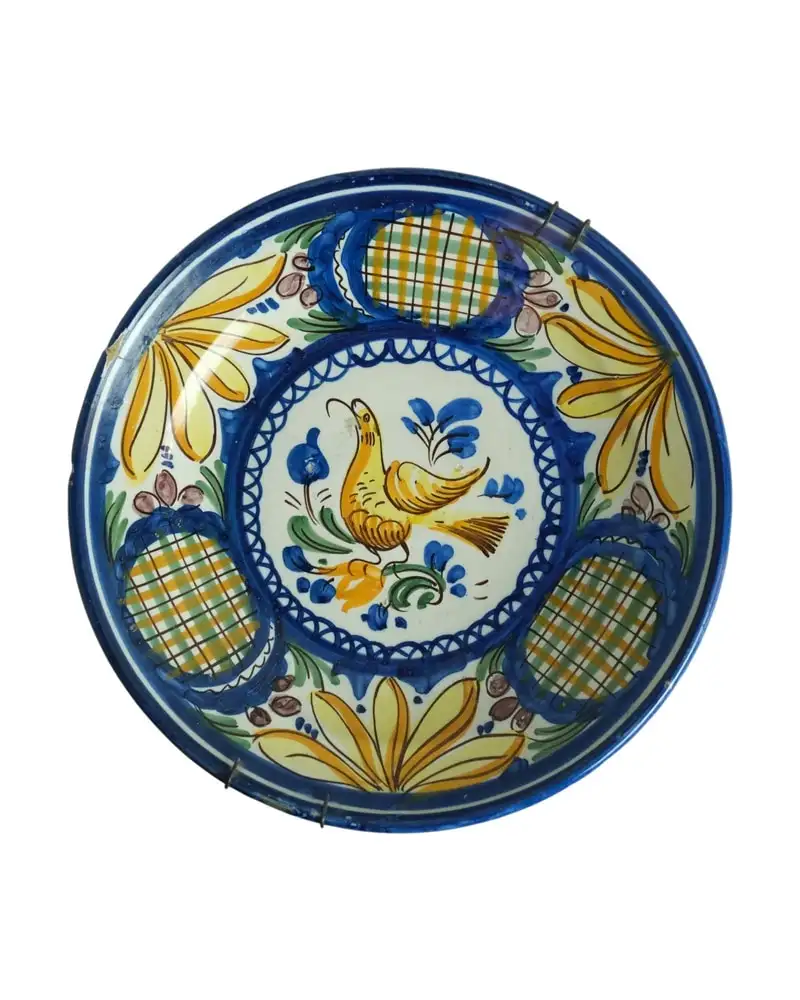
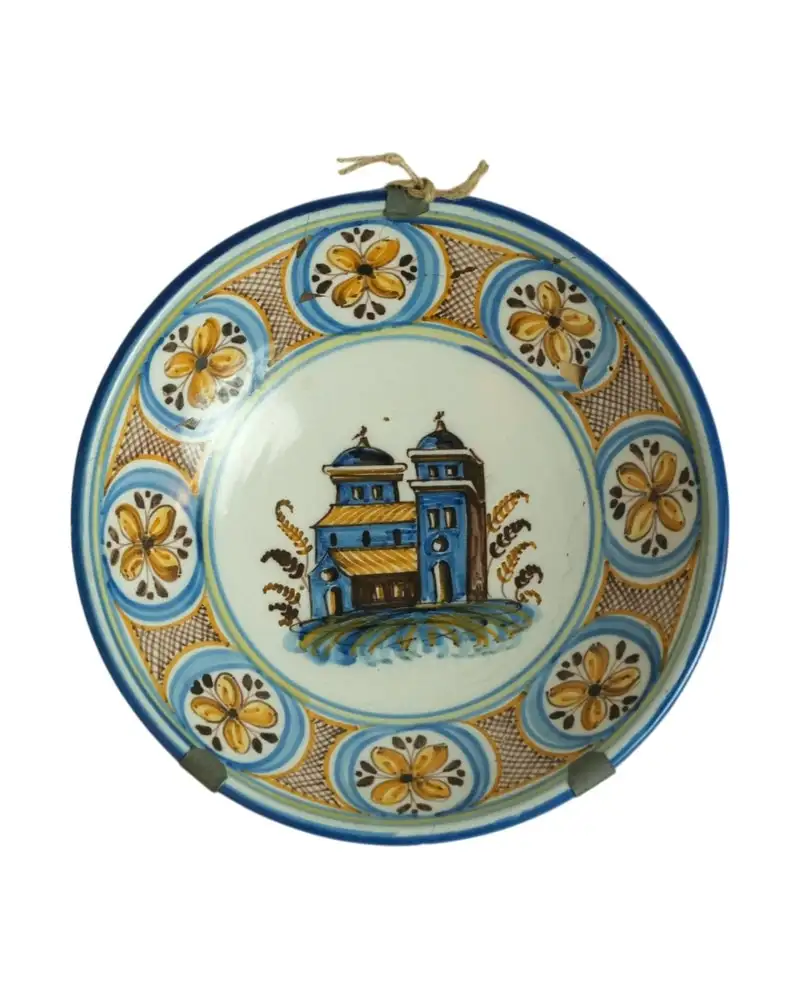
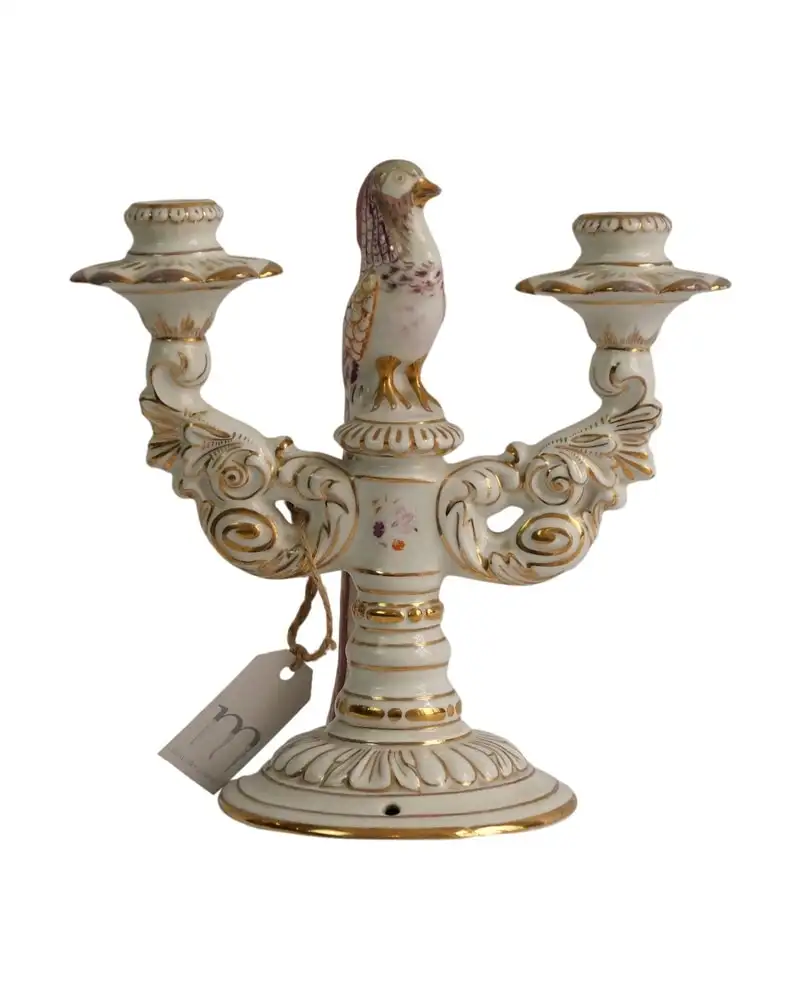
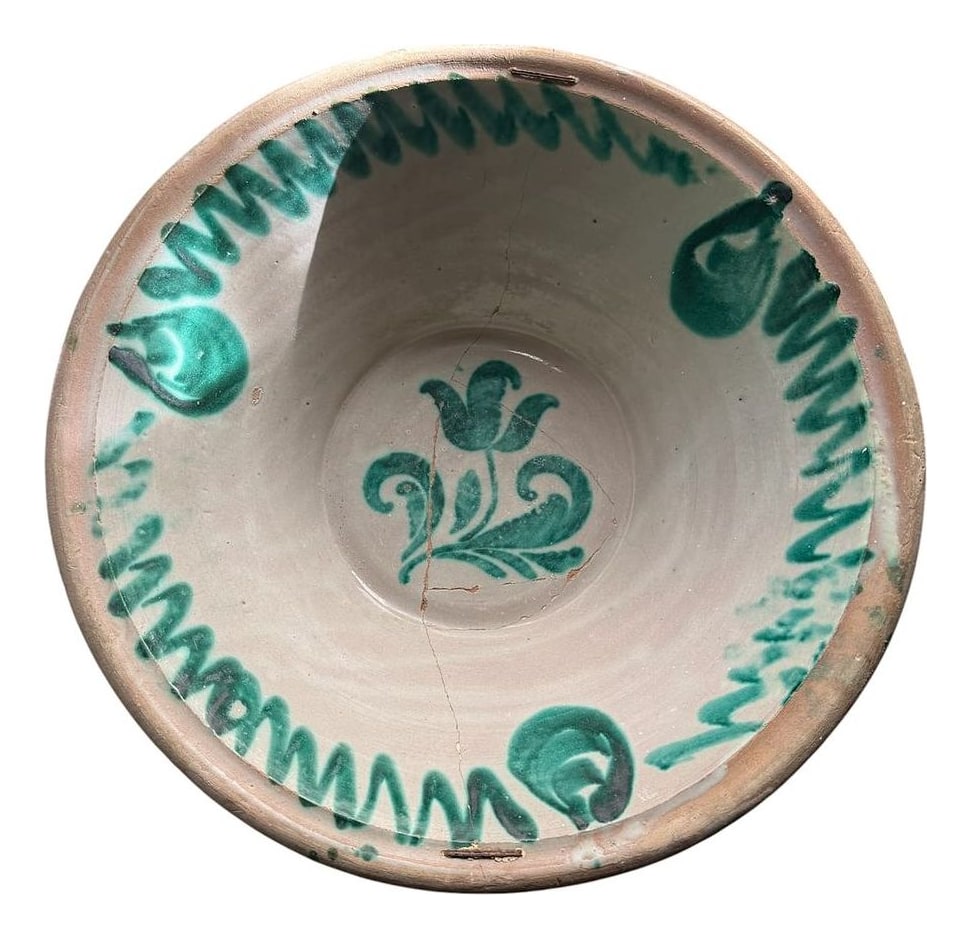
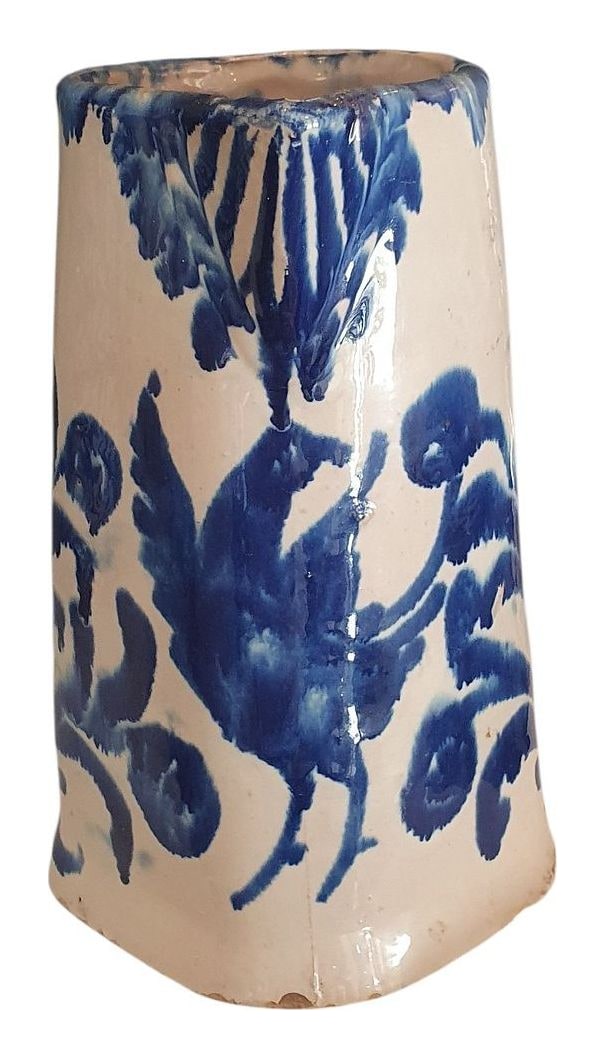
Antique ceramics encompass an immense richness of forms, techniques, and traditions. From Hispano-Arab tiles and Talavera earthenware to European porcelain and folk pottery, each piece reflects the cultural identity of its place of origin. Our selection includes plates, vases, tiles, figures, and utilitarian objects.
Buying tips
Examine the piece against the light to detect cracks and restorations. Workshop marks on the base help identify origin and date. Check that the glaze does not show excessive crazing or deep chips. Pieces with hand-painted decoration hold more value.
About this selection
Ceramics: pieces from professional dealers in Spain, listed on Antiga with a full description and direct contact with each shop. Listed prices range from 45 € to 8.000 €, with a median of 395 €. The middle half of the priced pieces falls between 175 € and 1.250 €. The final price depends on each piece's period, condition and provenance, and the dealer sets it. Some pieces do not show a price; in that case ask the shop directly.
The most common periods are 19th century, 20th century and First half of the 20th century; each piece's date is the one the dealer states on its listing. Most common materials: mixed materials and ceramics.
The pieces are offered by dealers with a shop in Madrid, Mataró, Iruñela and Granada. Each listing leads to the dealer's shop with all of their listed pieces. Antiga's glossary explains terms that appear in this selection, linked below.
Antiga does not take part in the sale: it puts you in direct contact with the shop, which tells you about condition, measurements and delivery. Ask the dealer about restorations, exact measurements and extra photographs before you decide.
In the glossary:Wedgwood, Capodimonte
What is it worth? Price guide →
Frequently asked questions
- How to identify authentic Talavera pottery?
- Genuine Talavera pottery features a white tin-glaze with hand-painted decoration in blue, green, orange, or manganese. Look for workshop marks on the base. Antique pieces have irregularities in brushwork and glaze that distinguish them from industrial reproductions.
- Can antique ceramics be used for eating?
- It depends on the piece and the glazes used. Some antique ceramics contain lead in the glaze. For food use, it is safer to use them as decorative elements. European porcelain pieces from the 19th century onward are generally safe for occasional use.
- How to repair broken antique ceramics?
- For valuable pieces, always use a professional restorer who uses reversible adhesives. For less valuable pieces, clear epoxy glue can work. Kintsugi (Japanese gold repair) is a decorative option that celebrates the piece's history.
- Ceramics: how much do they cost?
- Prices listed on Antiga range from 45 € to 8.000 €, with a median of 395 €. They depend on each piece's period, condition and provenance; each dealer sets their own.
- Ceramics: which periods and materials are they?
- The most common periods are 19th century, 20th century and First half of the 20th century. Most common materials: mixed materials and ceramics.