
Groot haveli-toegangskozijn uit de 19e eeuw
Noble Doors of India · 19th Century
Richtprijs van de antiquair
990 €

Antiga neemt niet deel aan de aankoop. Prijs, betaling en levering regelt u rechtstreeks met de antiquair.
- Adres
- Madrid, España
- Website
- portantica.net
Beschrijving
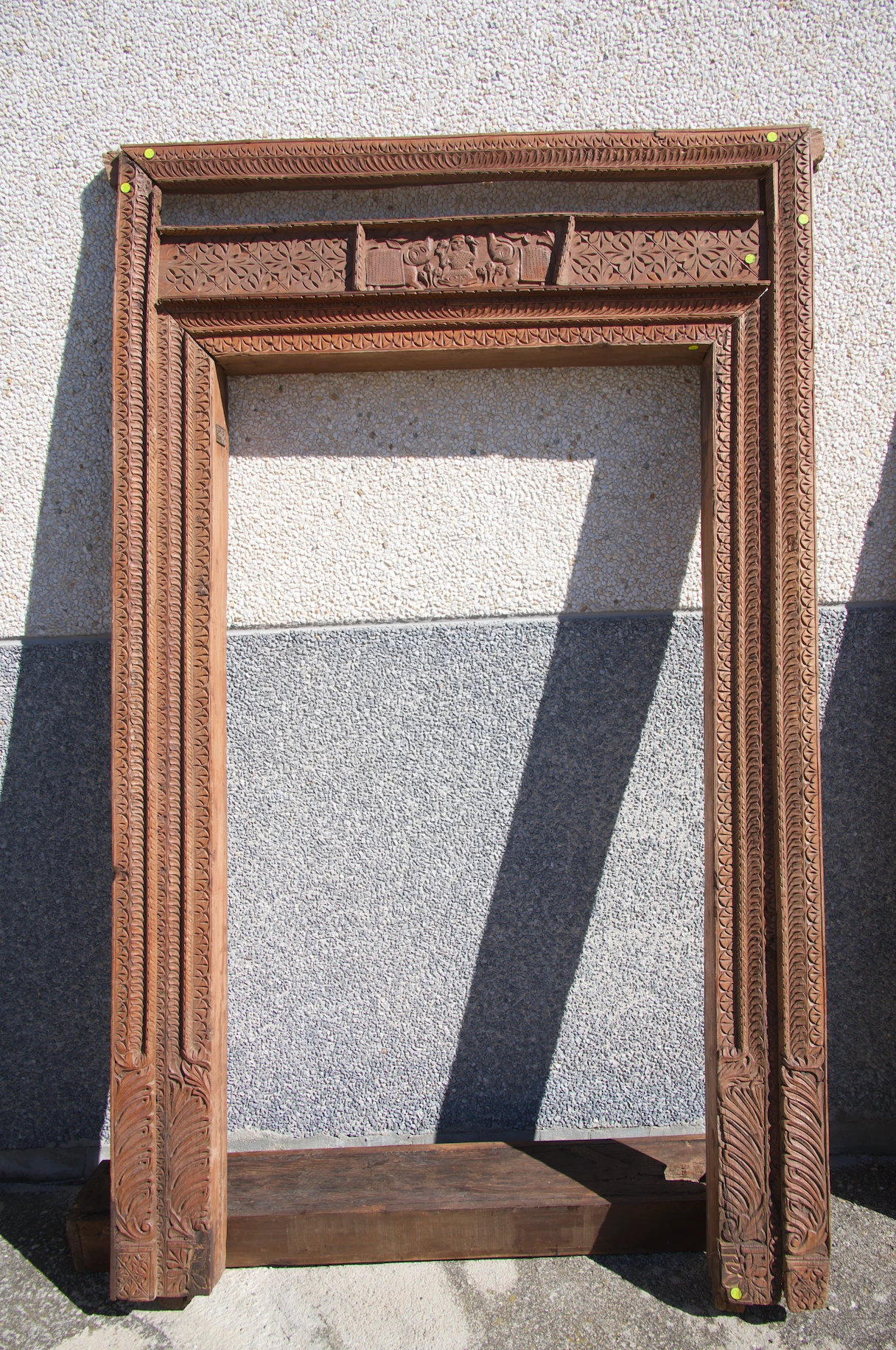
Exceptional architectural entrance frame from the northwest of the Indian subcontinent, most likely Rajasthan, with stylistic affinity to the regions of Shekhawati or Marwar.
Made of local hardwood, probably acacia or babul, it features an elaborate system of hand-carved relief that runs along the jambs and lintel with deeply carved repetitive vegetal patterns and ornamental rhythm.
The upper frieze incorporates a central figurative scene, likely an auspicious protective representation —possibly Lakshmi or a domestic deity— flanked by symbolic animals, within a typical composition of 19th-century merchant haveli portals.
The piece retains its historical patina and wear consistent with its age. Minor interventions are observed in specific details, integrated without altering its overall reading. The structure is solid and stable.
Includes a backplate in Devanagari script, likely added in the 20th century, indicating original domestic numbering.
An architectural element of great cultural density and sculptural presence.
Automatische vertaling. De originele tekst van de verkoper is bepalend.
Geschiedenis van het object
This frame was part of a haveli —urban residence of affluent merchants— in northern India during the late 19th or early 20th century, within the cultural sphere of Rajasthan, especially linked to the regions of Shekhawati or Marwar.
In the domestic architecture of these regions, the entrance portal was the most representative element of the home. It not only marked the transition between public and private space but also symbolized status, protection, and family continuity. The richness of the carving on the jambs and the inclusion of protective iconography in the upper frieze reflect the synthesis between Hindu construction tradition and Indo-Islamic aesthetics.
The central figurative scene of the lintel responds to a common protective domestic tradition in haveli portals, where the representation of deities or auspicious figures reinforced the symbolic character of the threshold.
The piece retains a small metal backplate with an inscription in Devanagari script indicating domestic numbering. The text combines local script with Western numbering and can be translated as "Above 6 / Below 10," likely a reference to floor plan and housing number or urban identification system. This element, presumably added in the 20th century, confirms its use within an active residential environment and adds an additional layer of historical authenticity.
The structure features traditional joinery and visible pegs, typical of urban domestic architecture in the region.
Around the year 2000, the piece was acquired in India by a dealer specializing in decorative arts from South Asia and subsequently imported to Europe, remaining in private collection since then.
Gebruikssuggesties
Monumental portal in a singular residence
Architectural frame integrated into a contemporary project
Access to an interior courtyard or garden
Central element in a double-height space
Integration in a boutique hotel or high-end hospitality project
Sculptural mural installation
Architectural scenography for a gallery or restaurant
Freestanding frame as a sculptural piece
Technische gegevens
- Object
- Noble Doors of India
- Periode
- 19th Century
- Materiaal
- Massief acaciahout (babul)
- Afmetingen
- 246 cm × 151 cm × 15 cm
- Herkomst
- India
- Staat
- Buen estado original
Geplaatst op 28 februari 2026
Antiquair
Vergelijkbare stukken
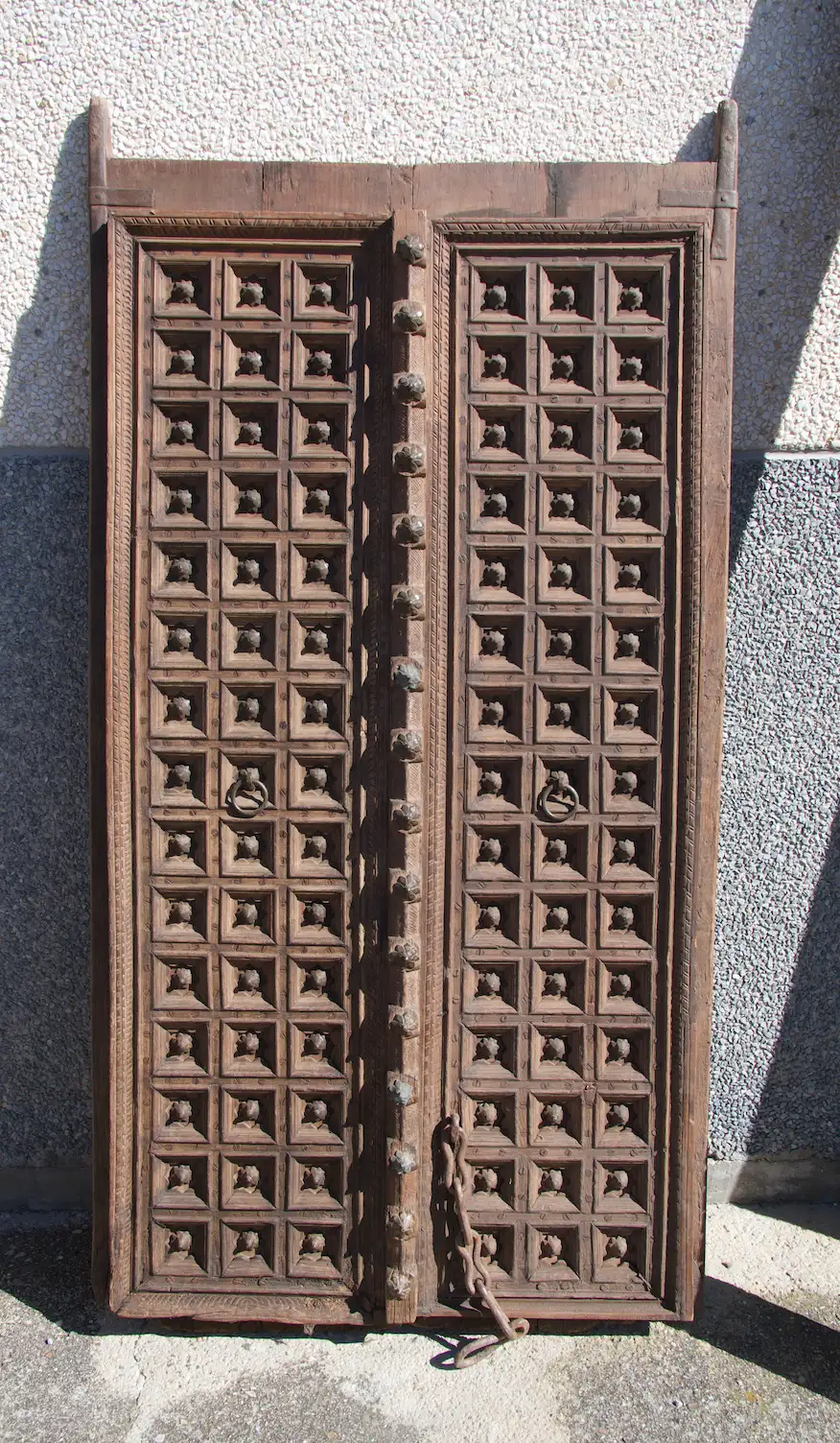
Grote Haveli-deur uit de 19e eeuw
Portantica · Madrid
990 €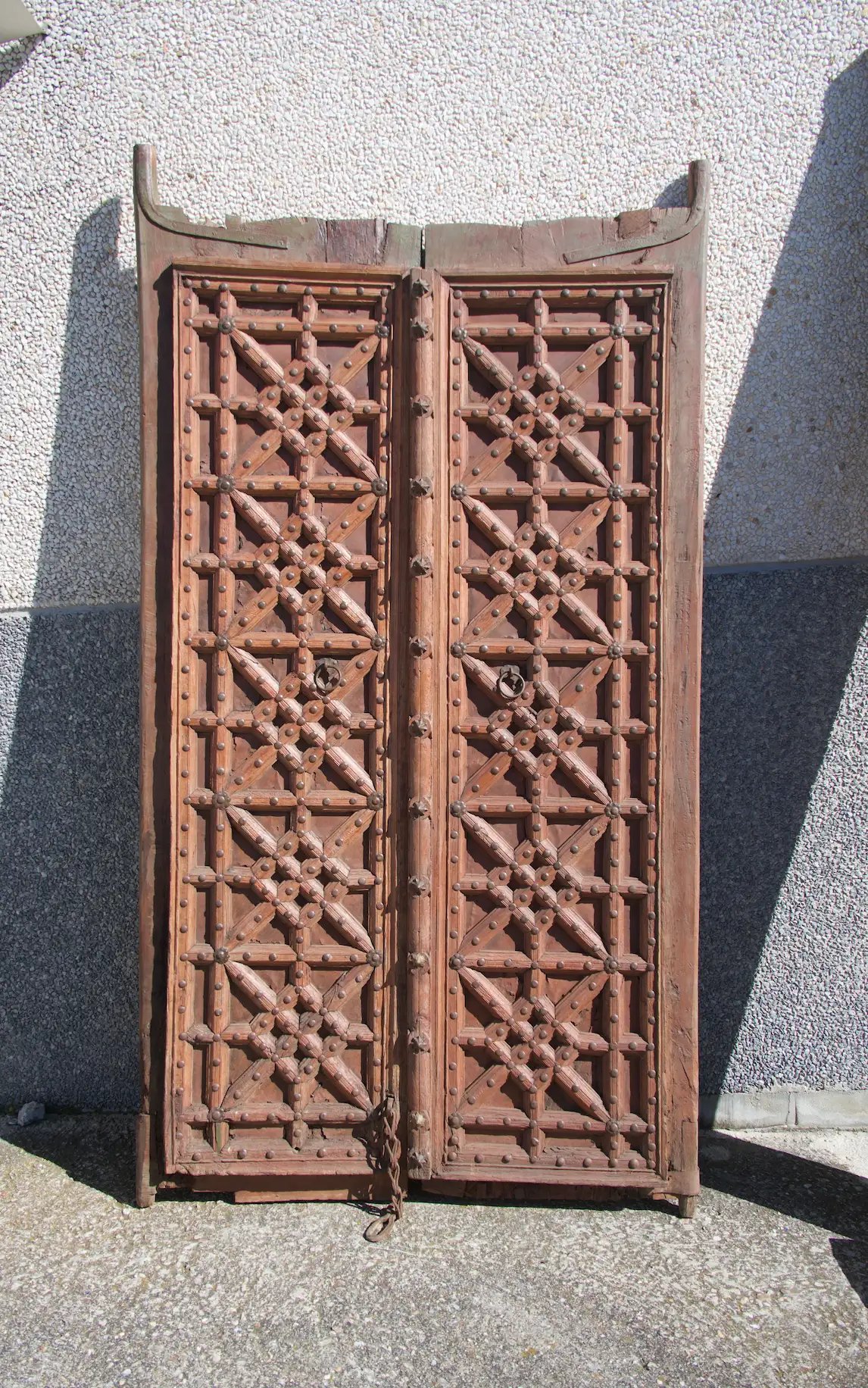
Grote Indiase adellijke deur uit de 19e eeuw
Portantica · Madrid
990 €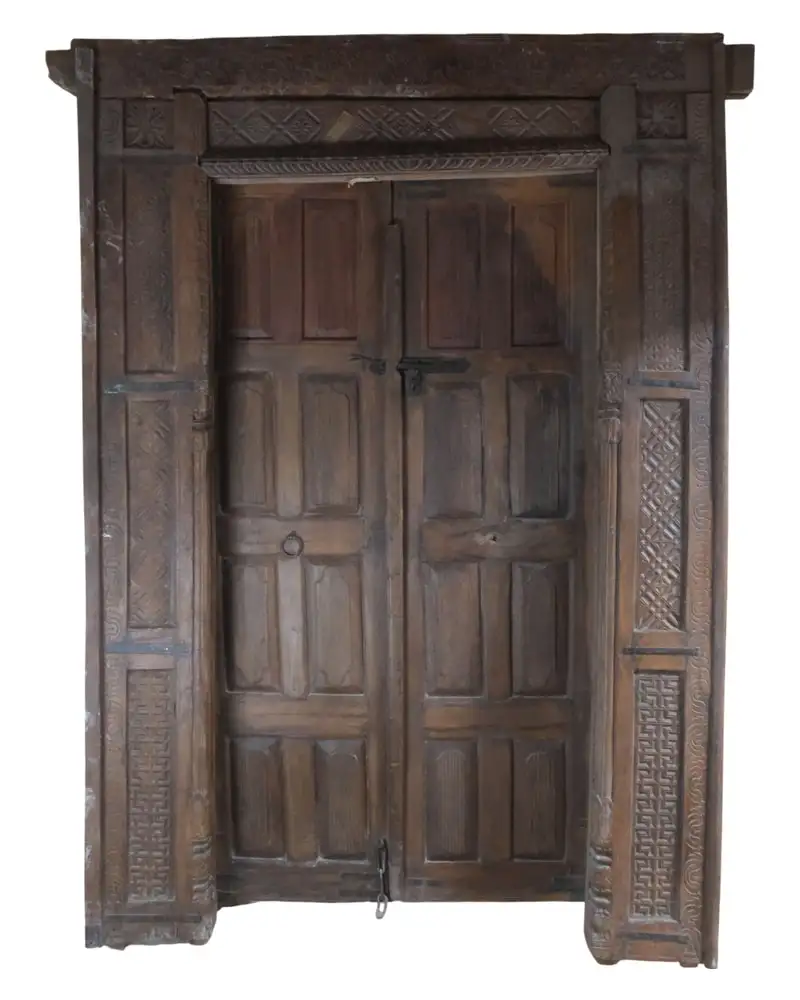
Indiase adellijke deur, eind 19e eeuw
Portantica · Madrid
990 €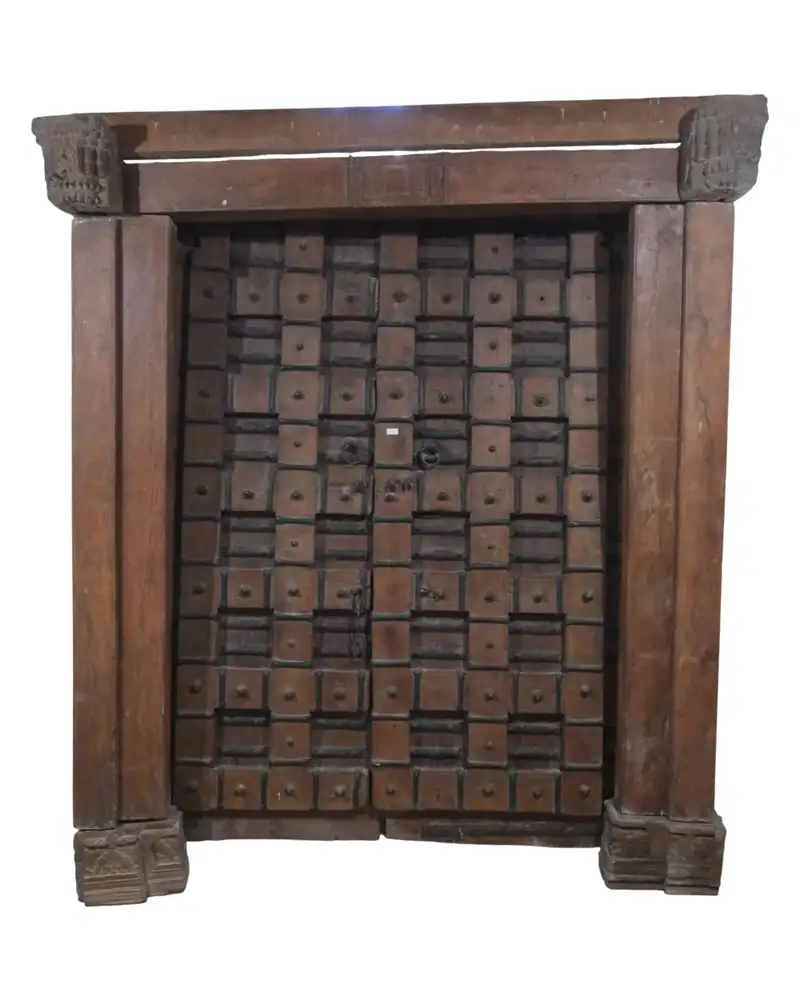
Tempelpoort uit Noord-India, 19e eeuw
Portantica · Madrid
990 €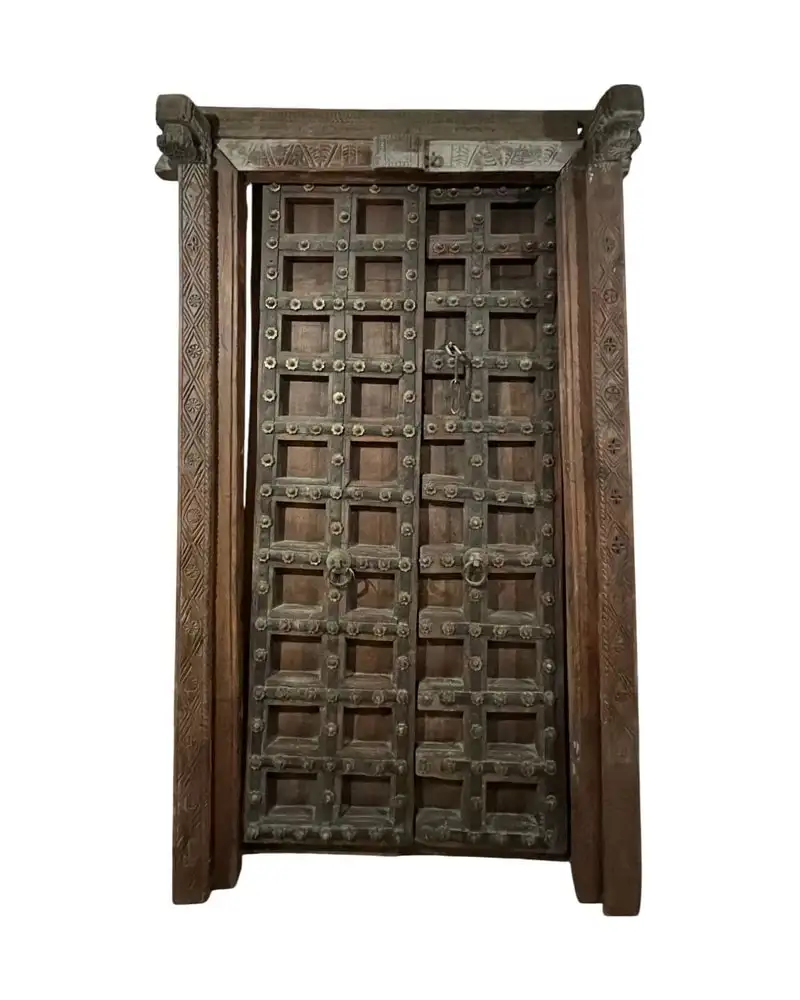
Grote adellijke deur uit India, 19e eeuw
Portantica · Madrid
990 €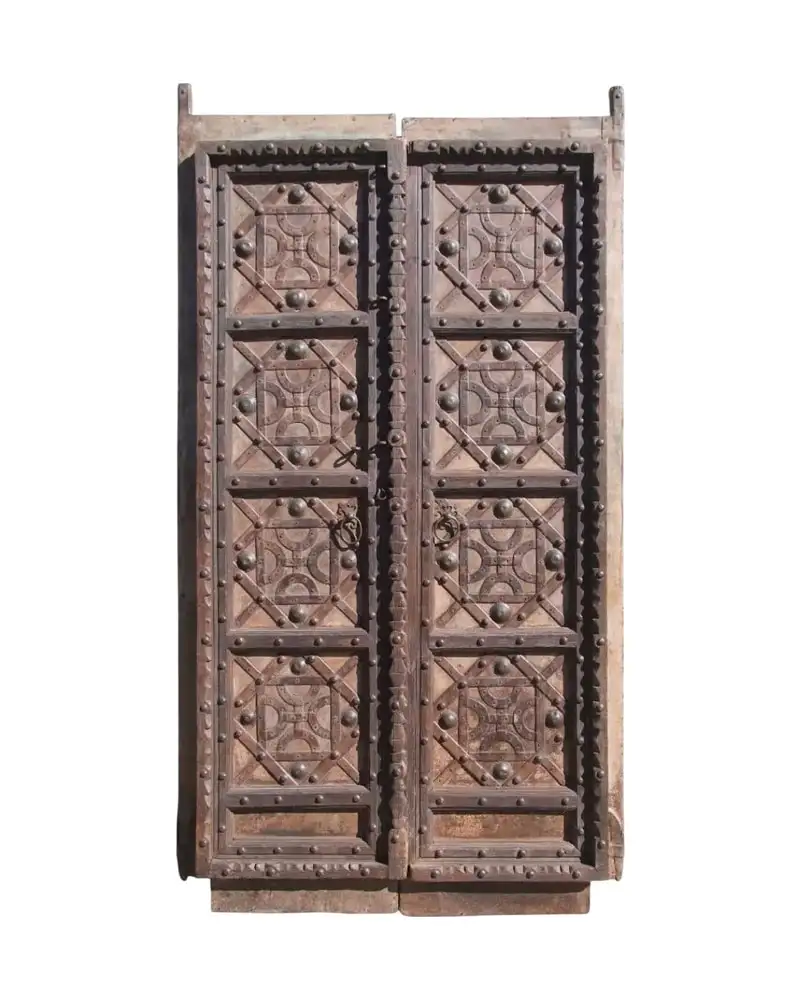
Grote Indiase deur uit de 19e eeuw
Portantica · Madrid
990 €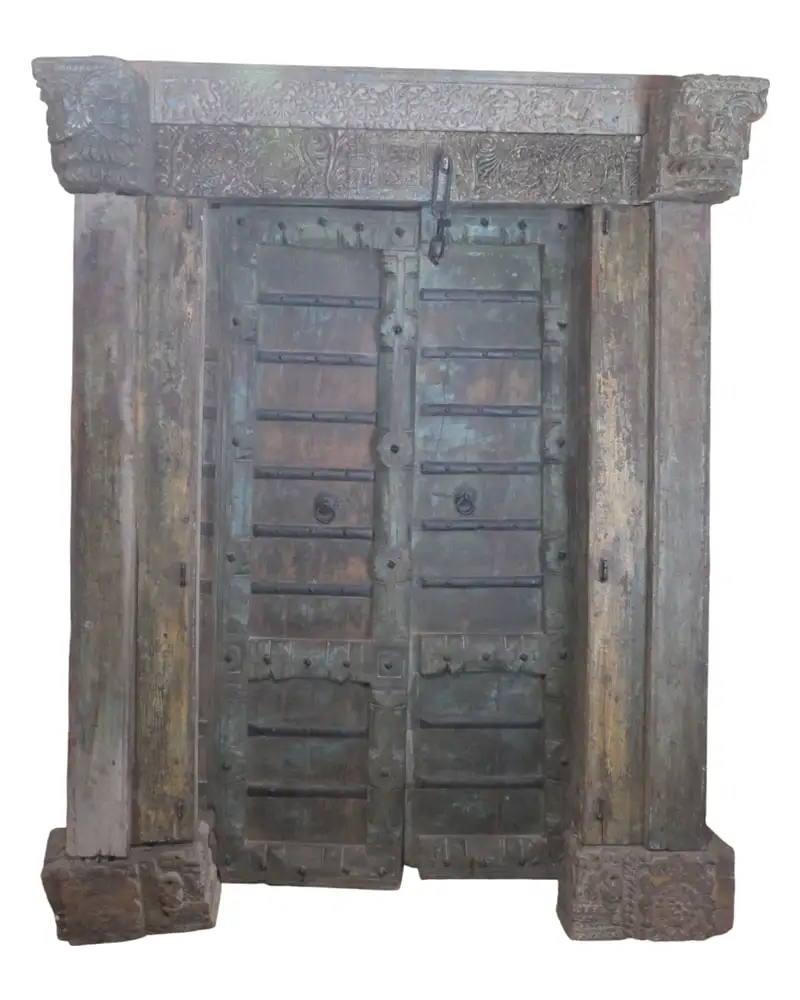
Beschilderde adellijke deur uit India, 19e eeuw
Portantica · Madrid
990 €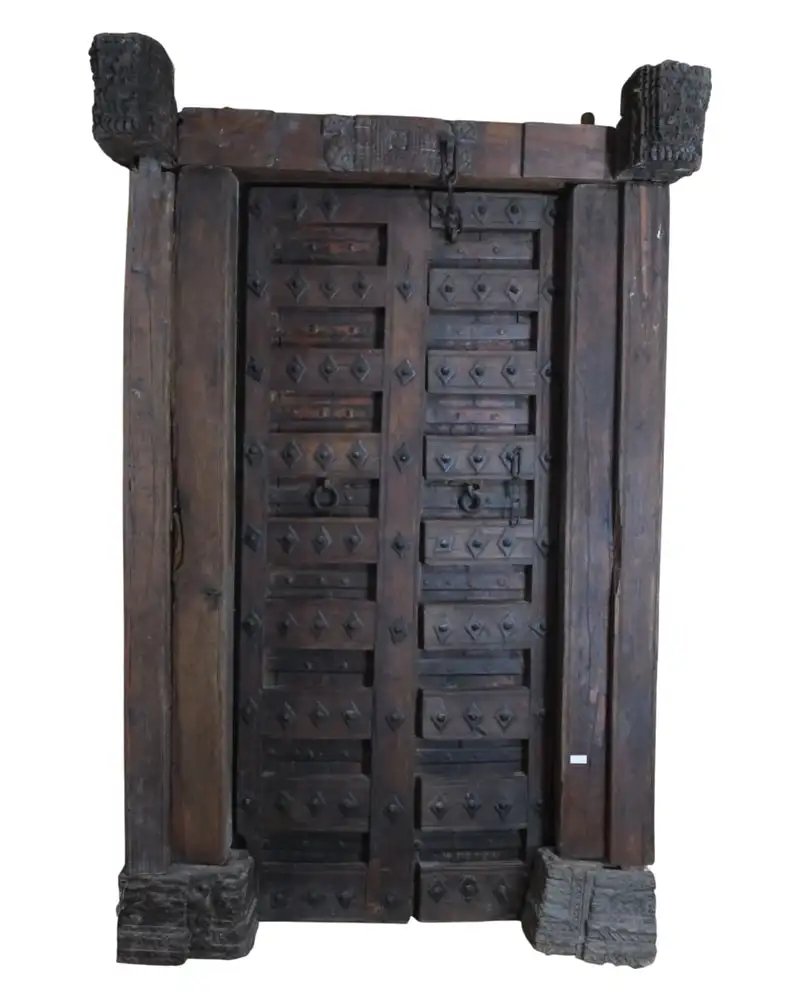
Adellijke deur uit India, 18e eeuw
Portantica · Madrid
990 €