
Guide
Wood types in antique furniture: oak, walnut, mahogany
How to identify woods without being an expert: grain, weight, colour and smell. The links between woods and national traditions, and what the wood tells you about where a piece comes from.
When we examine a piece of antique furniture, the first thing we do is look at the wood. Not with a loupe or a microscope, that comes later, if needed. The first step is more basic: look at it, touch it, smell it. In most cases that is enough for a reasonably reliable first identification. You do not need to be a wood scientist. You need to train your eye and know the general rules.
The furniture historian Adam Bowett, in Woods in British Furniture Making 1400-1900, shows how much the wood can help to date and place a piece. Wood rarely lies: it tells you where a piece comes from, when it was made and, often, which market it was made for.
The four senses of identification
Sight: the grain
The grain is the visible texture of the wood, the result of the tree’s growth rings. Oak has an open grain, with large pores visible to the naked eye, and the characteristic "silver figure" (medullary rays) that shows as silvery flashes on quarter-sawn surfaces. Walnut has a finer, closer grain and, in burr veneers, the swirling figure the French call "ronce de noyer". Mahogany has a fine, even grain, often with an iridescent sheen.
Touch: the weight
The relative weight of the wood is a surprisingly useful indicator. European oak is heavy and dense. Walnut is lighter than you expect. Mahogany varies enormously: Cuban mahogany (Swietenia mahagoni) is dense and heavy; Honduras mahogany (Swietenia macrophylla) is lighter and more open. Pine is always lighter than the fine hardwoods, and elm has an intermediate weight with a characteristic fibrous texture.
Sight: the colour
With centuries of patina every wood darkens, but the base tone remains identifiable. Oak ages to a golden brown or a silvery grey. Walnut darkens to a deep chocolate brown. Mahogany ranges from orange-red to a dark reddish brown. Cherry and other fruitwoods age to a warm amber. And ebony, of course, is almost black.
Smell: the scent
It sounds odd, but it helps. Open a drawer that has been shut for a long time and smell the inside, where the wood is unvarnished: each species keeps something of its scent. Oak smells sharp, of tannin. Cedar and camphor are unmistakable. Walnut has a soft, sweet smell. One word of caution: never sand or scrape an antique to check; any fresh mark takes value away.
The general rules: wood and geography
This is a simplification, but it works as a first approach:
- Oak = England, the Low Countries and northern Europe. Oak is the default wood of the English tradition (Tudor, Jacobean, Arts and Crafts) and of Flemish and Dutch furniture. In Spain it appears mainly in the north (Galicia, Asturias, the Basque Country).
- Walnut = Spain, France and Italy. Walnut is the fine wood of Castilian furniture (vargueños, tables, friar’s chairs), the great French wood until mahogany gains ground in the second half of the eighteenth century, and the dominant wood of Italian furniture from the Renaissance to the nineteenth century. England also had an "age of walnut", roughly between 1660 and 1730.
- Mahogany = Georgian England and the colonies. Mahogany reached Europe from the Caribbean in the first decades of the eighteenth century and transformed English furniture. Chippendale, Hepplewhite and Sheraton worked essentially in mahogany.
- Pine = Scandinavia, country furniture, and secondary wood throughout Europe. The internal structure of many "fine" pieces is pine.
- Cherry and fruitwoods = rural France, Central European Biedermeier, provincial furniture.
A walnut piece with poplar drawers and French joinery: probably French. A walnut piece with pine interiors and wrought-iron fittings: think Spain. An oak piece with oak or pine drawer bottoms and sturdy construction: possibly English. The wood is the first clue, never the only one.
Exotic woods and what they reveal
Exotic woods tell stories of global trade. Rosewood appears in European furniture of the eighteenth and nineteenth centuries, imported from Brazil and India. Ebony from Africa and Asia was used for luxury veneers and for the famous marquetry of André-Charles Boulle. Teak points to a link with South-East Asia or with naval tradition. Satinwood was the favourite of English cabinetmakers in the late eighteenth century.
Exotic woods usually indicate a piece of some standing: these woods were expensive, came from far away and were used for pieces intended for wealthy clients. A rosewood veneer on a nineteenth-century piece tells you it was a quality commission, not mass production.
Secondary wood: the clue many people ignore
The hidden wood is as important as the visible wood. Drawer bottoms, backboards, internal framing, all made in "secondary" woods that are crucial clues to origin:
- Oak as a secondary wood = probably English or northern French furniture.
- Poplar or lime as a secondary wood = probably French furniture.
- Eastern white pine (Weymouth pine) as a secondary wood = possibly American colonial furniture.
- Chestnut as a secondary wood = common in Italian and southern French furniture.
- Scots pine as a secondary wood = Central European, Scandinavian or Spanish furniture.
These are tendencies, not fixed rules, but furniture specialists and auction houses always look at the secondary woods to confirm or rule out an origin.
Common identification mistakes
- Confusing elm with oak: elm has a wilder, interlocked grain, without the silver figure of oak.
- Confusing chestnut with oak: they look similar, but chestnut is lighter and has no silver figure.
- Calling any reddish wood "mahogany": many tropical woods resemble mahogany without being it (sapele, utile, sipo).
- Assuming "dark wood = old": artificial staining has been common since the nineteenth century.
- Ignoring veneers: a piece may look like walnut but be pine veneered in walnut, which does not make it inferior, only different.
A practical resource
If you want to learn to identify woods in practice, the best exercise is to visit a good hardwood timber yard and handle real samples. R. Bruce Hoadley’s Identifying Wood explains step by step how to read a surface with a loupe. And The Wood Database (wood-database.com) has data sheets on hundreds of species with photos of grain, cut and colour.
With time, identification becomes almost instinctive. But always, always, when in doubt: ask a professional before making an important purchase based solely on your identification of the wood.
References
- Bowett, A. (2002). English Furniture 1660-1714: From Charles II to Queen Anne. Antique Collectors' Club.
- Bowett, A. (2012). Woods in British Furniture Making 1400-1900. Wetherby: Oblong Creative.
- Hoadley, R.B. (1990). Identifying Wood: Accurate Results with Simple Tools. Taunton Press.
- Meier, E. The Wood Database. wood-database.com.
- Hoadley, R.B. (2000). Understanding Wood: A Craftsman's Guide to Wood Technology. Taunton Press.
Furniture in every wood
Our catalogue includes pieces in oak, walnut, mahogany and more, with detailed descriptions of the materials.
See the catalogue →Tell me about new pieces
Once a week, the pieces dealers have just published. Unsubscribe with one click.
Pieces of this kind
There are no published pieces of this exact kind right now. Here are pieces from the closest category.
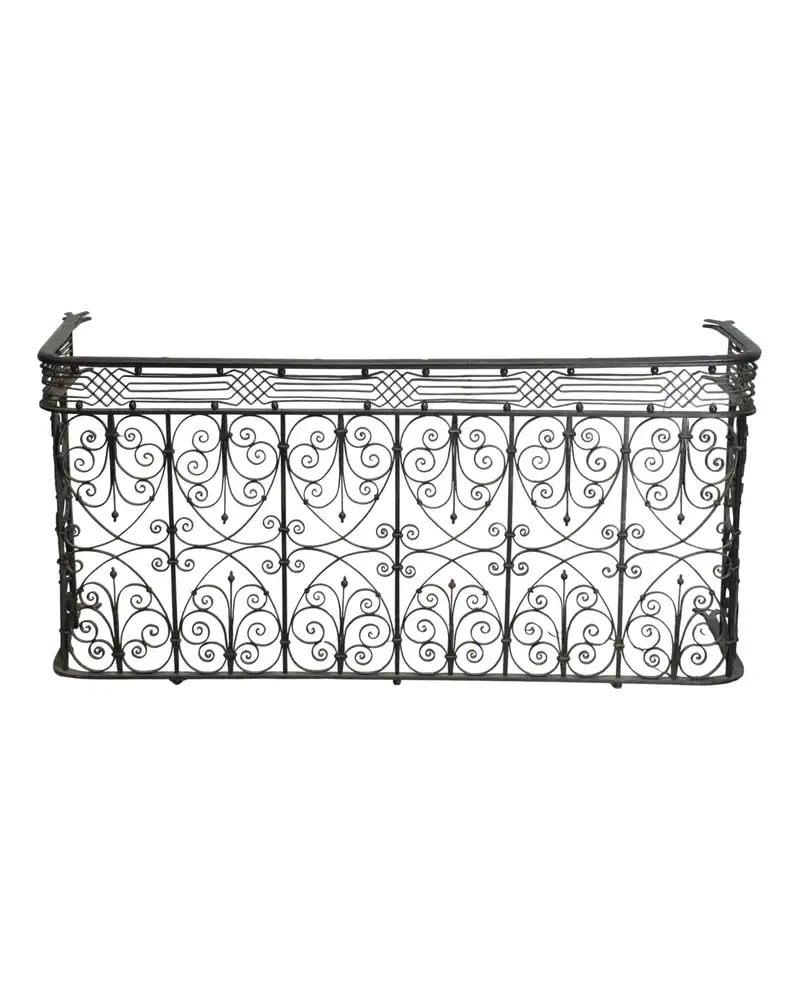
19th Century Wrought Iron Modernist Balcony
Del Hierro · Madrid
2.950 €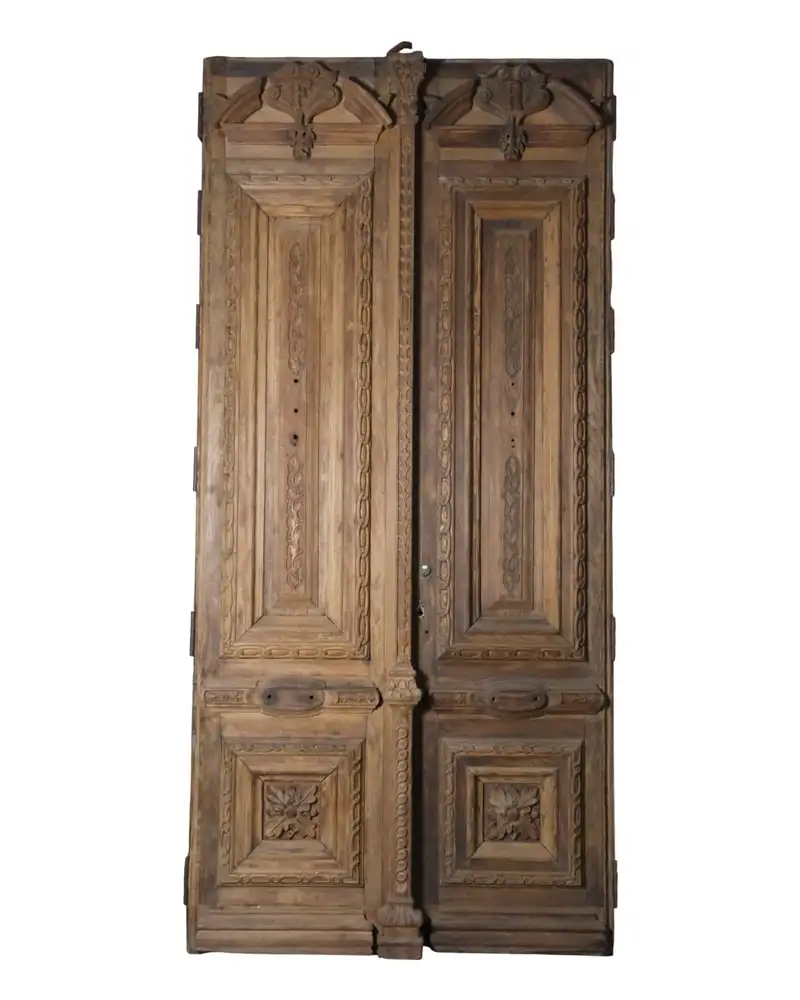
Entrance Gate, 19th Century
Portantica · Madrid
3.725 €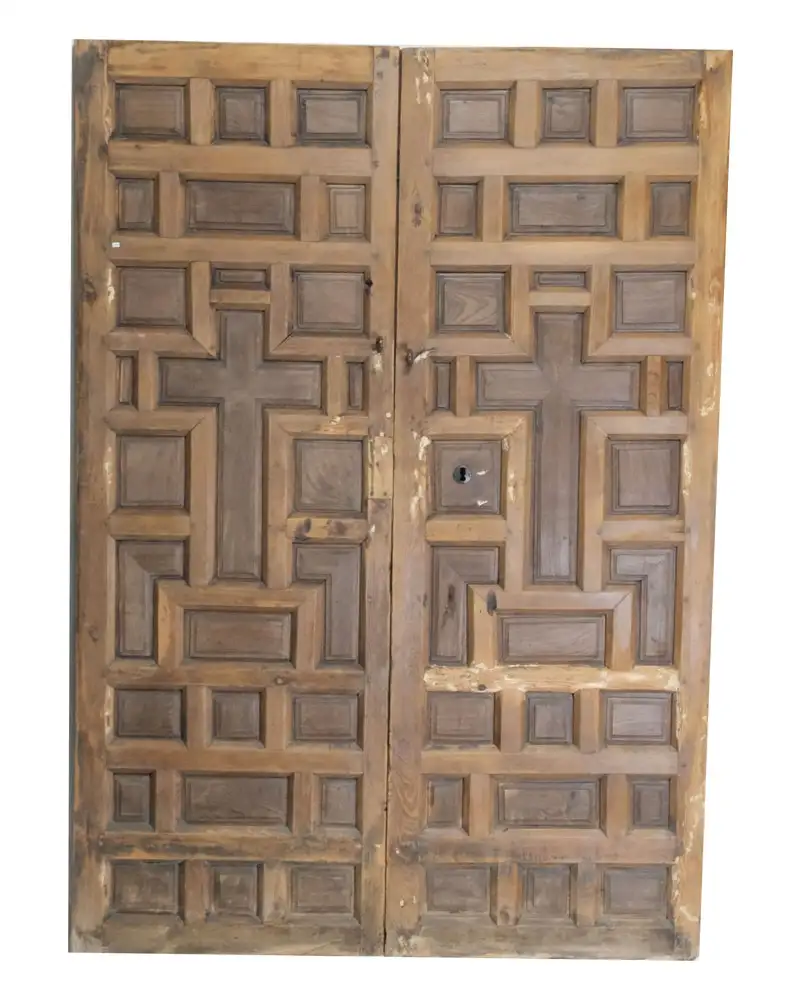
Castilian Door, 17th Century with Central Cross
Portantica · Madrid
1.475 €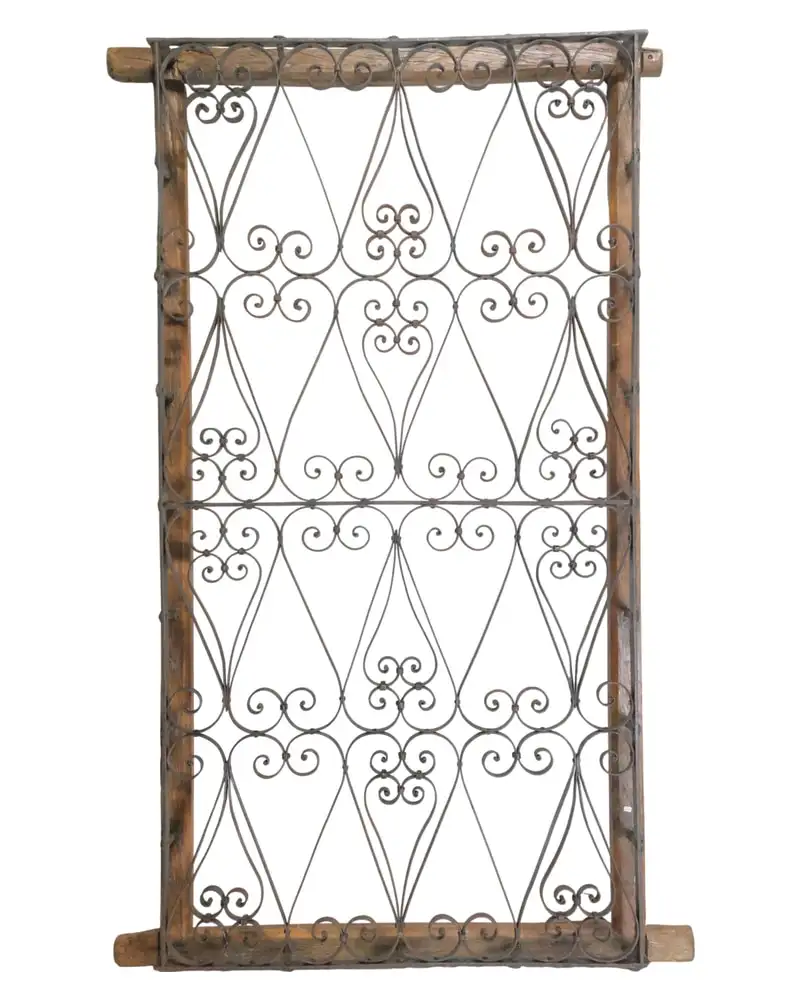
Large Decorated Iron Grille, 19th Century
Del Hierro · Madrid
1.200 €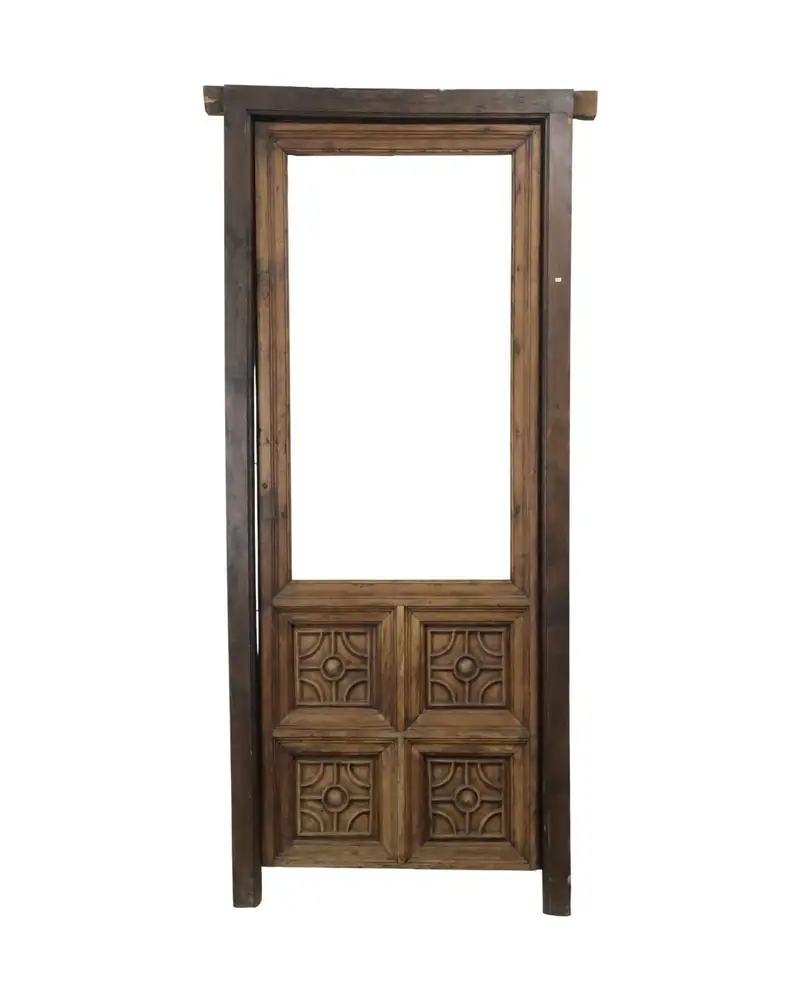
Glazed Door with Panels, 19th Century
Portantica · Madrid
750 €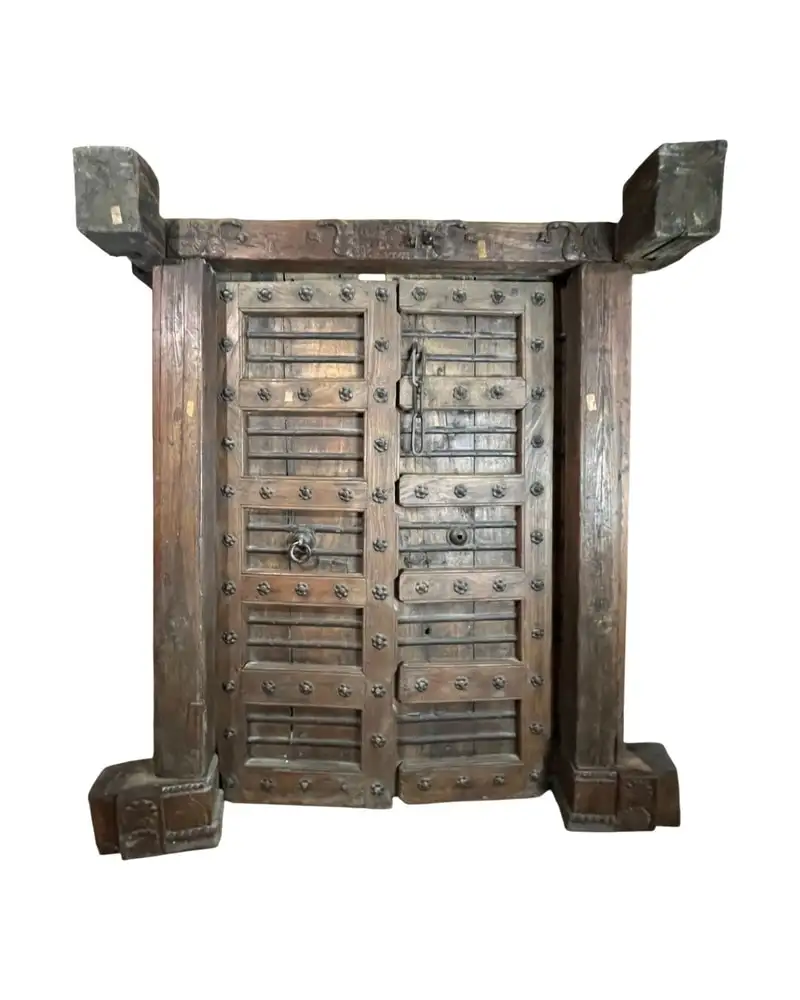
Haveli Door from India, 19th Century
Portantica · Madrid
990 €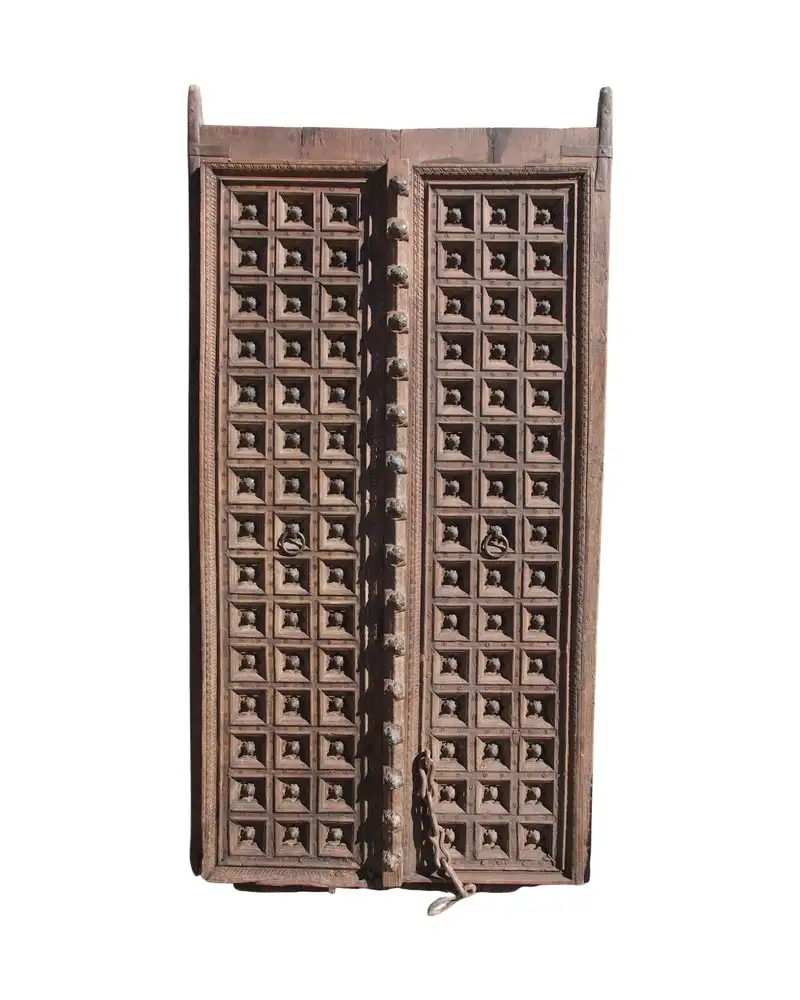
Large 19th Century Haveli Door
Portantica · Madrid
990 €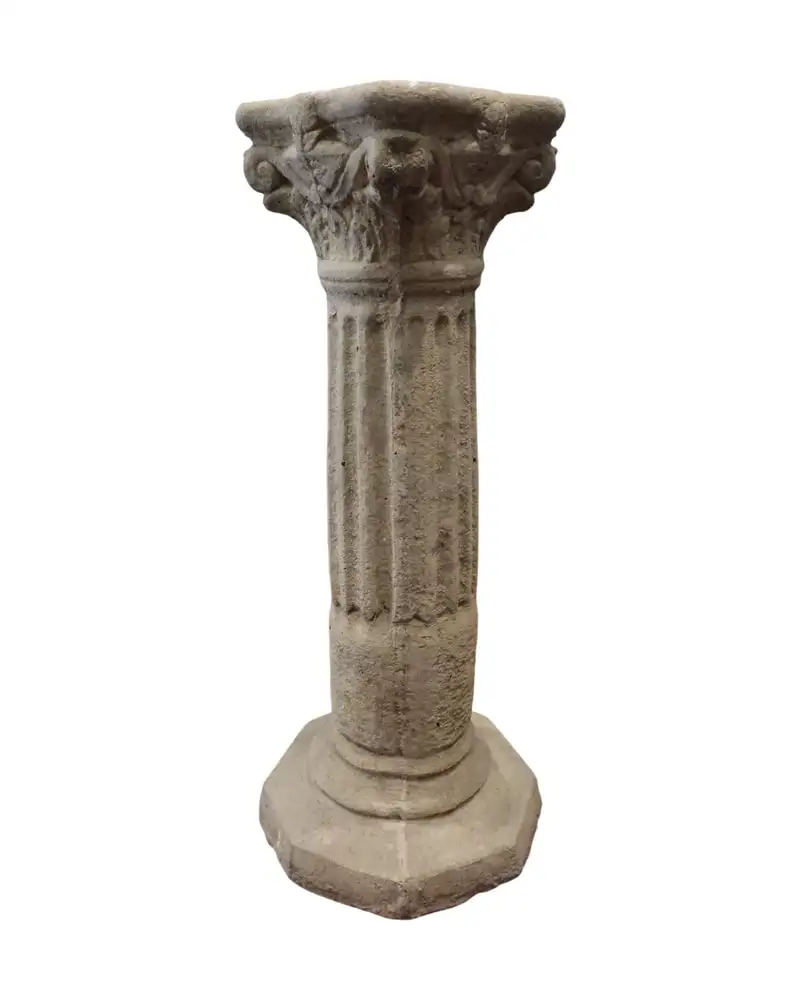
Imitation of Corinthian Column, 20th Century
El Rincón de Viriato · Madrid
300 €