
Chairs
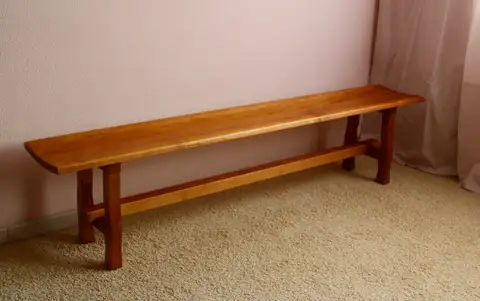
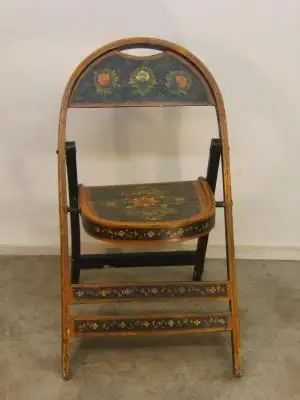
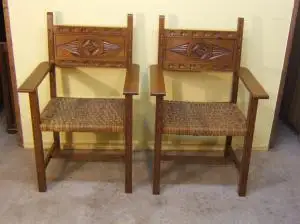
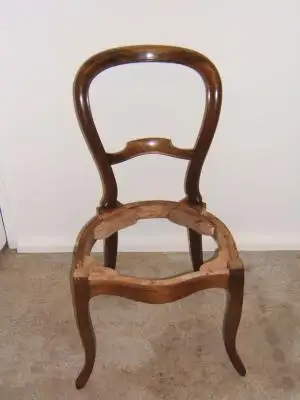
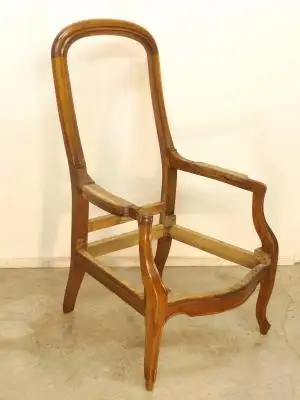
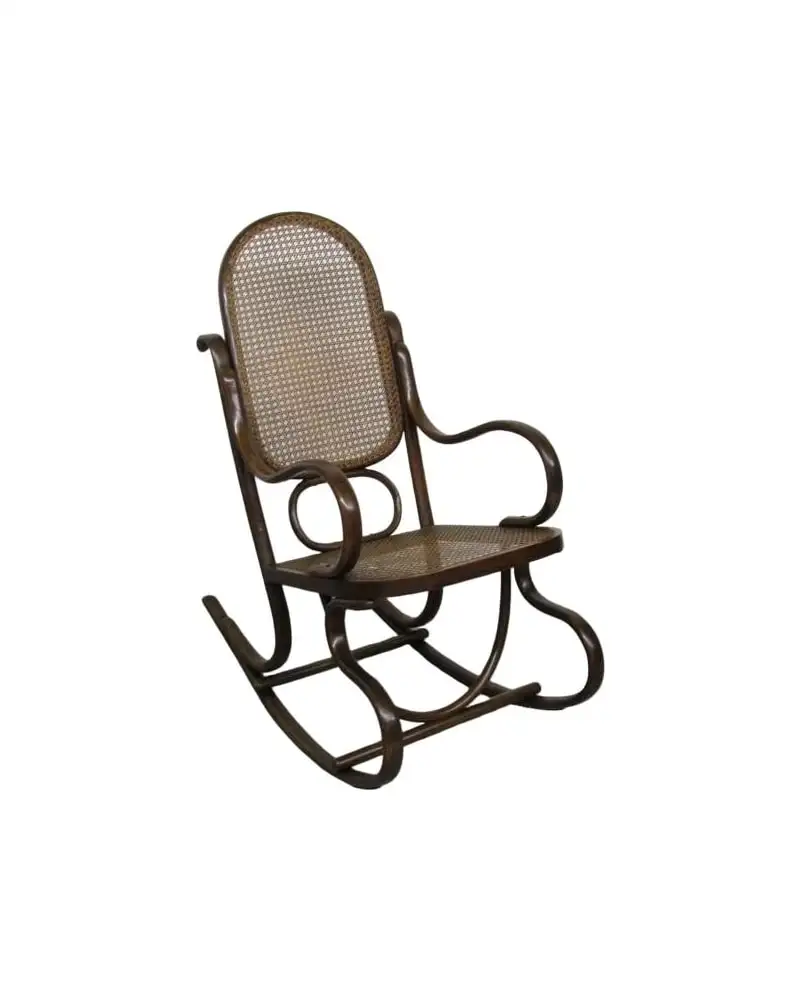
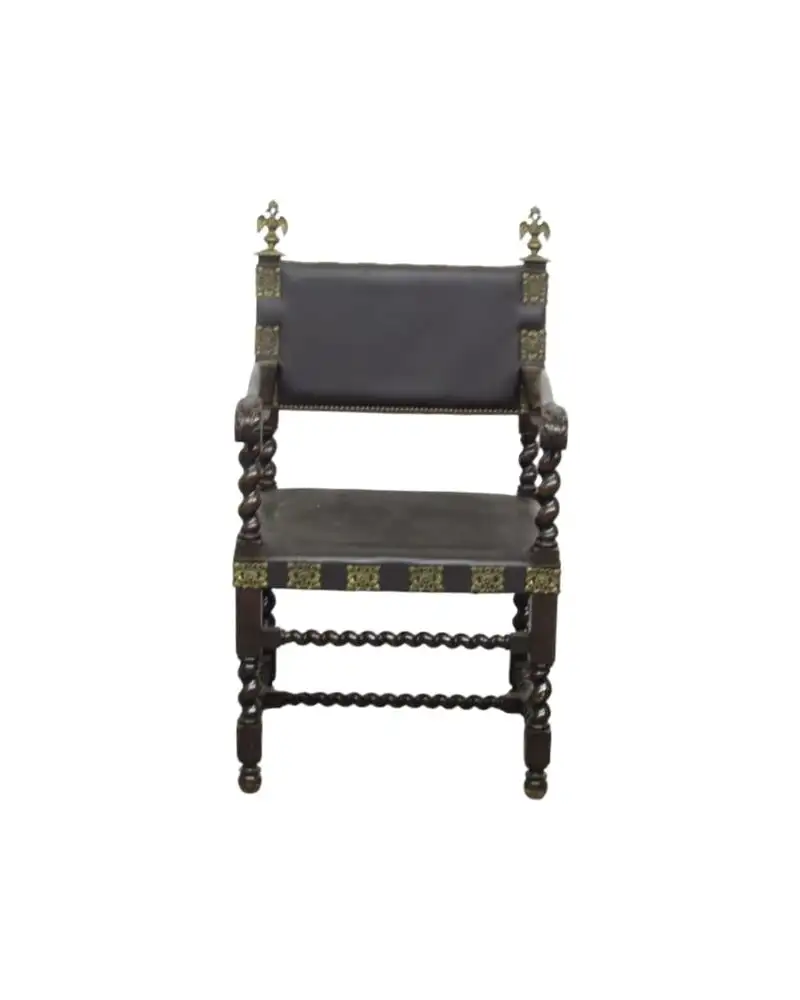
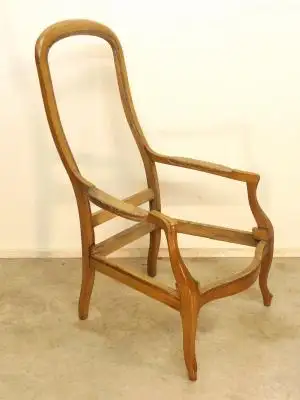
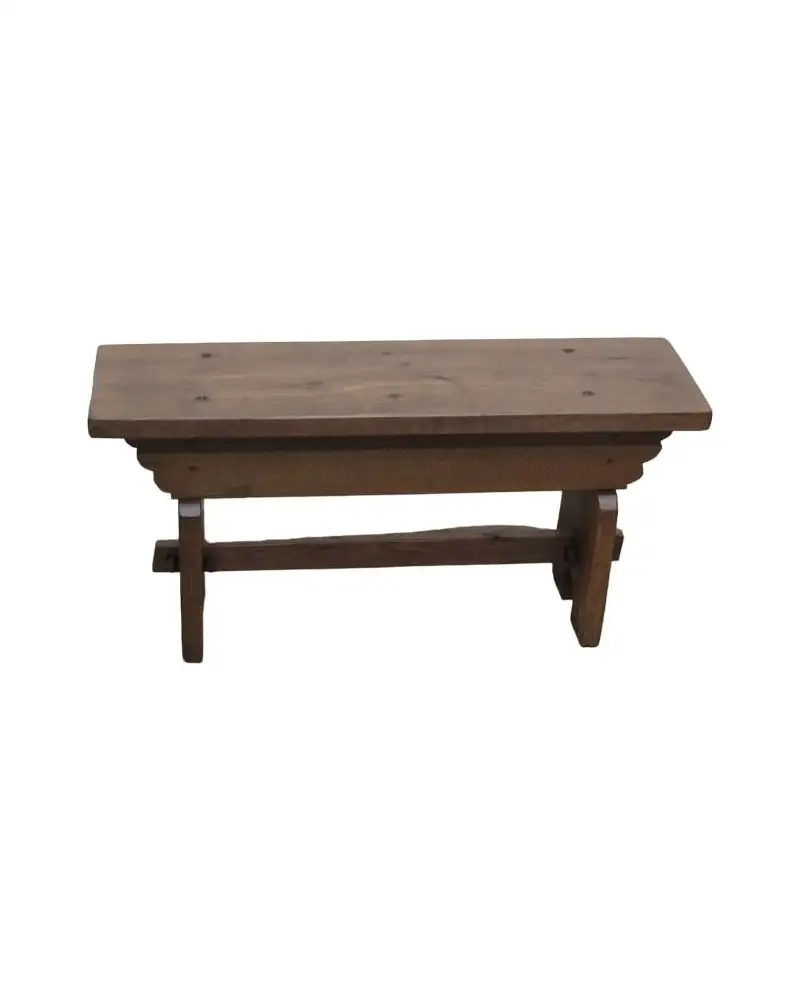
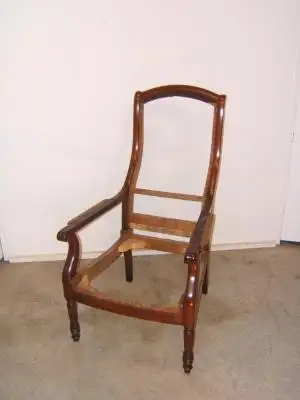
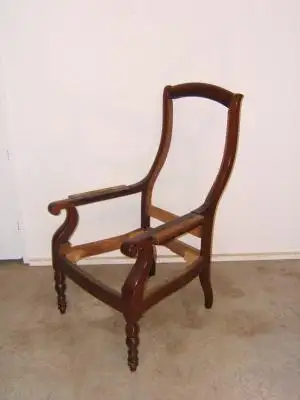
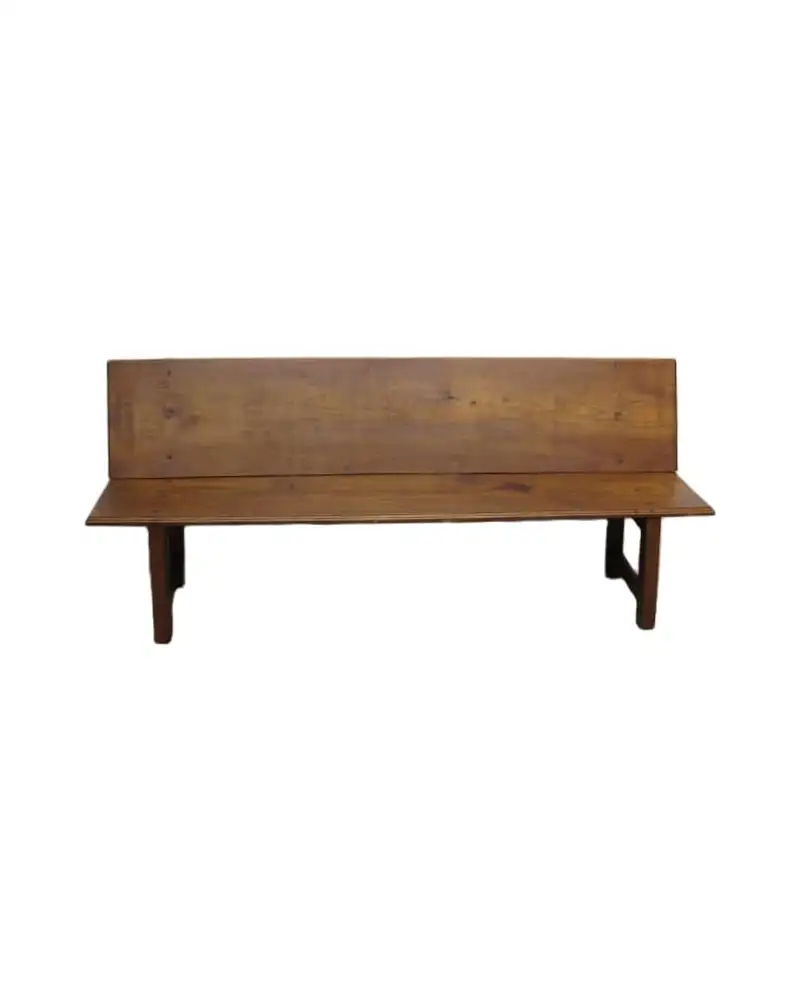
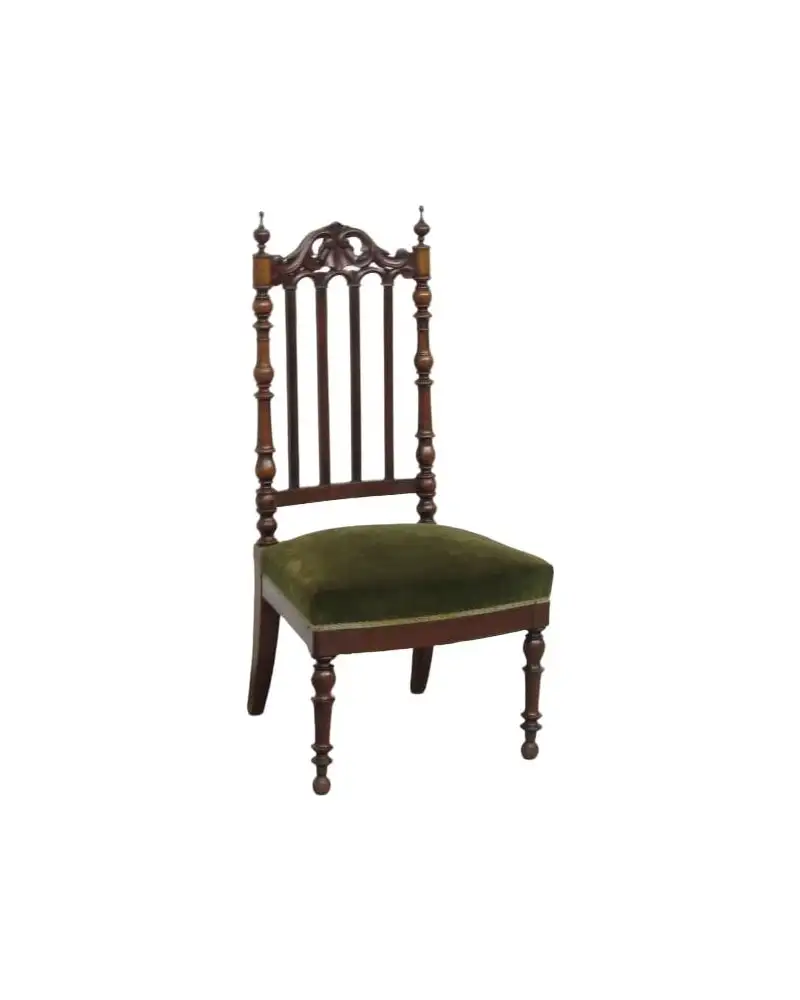
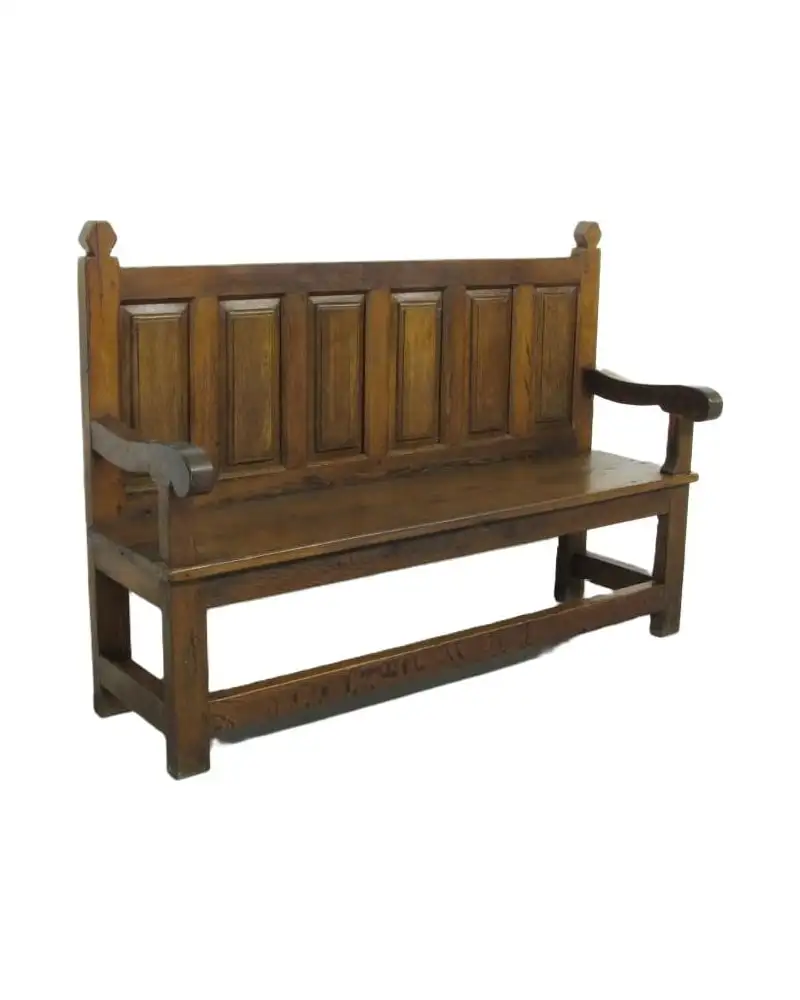
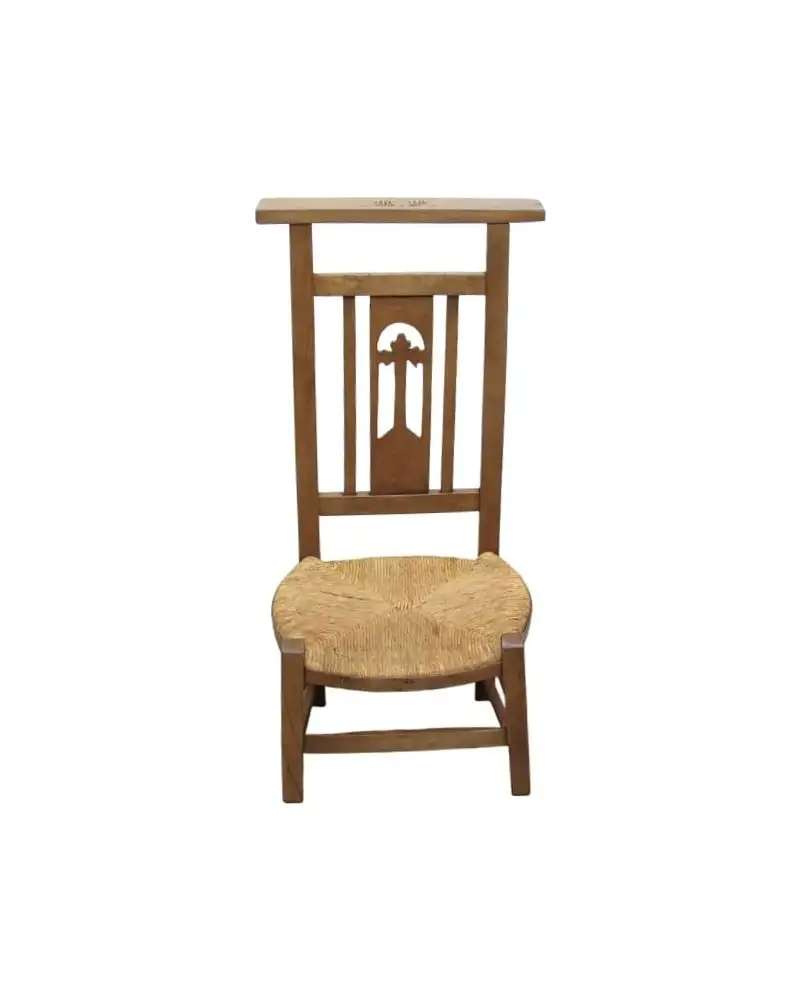
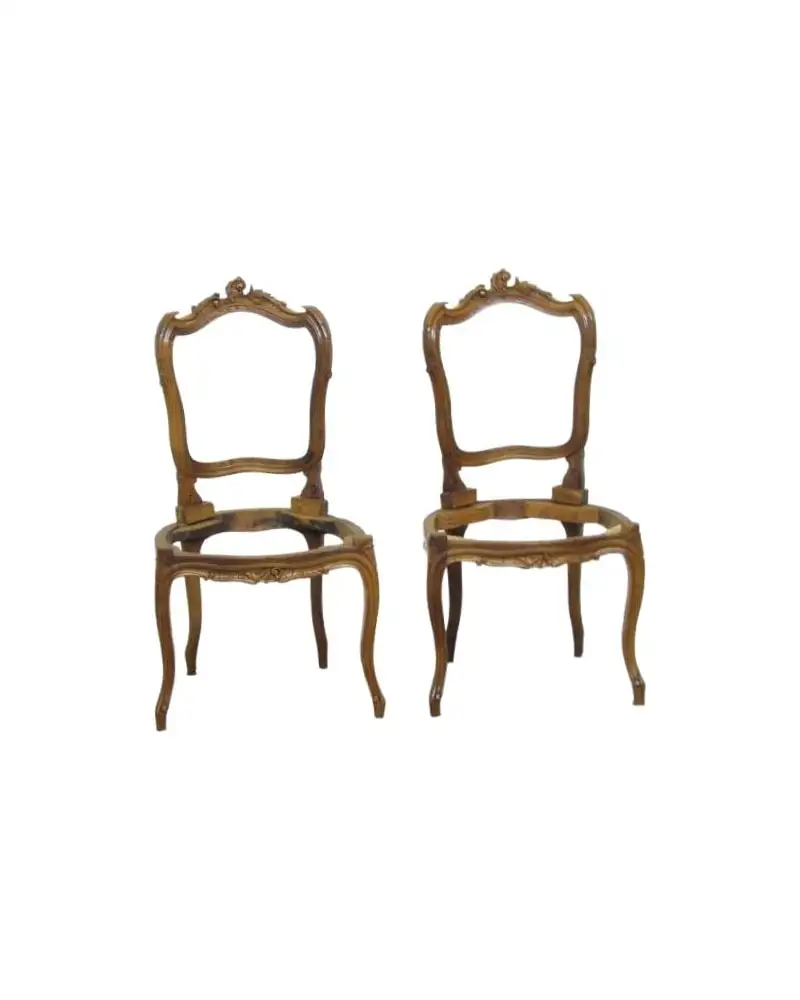
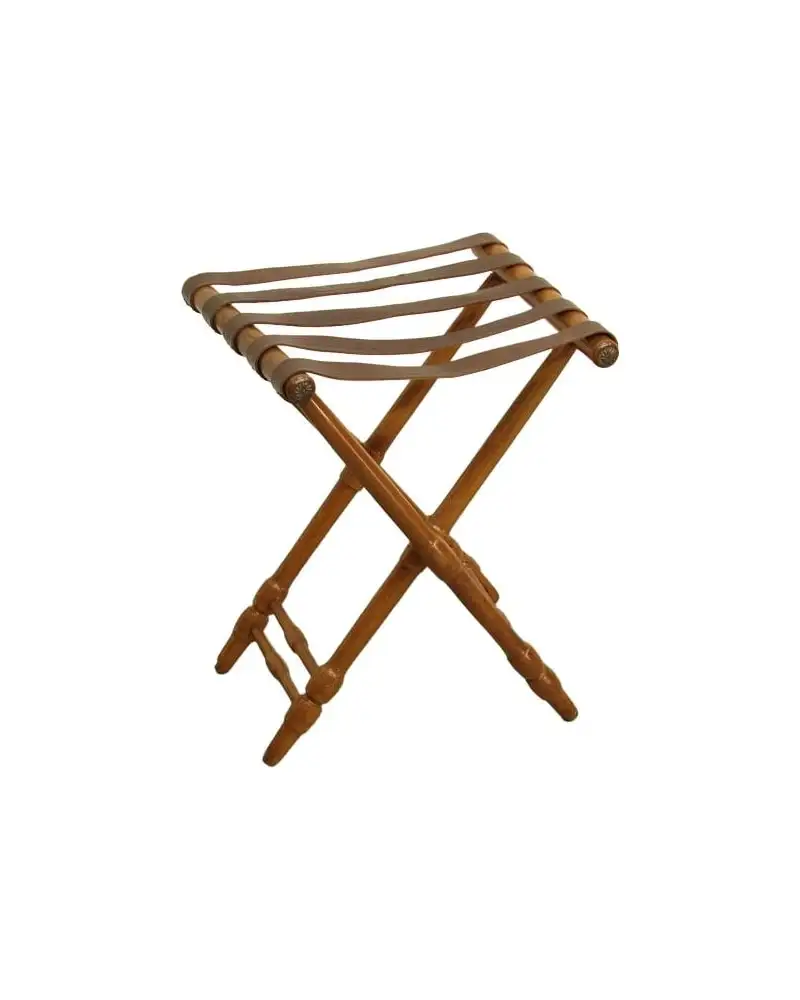
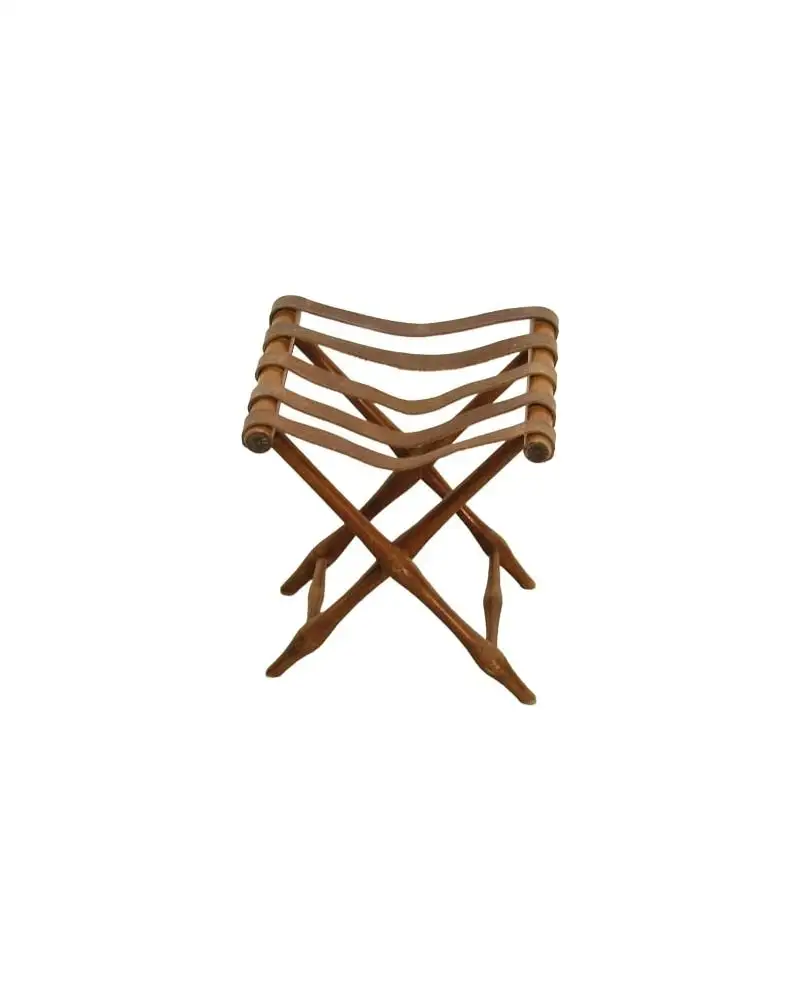
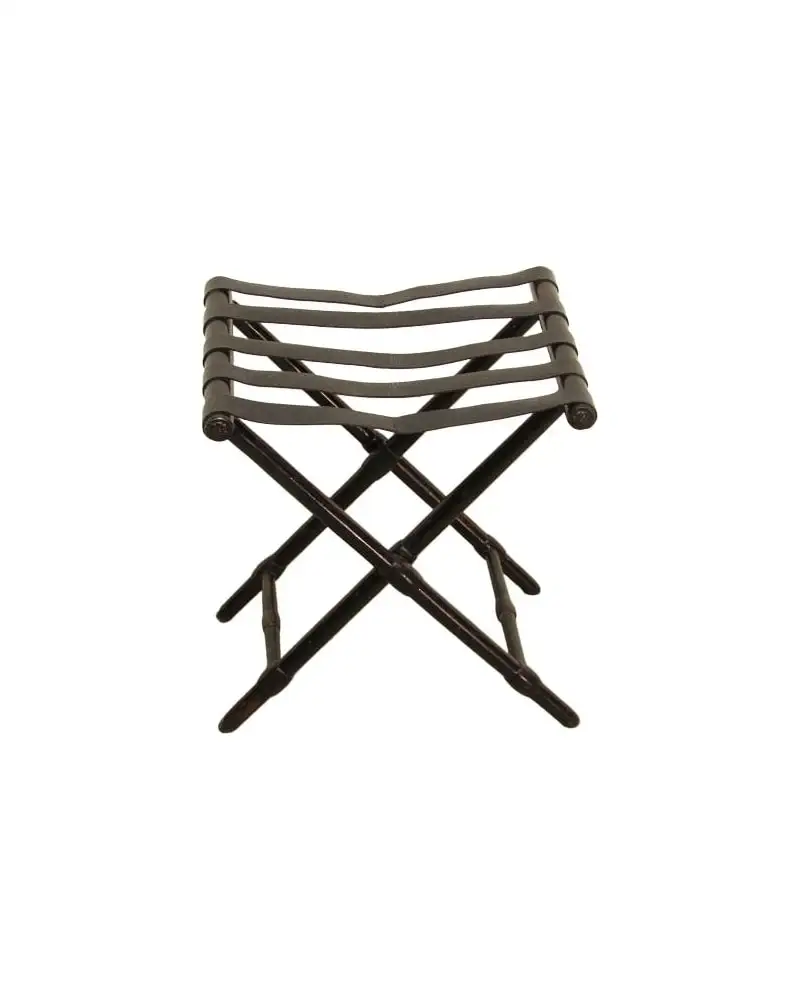
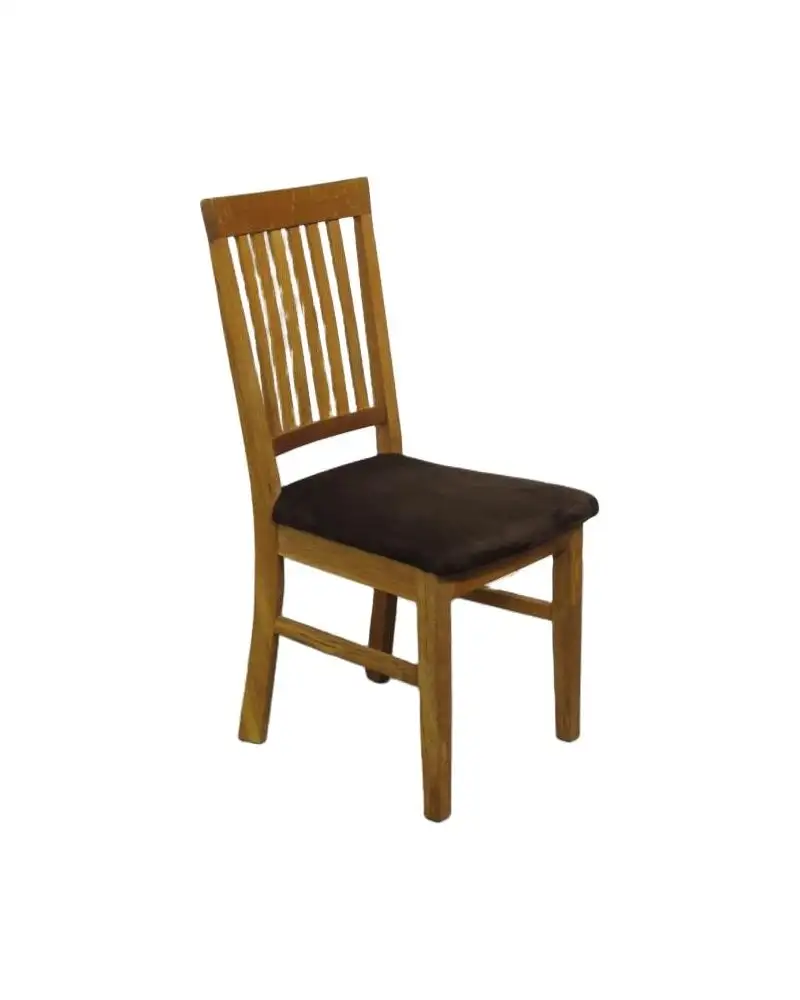
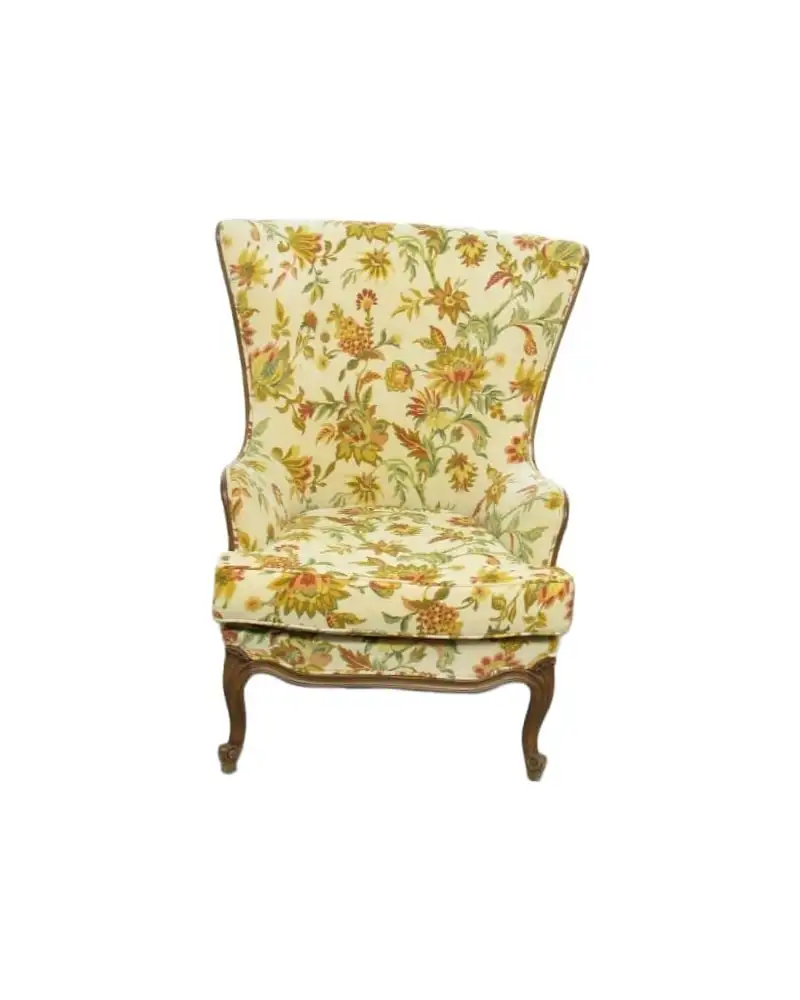
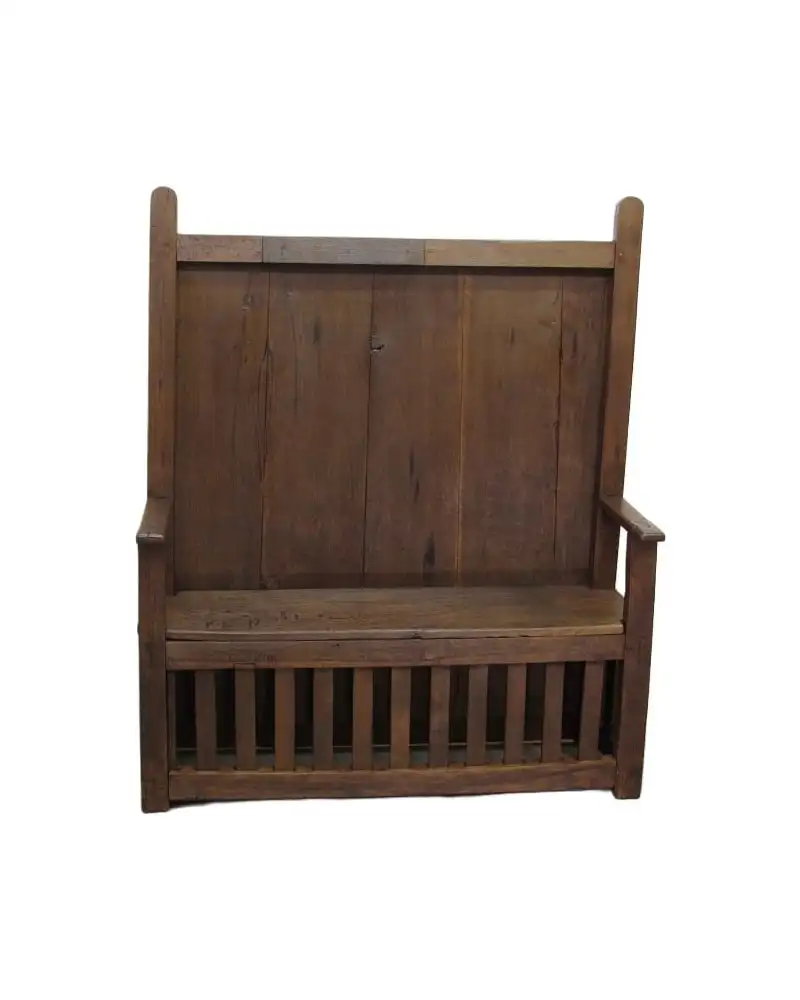
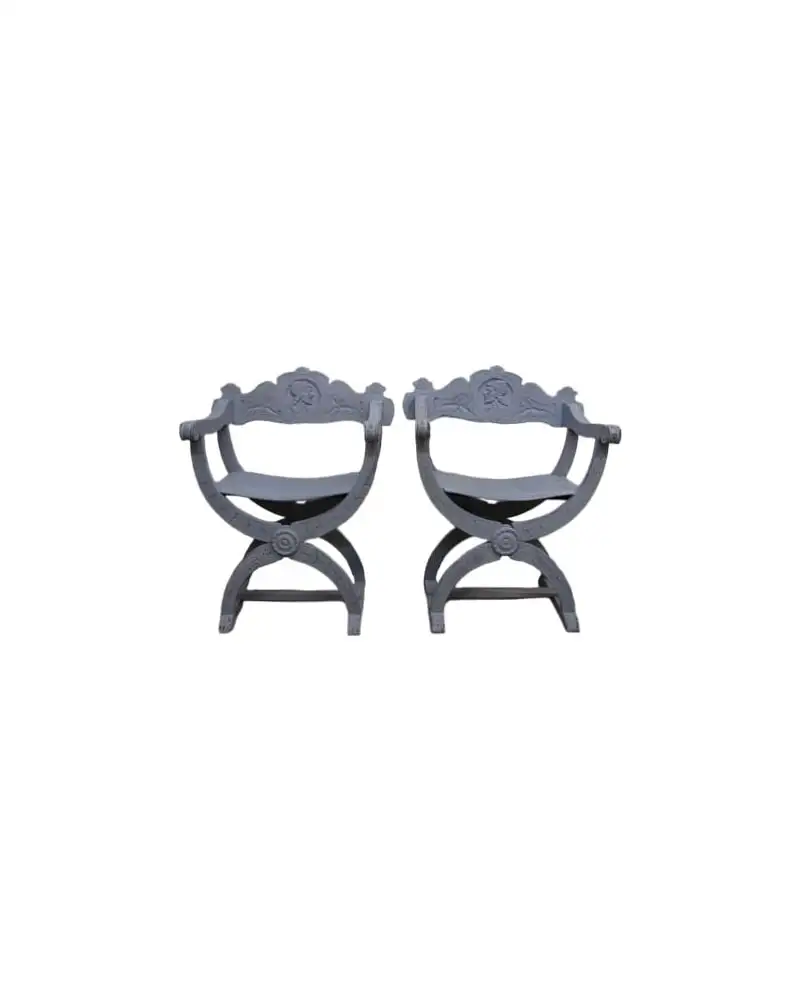
Antique chairs and seating reflect centuries of evolution in design and comfort. From Castilian friar chairs to upholstered Victorian armchairs, each piece reveals the tastes and trades of its era. Our selection includes dining chairs, benches, stools, and armchairs from various periods and origins.
Buying tips
Before buying an antique chair, sit in it to check its stability. Examine the leg joints, seat integrity, and condition of any upholstery. A chair with loose stretchers can be restored, but wood with active woodworm needs treatment.
About this selection
Chairs: pieces from professional dealers in Spain, listed on Antiga with a full description and direct contact with each shop. Listed prices range from 65 € to 12.500 €, with a median of 535 €. The middle half of the priced pieces falls between 225 € and 2.800 €. The final price depends on each piece's period, condition and provenance, and the dealer sets it. Some pieces do not show a price; in that case ask the shop directly.
The most common periods are 19th century, First half of the 20th century and 18th century; each piece's date is the one the dealer states on its listing. Most common materials: mixed materials, wood and textiles.
The pieces are offered by dealers with a shop in Madrid, Mataró, Iruñela and Valencia. Each listing leads to the dealer's shop with all of their listed pieces. Antiga's glossary explains terms that appear in this selection, linked below.
Antiga does not take part in the sale: it puts you in direct contact with the shop, which tells you about condition, measurements and delivery. Ask the dealer about restorations, exact measurements and extra photographs before you decide.
In the glossary:Neoclassical
What is it worth? Price guide →
Frequently asked questions
- Are antique chairs comfortable to sit in?
- It depends on the style. Victorian armchairs and French bergères are very comfortable. 17th-century dining chairs are firmer but can be improved with a cushion. Many collectors pair antique pieces with modern cushions.
- How to detect woodworm in antique chairs?
- Look for small round holes (1–2 mm) and fine wood dust beneath the piece. If the dust is fresh and light-coloured, the woodworm may be active. Professional treatment with an injection of specific product usually resolves the problem.
- Can you reupholster an antique chair without losing value?
- Yes, as long as the original frame is preserved. Many dealers recommend period fabrics or faithful reproductions. If the original upholstery is in good condition, it is better to keep it, as it adds authenticity and can increase value.
- Chairs: how much do they cost?
- Prices listed on Antiga range from 65 € to 12.500 €, with a median of 535 €. They depend on each piece's period, condition and provenance; each dealer sets their own.
- Chairs: which periods and materials are they?
- The most common periods are 19th century, First half of the 20th century and 18th century. Most common materials: mixed materials, wood and textiles.