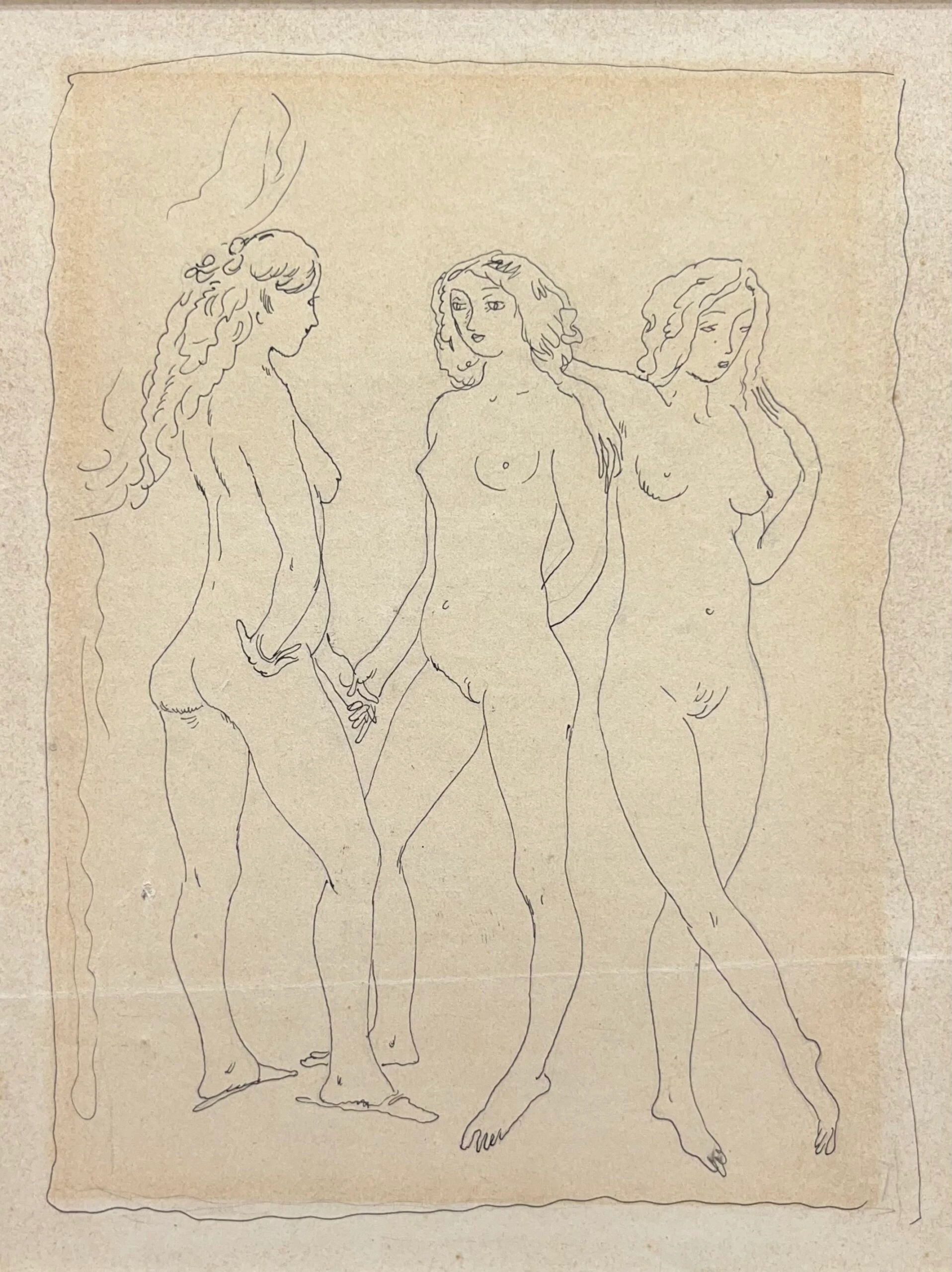
Pascin – The Three Graces
Art & Paintings
Dealer's asking price
7.500 €

Antiga does not take part in the purchase. You agree price, payment and delivery directly with the dealer.
- Address
- Madrid, Spain
- Website
- ladron-de-guevara.de
Description
Jules Pascin, alias Julius Mordecai Pinkas
(1885 Widin – 1930 Paris)
THE THREE GRACES
Drawn in 1907 in Paris
Black ink on paper, 18 x 11 cm (mat cut-out)
Provenance:
Collection Frederic Stern, Paris
Exhibition & Literature:
Paris, Galerie Romanet, Trois cents aquarelles et dessin. Renoir à Picasso, 1963
Expertise by Rosemarie Napolitano from the Comité Pascin, Paris, 26.11.2024
Ernest Hemingway befriended Pascin in Paris during the 1920s and dedicated a chapter to him in "A Moveable Feast" (German title: "Paris, ein Fest fürs Leben"). "Pascin was a very good painter, and he was drunk, constantly, willfully drunk, but clear-headed." Indeed, Pascin painted like a possessed man despite or perhaps because of his condition, creating thousands of paintings and sketches, painting against the depression that he succumbed to in 1930.
In the expressionist work of Jules Pascin, everything revolves around the erotic female nude. Apart from portraits, he hardly painted anything else and made a name for himself especially in Paris during the 1920s. His "Three Graces" were created during his first time in Paris, where he attended the Ecole Matisse after academic training in Bucharest, Vienna, Munich, and Berlin starting in 1905 and worked as an illustrator. In Munich, he worked for the satirical magazine "Simplicissimus," joined the Secession in Berlin, and became acquainted with German Expressionism. Both had an influence on his work. In particular, the cheeky erotic works of George Grosz and Otto Dix had a lasting impact on him.
"The Three Graces" have been an indispensable motif in art since antiquity. Few artists have not attempted this subject. Compared to Thorvaldsen's Graces, for example, Pascin's figures appear quite relaxed. At first glance, they are just three young beauties with loose hair, one in slippers, yet immediately recognizable as "The Three Graces" due to the tradition of the image. Pascin followed the academic tradition with a mocking wink. Ultimately, the motif has always been a welcome opportunity to stifle the protests of any moral guardians at the outset. Three naked women? No problem, they are goddesses...
Machine translation. The seller's original text prevails.
Specifications
- Object
- Art & Paintings
Listed on 28 March 2026
Dealer
Similar pieces
Oil Painting Horses by Ramón Borrell
Lorena Muñoz García · Málaga
600 €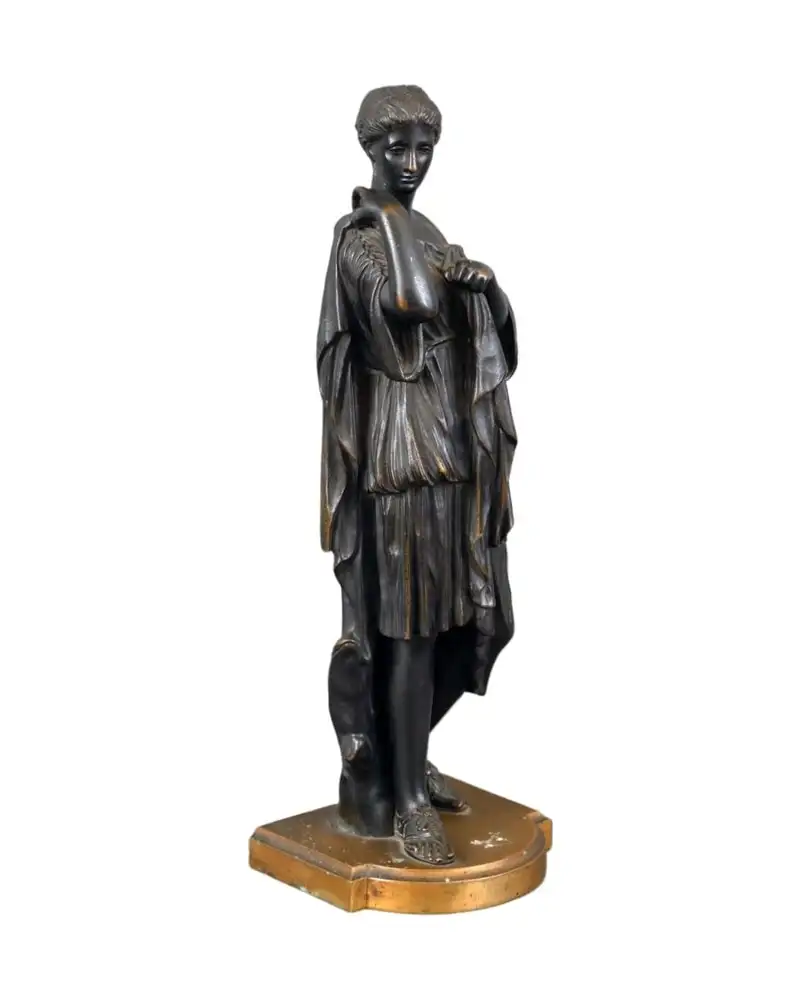
Bronze Sculpture of Diana of Gabii from the 18th Century
Ladrón de Guevara Fine Arts · Madrid
1.200 €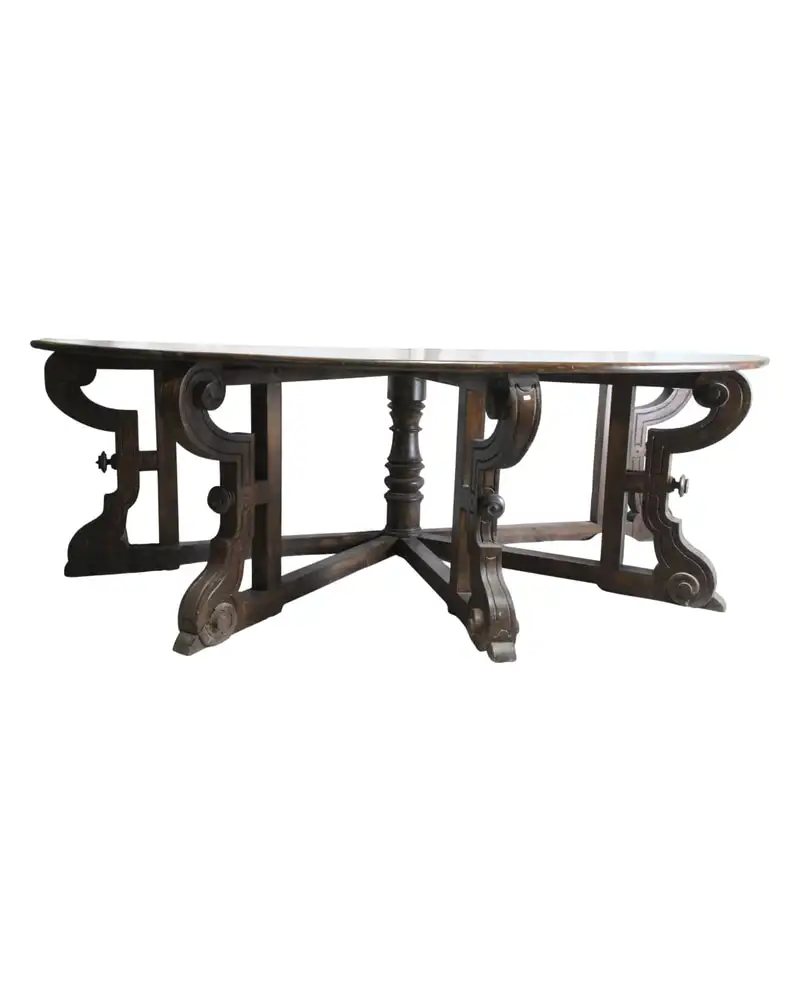
Frailera Table from the 18th Century of a Convent in Castilla
Portantica · Madrid
1.900 €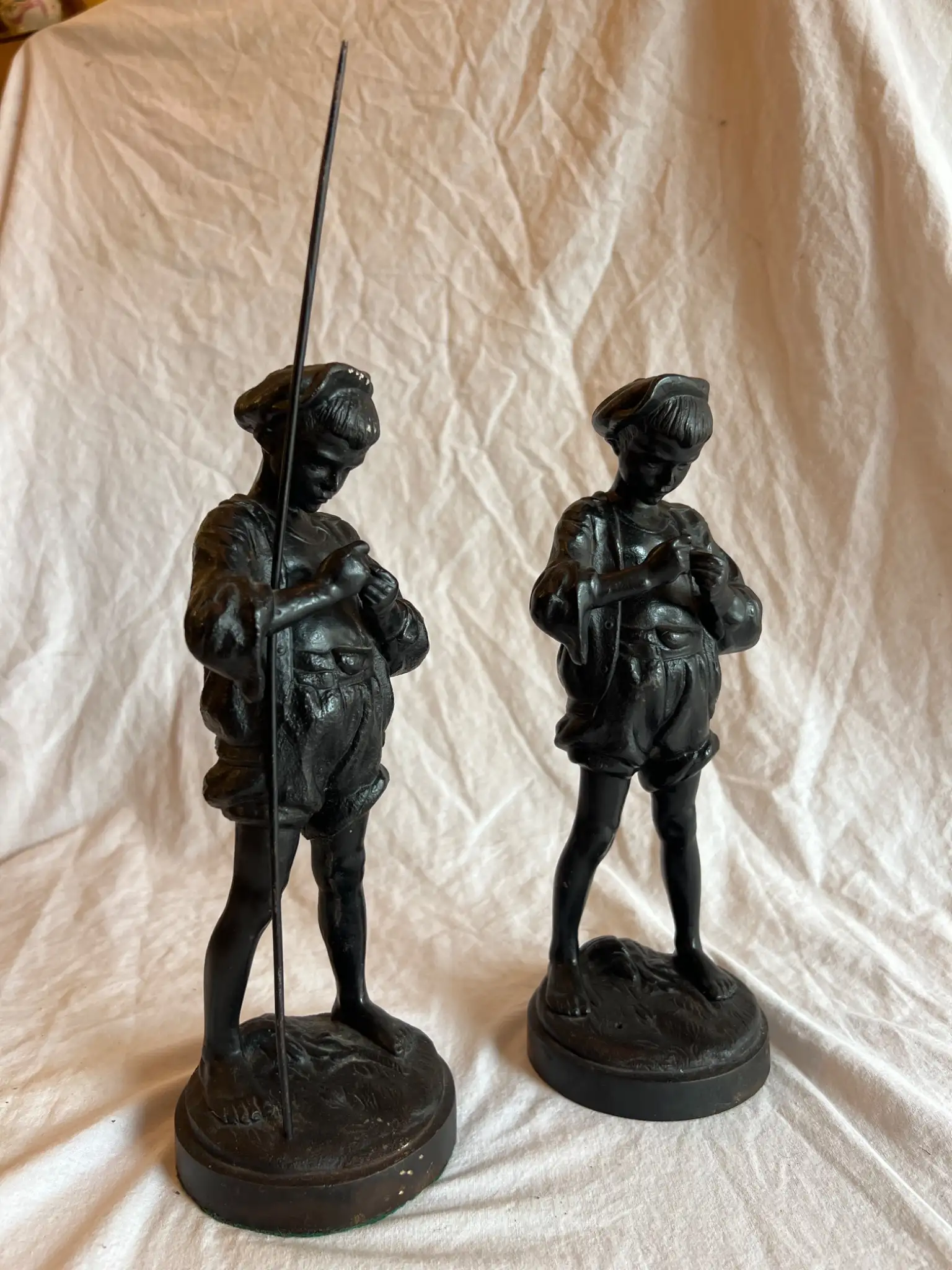
20th Century Metal Shepherd Figures
Mercedes Cabeza de Vaca · Madrid
300 €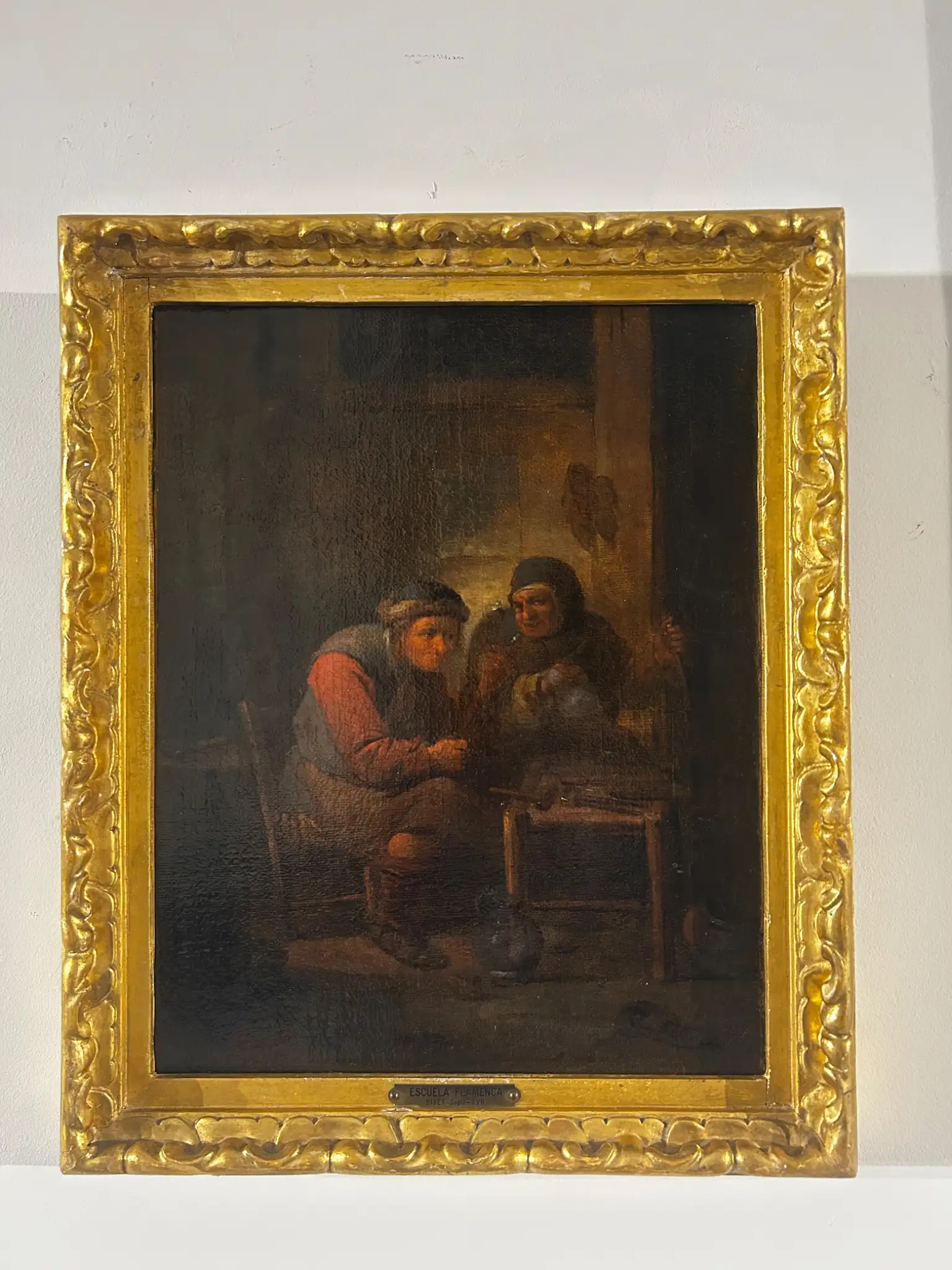
Oil on Canvas Dutch School of the 17th Century
Antique Arts · Madrid
2.000 €
Pair of Baroque Angels, 17th–18th Centuries
Antigüedades Calderón · Mataró
495 €
73
Galeria Mercedes Urquijo · Madrid
Price on request
135
Galeria Mercedes Urquijo · Madrid
Price on request