
History
Antique furniture styles by century
A journey through the great European furniture styles (from Baroque to Art Deco) with the keys to identifying each period.
Recognising the style of an antique piece of furniture is much more than an academic exercise: it lets you date the piece with some precision, assess its authenticity and even understand the social context in which it was made. In this guide we go through the main European furniture styles, with particular attention to Spain, from the seventeenth century to the first decades of the twentieth.
Baroque (seventeenth to early eighteenth century)
Baroque is characterised by decorative exuberance, curved forms and expressive carving. Baroque furniture tends to be imposing: large wardrobes, refectory tables, chests and friar’s chairs (fraileros). The most common wood is walnut, although in Spain pine was also widely used for vernacular pieces.
- Forms: bold and voluminous, with the curve predominating.
- Decoration: deep carving, Solomonic (twisted) columns, plant motifs.
- Legs: turned, bun feet or lion’s paws.
- Materials: walnut, chestnut, oak. Wrought iron for the fittings.
Rococo (mid-eighteenth century)
Rococo is an evolution of Baroque towards lighter, more ornamental forms. It was born in France and spread across Europe. Lines lighten, decoration becomes more delicate, and materials such as lacquer and floral marquetry appear. In Spain its influence was more moderate, but it can be seen in the furniture of the court and noble houses.
- Forms: elegant curves, cabriole legs, asymmetrical profiles.
- Decoration: rocaille, flowers, chinoiserie, gilding.
- Materials: light woods, lacquer, gilt bronze.
- Typical pieces: bombé commodes, console tables, carved mirrors.
Neoclassical (late eighteenth to early nineteenth century)
As a reaction to the exuberance of Rococo, Neoclassicism returns to the forms of Greco-Roman antiquity: straight lines, symmetry, balanced proportions and restrained decoration. It was the dominant style in Spain during the reigns of Charles III and Charles IV.
- Forms: straight and geometric, with strict symmetry.
- Decoration: garlands, medallions, fluted columns, classical motifs.
- Legs: straight, tapering or fluted.
- Materials: mahogany, walnut, fruitwoods. Bronze and marble as accents.
Empire (first third of the nineteenth century)
The Empire style was born in Napoleonic France and is the most monumental and solemn version of Neoclassicism. Furniture is massive, with plain mahogany surfaces and gilt-bronze mounts. In Spain the style is also known as Fernandino, after its association with the reign of Ferdinand VII.
- Forms: severe and massive, with architectural lines.
- Decoration: sphinxes, eagles, palmettes, Egyptian and military motifs.
- Materials: dark mahogany, gilt bronze, marble.
- Typical pieces: sleigh beds, columned commodes, secretaires.
Isabelline style and eclecticism (mid-nineteenth century)
The Isabelline period in Spain (1833–1868) and Victorian eclecticism elsewhere in Europe are characterised by a free mixing of historical styles. Furniture combines Gothic Revival, Renaissance Revival and neo-Baroque elements with some freedom. It is an age of large-scale industrial production, and furniture begins to become more affordable.
- Forms: varied, mixing historical references.
- Decoration: abundant carving, rich upholstery, deep buttoning.
- Materials: rosewood, walnut, mahogany. Stained woods imitating fine species appear.
- Typical pieces: armchairs, corner cabinets, tilt-top tables, display cabinets.
Art Nouveau / Modernisme (late nineteenth to early twentieth century)
Art Nouveau breaks with nineteenth-century historicism and proposes a new language inspired by the organic forms of nature: sinuous lines, stylised floral motifs and a complete integration of decorative arts and architecture. In Spain the movement reached exceptional expression in Catalonia with Modernisme.
- Forms: organic, asymmetrical, with flowing lines.
- Decoration: flowers, insects, female figures, stained glass.
- Materials: exotic woods, glass, ceramics, wrought iron.
- Typical pieces: designer furniture, Tiffany lamps, carved frames.
Art Deco (1920s to 1940s)
Art Deco represents the modernity and glamour of the interwar years. Forms become geometric, materials diversify and ornament is stylised under the influence of the artistic avant-gardes. Art Deco furniture combines elegance and function with an unmistakable look.
- Forms: geometric, stepped, streamlined.
- Decoration: zigzags, sunbursts, abstract geometric motifs.
- Materials: Macassar ebony, lacquer, chrome, glass, shagreen (galuchat).
- Typical pieces: dressing tables, cocktail cabinets, club armchairs.
How to use this guide
Identifying the style of a piece of furniture is the first step to dating and valuing it. But remember that many pieces do not fit neatly into a single style: transitional styles, vernacular versions of courtly styles and regional production create a rich variety. Knowing the main features of each period will give you a solid basis for interpreting what you find on the market.
Discover each style
Browse our catalogue and filter by category to find pieces from your favourite period.
See the catalogue →Tell me about new pieces
Once a week, the pieces dealers have just published. Unsubscribe with one click.
Pieces of this kind
There are no published pieces of this exact kind right now. Here are pieces from the closest category.
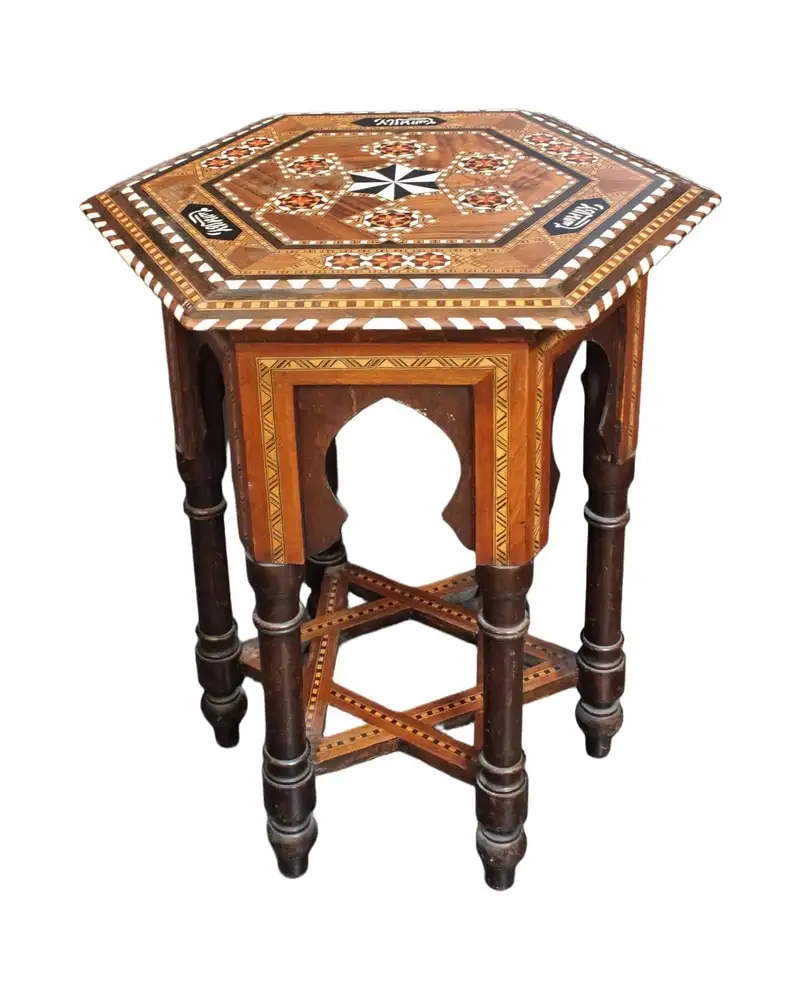
Mesa de Taracea, S.XIX
Juno Arte S.l · Granada
450 €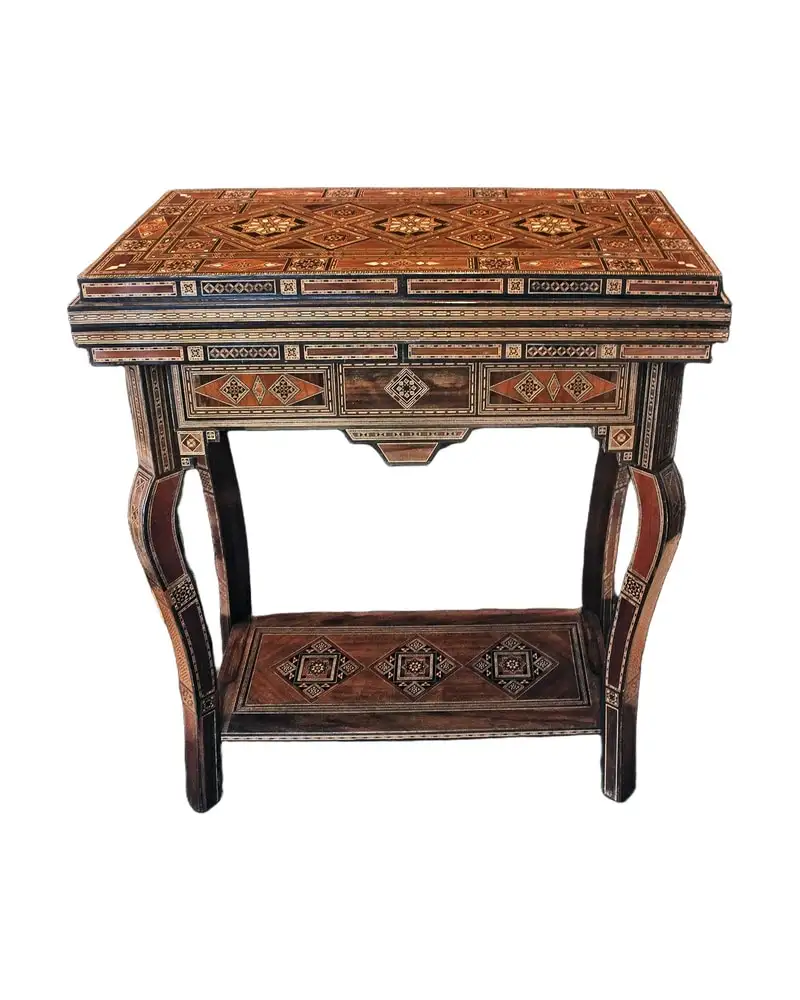
Mesa de juego en taracea con varias incrustaciones, S.XIX - XX
Juno Arte S.l · Granada
1.500 €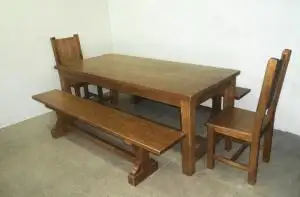
Mesa de roble rústica
Zumadia Antigüedades · Iruñela
Price on request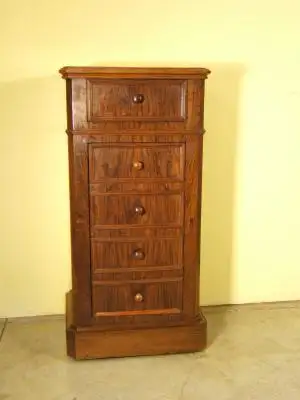
Mesilla antigua alta restaurada
Zumadia Antigüedades · Iruñela
350 €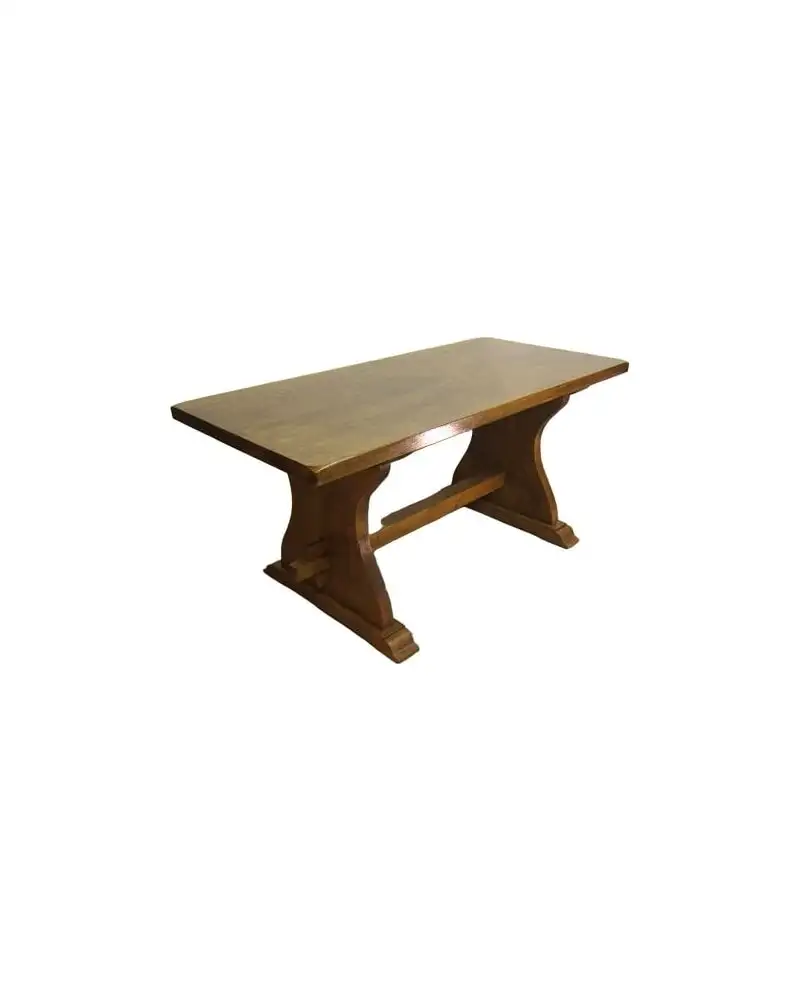
Mesa de roble
Zumadia Antigüedades · Iruñela
Price on request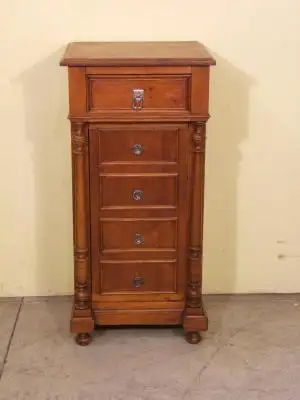
Mesilla antigua de cerezo restaurada
Zumadia Antigüedades · Iruñela
300 €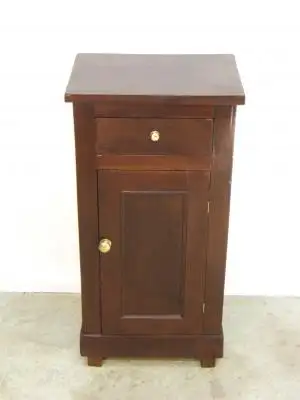
Mesilla antigua de caoba
Zumadia Antigüedades · Iruñela
300 €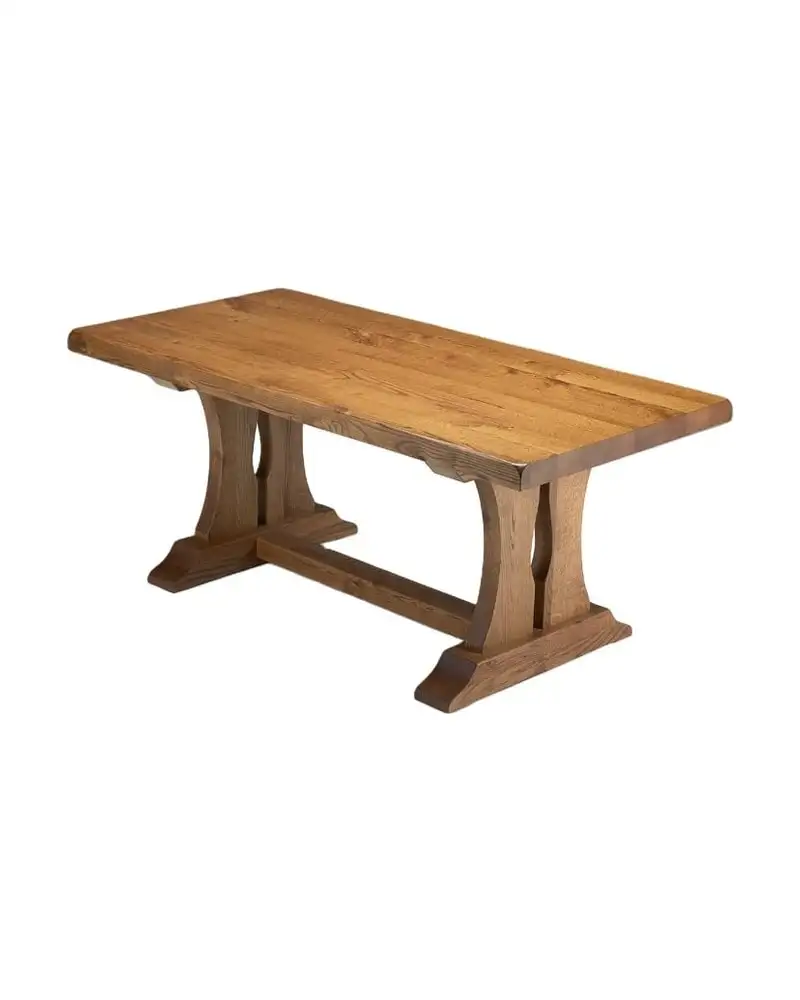
Solid oak rustic table
Zumadia Antigüedades · Iruñela
Price on request