
Authentication
Marble, alabaster, terracotta or biscuit: how to tell what a sculpture is made of
Weight, temperature, translucency, hardness, texture and marks: how to tell a marble sculpture from an alabaster one, recognise terracotta and biscuit porcelain, and spot plaster, resin and reconstituted marble.
A white figure may be marble, alabaster, biscuit porcelain, plaster or resin. A reddish or black figure may be terracotta, patinated plaster or painted resin. The difference in value between these materials is enormous, and listings do not always get it right. With a few simple checks, none of which harms the piece, you can settle the question in most cases.
Marble
Marble is a stone made up of calcite crystals. It is heavy and cold to the touch, even in a warm room, because it draws heat from your hand. In breaks or unpolished areas you can see a crystalline, sugar-like structure that glints slightly as you turn the piece in the light. Fine statuary marble, such as Carrara, lets some light through at thin edges. It often has veins or small grey spots. Reductions of classical sculptures, like this Medici Venus, were often carved in white marble.
Marble can be scratched with a steel point, but not with a fingernail. It is sensitive to acids: lemon, vinegar or acidic cleaners strip its polish and leave dull marks.
Alabaster
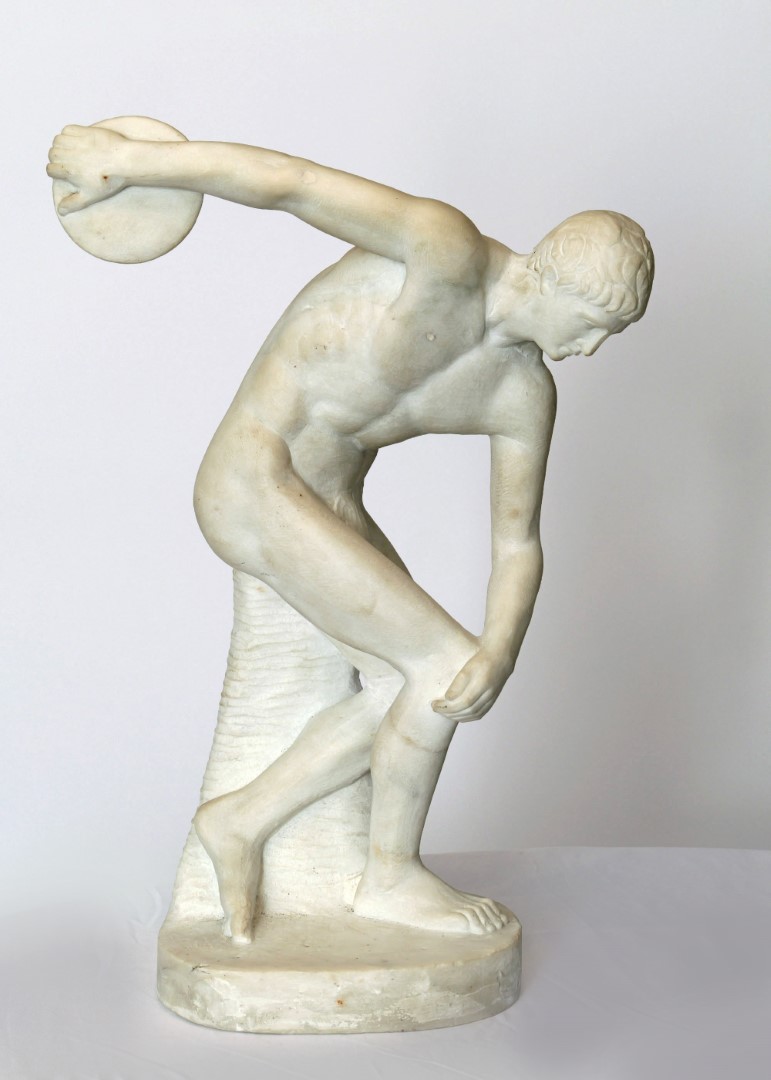
In European decorative sculpture, ‘alabaster’ usually means gypsum alabaster, a stone much softer than marble. During the nineteenth century the Tuscan town of Volterra was one of the great centres of alabaster carving, producing figures, vases and reductions of classical statues for travellers and drawing rooms, such as this Italian discus thrower. You can recognise it by:
- Greater translucency: held against the light, or with a torch placed behind a thin area, alabaster glows with a milky light.
- A warmer, waxier feel than marble, and less weight for the same size.
- Softness: a fingernail can mark it. That is why the edges of antique pieces are usually somewhat rounded and show small losses.
An important warning: gypsum alabaster must not be washed with water, because it is slightly soluble and loses its polish. Clean it only with a brush or a dry cloth.
Terracotta
Terracotta is fired, unglazed clay. It is porous, matt and slightly rough to the touch, and its colour ranges from light ochre to red, depending on the clay and the firing. Series-made figures were produced in moulds and are usually hollow, with a vent hole in the base. There, where there is no patina or paint, you can see the fired clay.
In the nineteenth century Denmark had a highly prized production of black terracotta, with figures and reliefs inspired by antiquity and by the sculptor Bertel Thorvaldsen. Leading workshops included that of P. Ipsen, in Copenhagen, and that of L. Hjorth, on Bornholm. Their pieces usually bear the mark impressed in the clay, and sometimes the word Eneret, which in Danish denotes an exclusive right of reproduction, as on this self-portrait of Thorvaldsen by Hjorth.
Biscuit porcelain
Biscuit porcelain (bisque) is porcelain fired without glaze. It has a matt white colour, a very fine grain and a smooth, almost velvety surface that recalls polished marble, yet it weighs less and is not cold like stone. From the eighteenth century it was used for figures and groups imitating marble sculpture. In the nineteenth century the Danish manufactory Bing & Grøndahl became famous for its biscuit figures after models by Thorvaldsen, such as this old scribe. Factory marks are usually found under the base. To identify them, see our guide to porcelain marks.
Imitations: plaster, resin and reconstituted marble
- Plaster: light, soft and chalky. It scratches with a fingernail and leaves white dust. It is often painted or patinated to look like terracotta, bronze or marble; the white shows through where it has been knocked.
- Resin: light, warm to the touch and uniform in appearance. You may see mould lines, small bubbles in the base and a somewhat plastic sheen.
- Reconstituted (cultured) marble: marble dust mixed with resin and moulded. It weighs more than resin, but it lacks the crystalline structure and natural veining of marble, and every piece of a given model is identical.
Quick checklist
- Weight: marble, very heavy. Alabaster, somewhat less. Biscuit and terracotta, medium. Plaster and resin, light.
- Temperature: marble feels cold. Alabaster, biscuit and terracotta, less so. Resin, warm.
- Light: alabaster glows strongly; marble, a little at thin edges; terracotta, plaster and resin, not at all.
- Surface: crystalline (marble), waxy (alabaster), matt and fine (biscuit), porous (terracotta), chalky (plaster), uniform and plastic (resin).
- Base: always look underneath: that is where the unfinished material, the hollow interior and the marks appear.
Frequently asked questions
How can I tell whether a sculpture is marble or alabaster?
By its translucency, weight and temperature. Alabaster lets through much more light, weighs less and does not feel as cold. If you can, compare it with a piece whose material you know.
How should an antique terracotta figure be cleaned?
With a soft brush and, at most, a barely damp cloth on a test area. It is porous: soapy water or oils soak in and stain. If it is painted or patinated, clean it dry only.
What does ‘after Thorvaldsen’ mean?
That the figure reproduces a model by the Danish sculptor Bertel Thorvaldsen, usually made by a later manufactory or workshop. It is not a work by his own hand, but good nineteenth-century reproductions have a market of their own.
Sculptures and carvings in the catalogue
Marbles, alabasters, Danish terracottas and Bing & Grøndahl biscuit, alongside bronzes and wood carvings, with the material and dimensions given in every listing.
View sculptures →Explore the catalogue
Related pieces
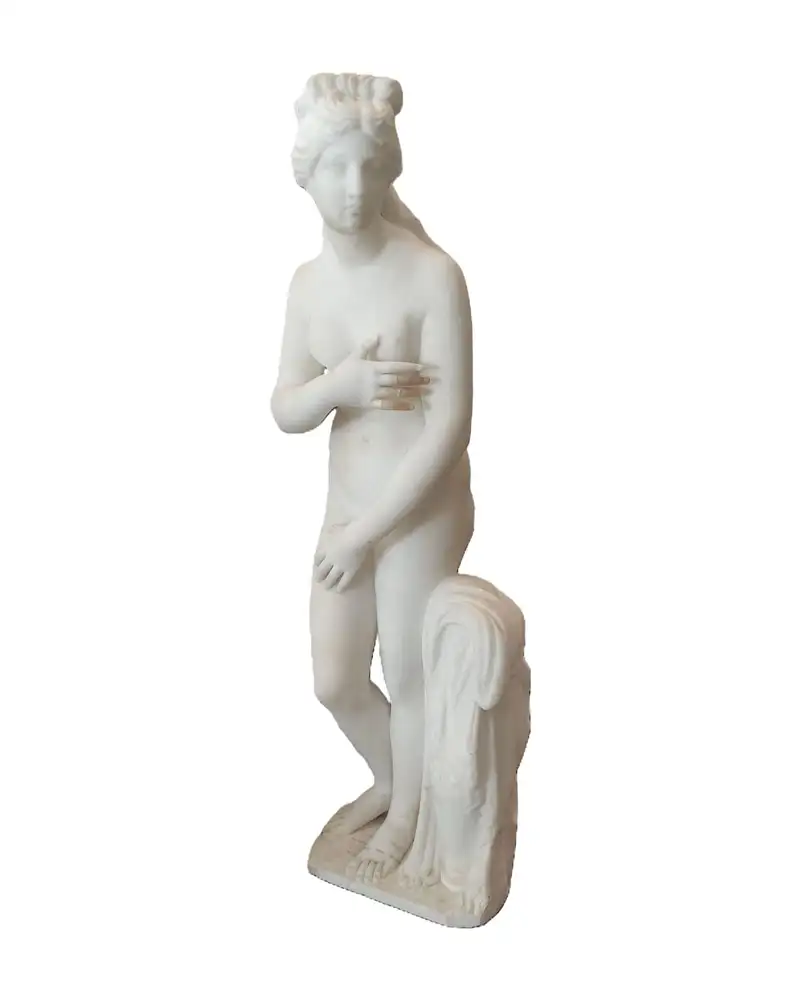
19th Century Marble Sculpture of Venus de Medici
Decorative Objects
19th Century · Italy
Marble
Ladrón de Guevara Fine Arts · Madrid
3.800 €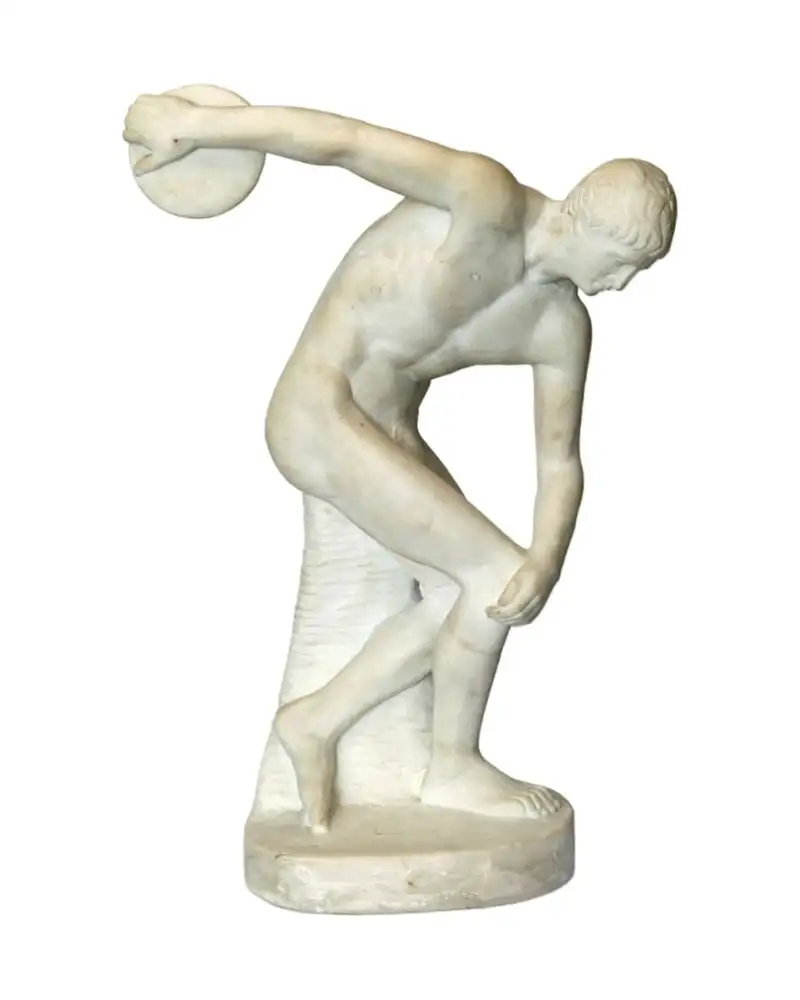
19th Century Discus Thrower Sculptor in Alabaster
Decorative Objects
19th–20th Century · Italy
Alabaster
Ladrón de Guevara Fine Arts · Madrid
1.600 €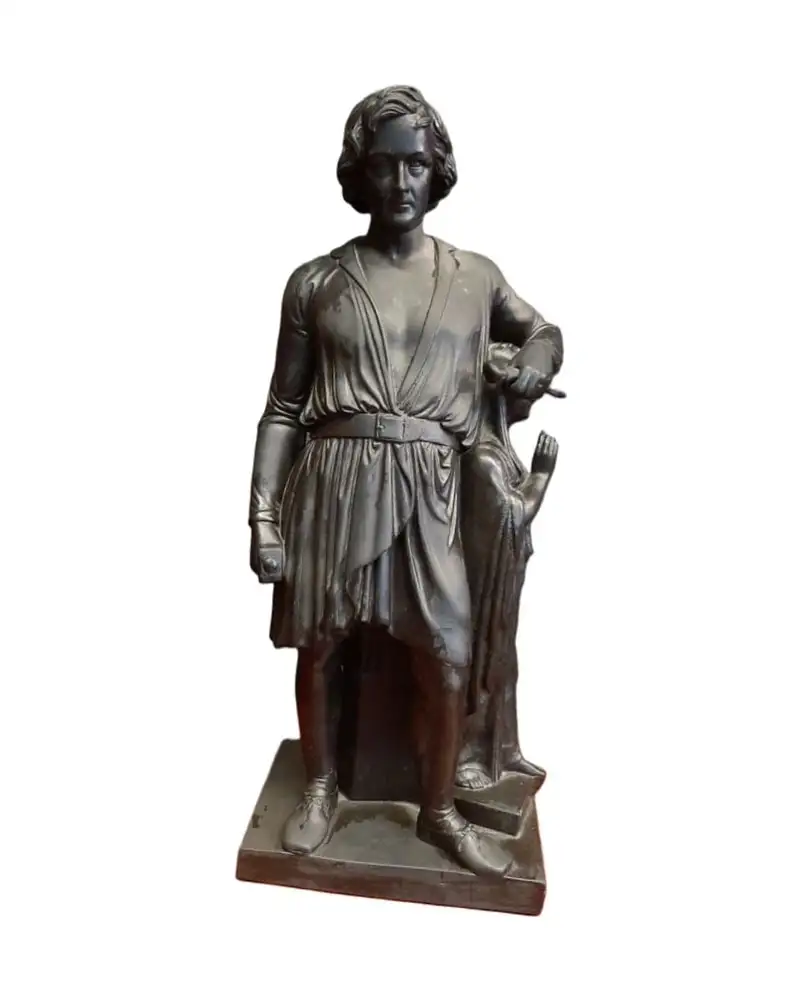
Self-Portrait of Thorvaldsen in Terracotta from the 19th Century
Decorative Objects
19th Century · Bornholm, Dinamarca
Terracotta
Ladrón de Guevara Fine Arts · Madrid
1.500 €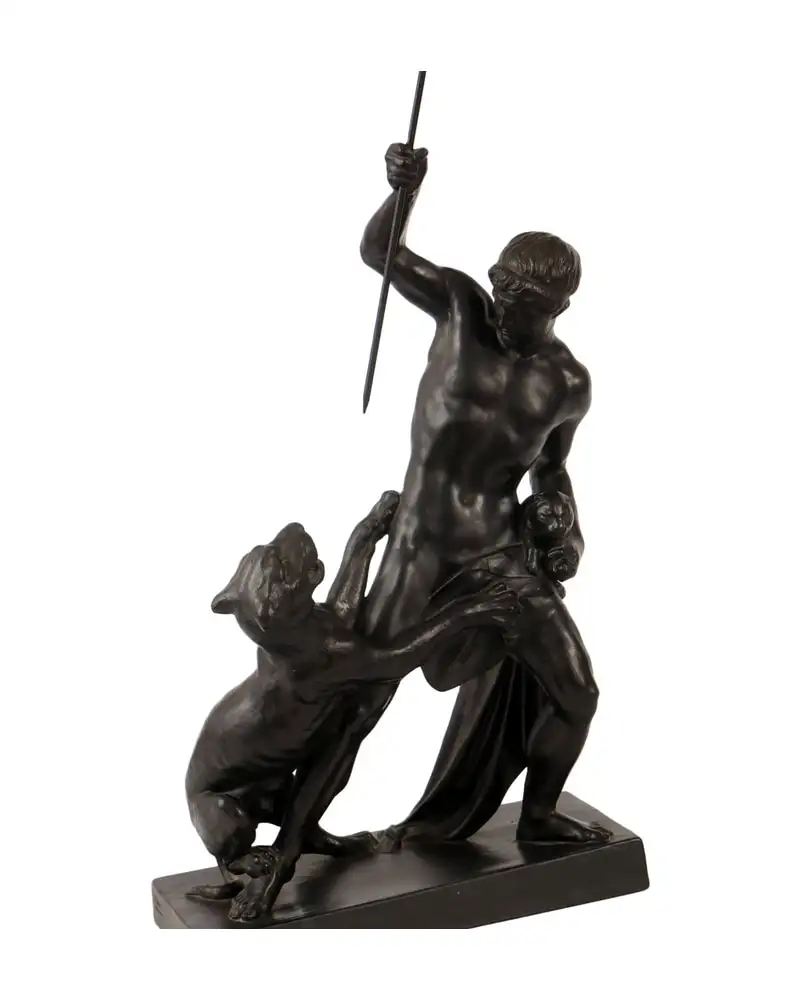
19th Century Pantherjäger in Black Terracotta
Decorative Objects
19th Century · Copenhague, Dinamarca
Black terracotta
Ladrón de Guevara Fine Arts · Madrid
1.500 €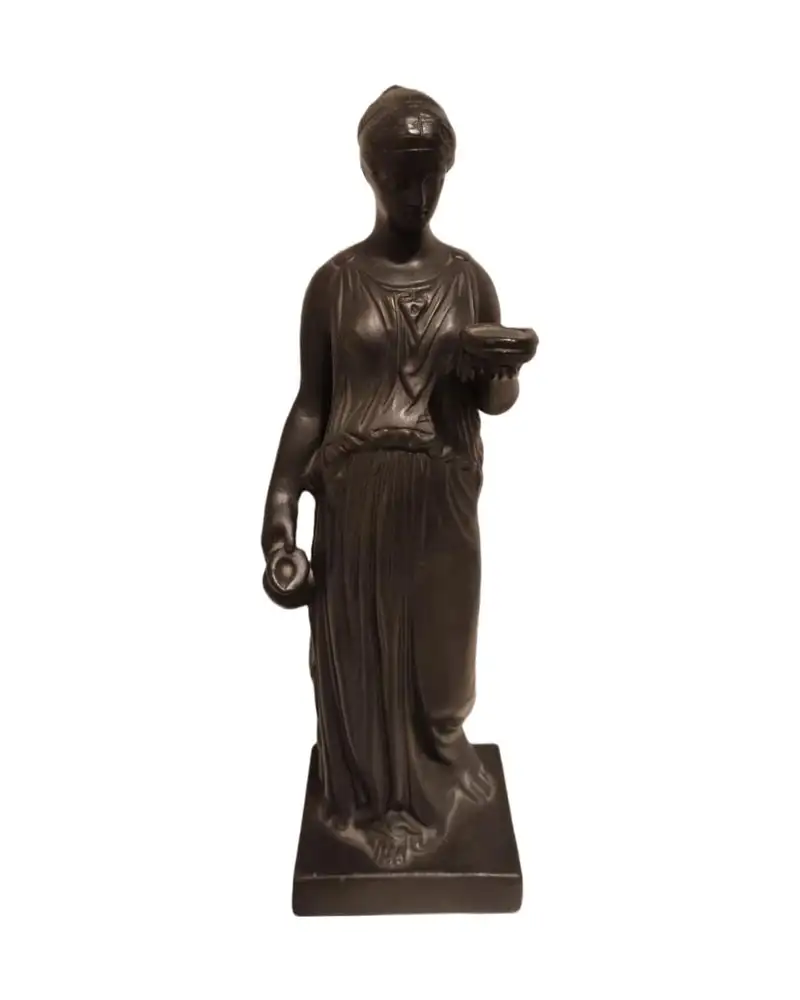
Hebe Sculpture after Thorvaldsen from the 19th Century
Decorative Objects
19th Century · Denmark
Black terracotta
Ladrón de Guevara Fine Arts · Madrid
250 €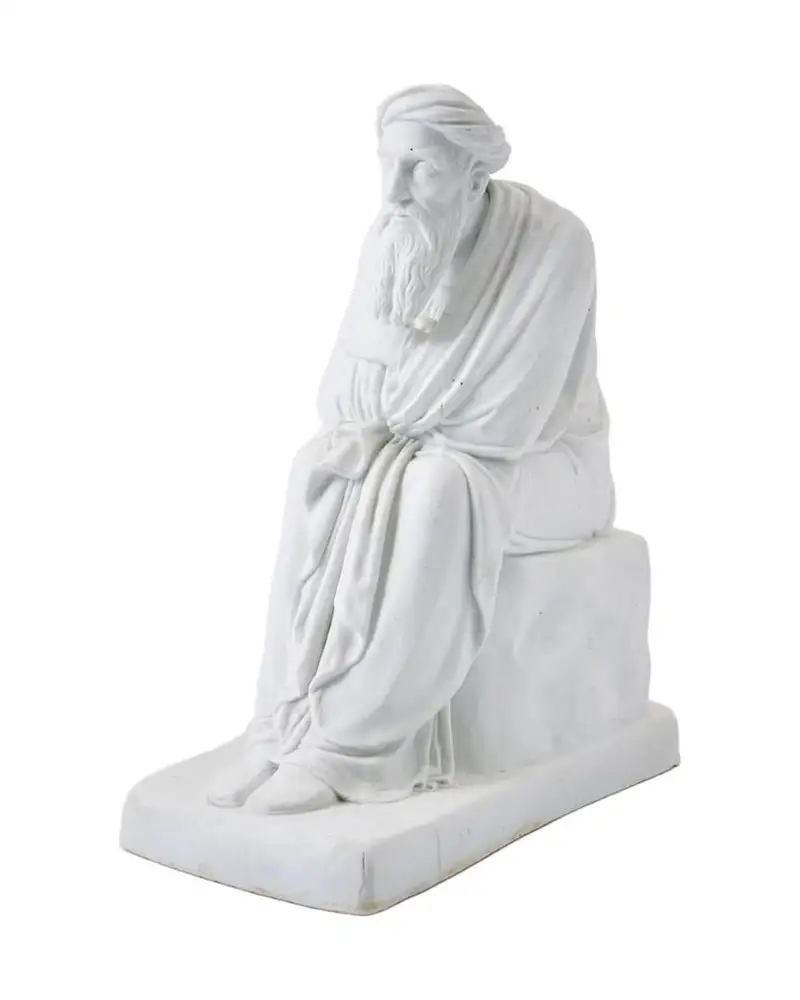
19th Century Elder Scribe Sculpture in Biscuit Porcelain
Decorative Objects
19th Century · Denmark
Biscuit porcelain
Ladrón de Guevara Fine Arts · Madrid
850 €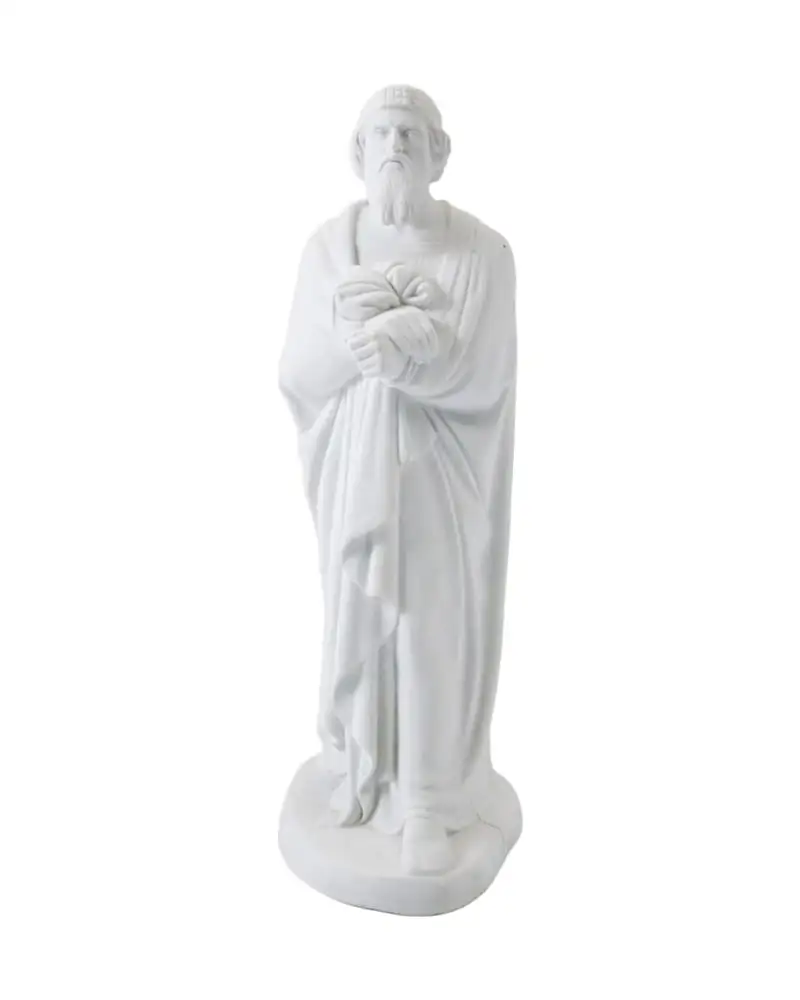
Pharisee according to Thorvaldsen, Biscuit Porcelain by Bing & Gröndahl
Decorative Objects
20th Century · Denmark
Biscuit porcelain
Ladrón de Guevara Fine Arts · Madrid
750 €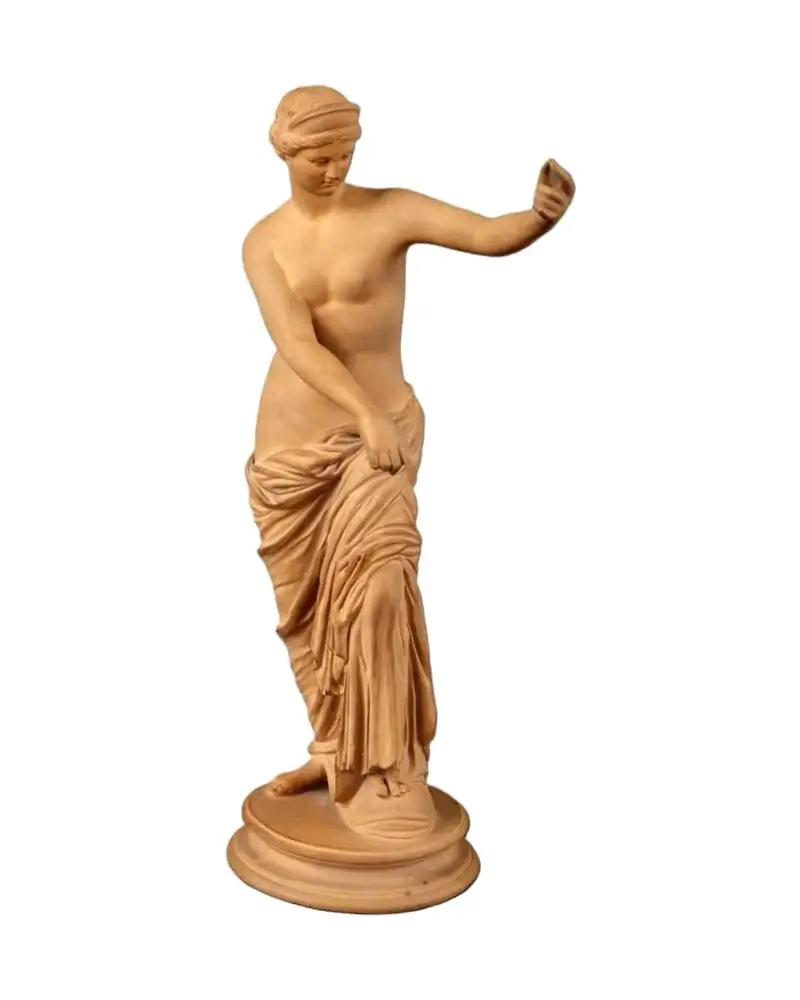
Statue of Aphrodite with Pearl from the 19th Century
Decorative Objects
19th Century · Italy
Terracotta
Ladrón de Guevara Fine Arts · Madrid
1.250 €