
Restoration
How to clean antique bronze without damaging the patina: a professional step-by-step guide
Antique bronze calls for a delicate balance between cleaning and preserving the patina. Learn the professional methods for caring for bronze candlesticks, wall lights, handles and sculptures without ruining centuries of history.
Bronze is one of the noblest and most durable alloys there is — some bronze pieces more than three thousand years old are still in magnificent condition. But that durability comes at a price: bronze reacts with its environment, and that reaction produces the patina so prized by collectors and dealers. Cleaning antique bronze without understanding what patina is and why it matters is like restoring a painting without knowing anything about paint: you can do more harm than good.
We have seen eighteenth-century candlesticks ruined by over-zealous cleaning products. We have seen chased bronze handles turned into bland objects by aggressive polishing that removed the detail of the chasing. And we have also seen pieces rescued from grime with the right methods, revealing a quality nobody suspected. The difference between one outcome and the other lies in the method — and the right method is always the most conservative one.
What bronze patina is, and why you should not remove it
Bronze patina is a layer of oxides and carbonates that forms on the surface of the alloy through reaction with oxygen, moisture and compounds in the air. The best-known result is verdigris — the characteristic green layer seen on copper statues and roofs. But bronze patina is far more varied: it can be dark brown (cuprous oxide), light green (copper carbonate), black (copper sulphide) or a complex combination of them all.
This layer is not just aesthetic — it is protective. A stable patina acts as a barrier between the metal and the environment, slowing future corrosion. Removing it exposes bare bronze to accelerated oxidation which, paradoxically, causes faster deterioration than the patina you wanted to remove. That is why, in professional conservation, the aim is never to remove the patina, but to stabilise it and clean off the dirt that builds up on top of it.
Step 1: Assess before you touch
Before applying any product, examine the piece carefully. Distinguish between patina (the natural oxidation layer, which is part of the piece) and accumulated dirt (dust, grease, candle wax, soot deposits). Patina is even and bonded to the metal; dirt is irregular and concentrated in areas of contact or exposure. If the piece has a stable, even green patina, leave it alone: it is exactly what a collector wants to see.
Step 2: Gentle cleaning of surface dirt
Prepare a solution of lukewarm water with a few drops of neutral soap, without harsh detergents. With a soft-bristled brush — an old toothbrush works perfectly — clean the surface with gentle circular movements. This step removes surface dirt without affecting the patina. Rinse with clean water and dry immediately with a clean cotton cloth. Bronze and prolonged damp do not get on.
Step 3: Treating stubborn deposits
If there are wax deposits (common on candlesticks), apply gentle heat with a hairdryer held at a distance to soften the wax and remove it with a cloth. Never scrape with metal tools — an orange stick (the kind used for manicures) is the ideal tool for awkward corners. For grease or oil deposits, use cotton wool soaked in isopropyl alcohol, but always test on a hidden area first.
What you must NEVER do
- Do not use commercial brass and bronze cleaners (such as Brasso) on antique pieces — they are abrasive and remove the patina.
- Do not use vinegar, lemon or acidic products — they attack the alloy and cause accelerated corrosion.
- Do not use steel wool, metal scourers or sandpaper — they scratch the surface irreversibly.
- Do not immerse pieces with internal mechanisms (clocks, padlocks, locks) — trapped moisture causes internal corrosion.
- Do not try to “restore the original shine” — the shine of new bronze is precisely what a collector does not want to see.
- Do not apply lacquers or protective varnishes over historic patina — they seal the surface and can yellow over time.
Long-term protection
Once the piece is clean, the best protection is a very thin coat of microcrystalline wax (such as Renaissance Wax), applied with a soft cloth and buffed with a natural-bristle brush. This wax creates a breathable barrier that protects the surface without changing the look of the patina. Reapply every six months to a year, depending on the piece’s exposure.
For bronze pieces used outdoors — door knockers, façade lamps or gate finials — microcrystalline wax is still the best option, but it will need renewing more often. Avoid “metal protection” sprays: they often contain silicones that leave a plastic finish incompatible with an antique piece.
A metals conservator once summed up the philosophy of cleaning bronzes for us in a single sentence: “If it looks as if you have done something when you finish, you have probably done too much.” The best cleaning is the one nobody notices.
Special cases
Bronze sculptures with an artistic patina (applied deliberately by the artist or the founder) need special care — that patina is part of the work and any change reduces its value. Gilt bronzes (bronze gilded with a mercury amalgam) must never be cleaned with abrasive products — incorrect cleaning can remove the gilding, which is extremely thin. In both cases, our advice is not to intervene and to consult a restorer specialising in metals.
Furniture fittings — handles, escutcheons, mounts — usually have a darker patina, the result of centuries of contact with the wood and with hands. Do not try to match the colour of all the fittings on a piece of furniture: variations are natural and desirable. Clean off the dirt gently and apply protective wax, but respect the differences in tone.
Bronze pieces with authentic patina
At Antiga we value original patina as an essential part of each piece. The photos in each listing show its condition, and you can ask the dealer for detail images before buying.
Browse the catalogue →Related pieces
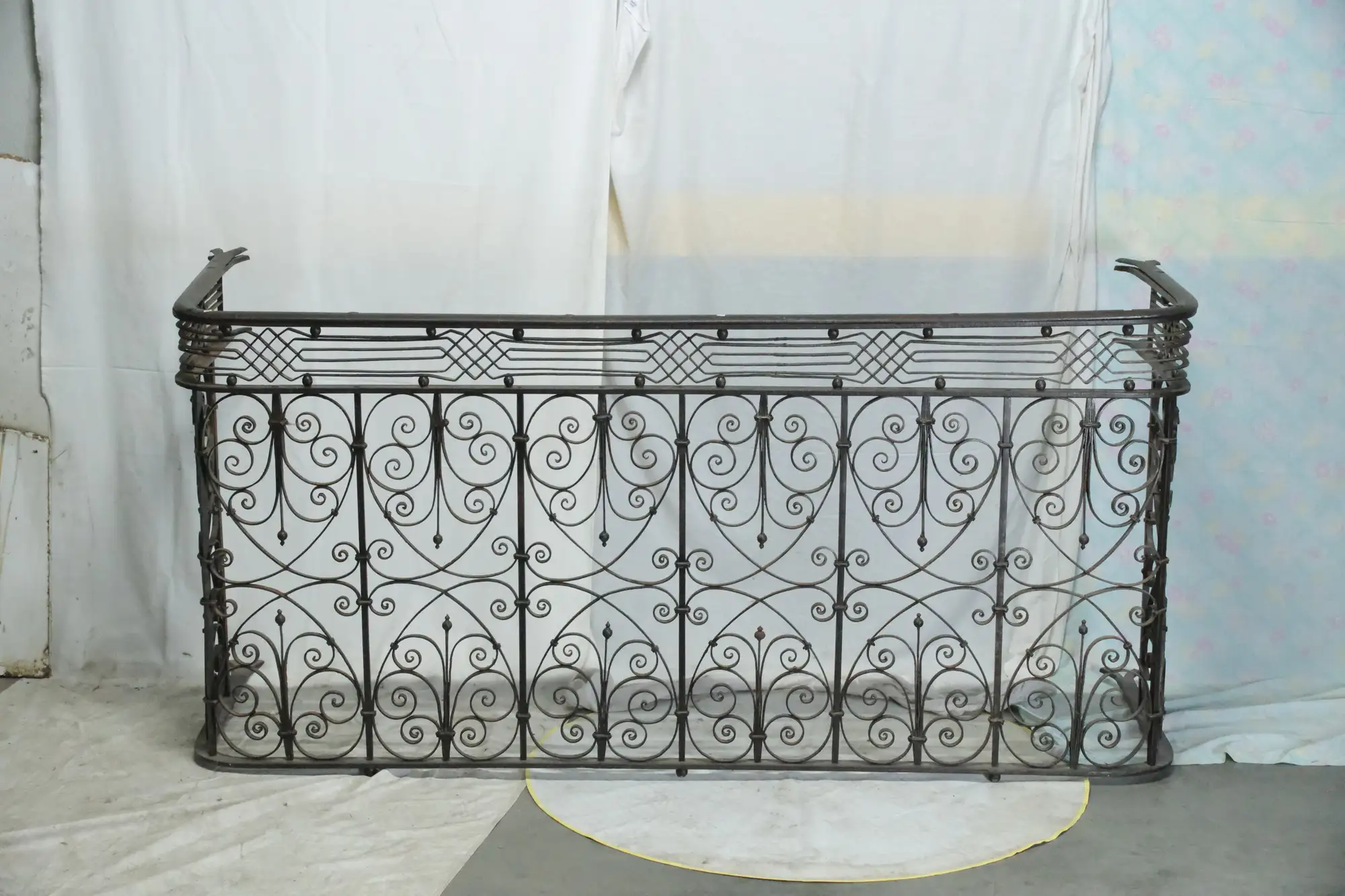
19th Century Wrought Iron Modernist Balcony
Metalwork & Ironwork
19th Century · Andújar, Jaén
Solid wrought iron
Portantica · Madrid
2.950 €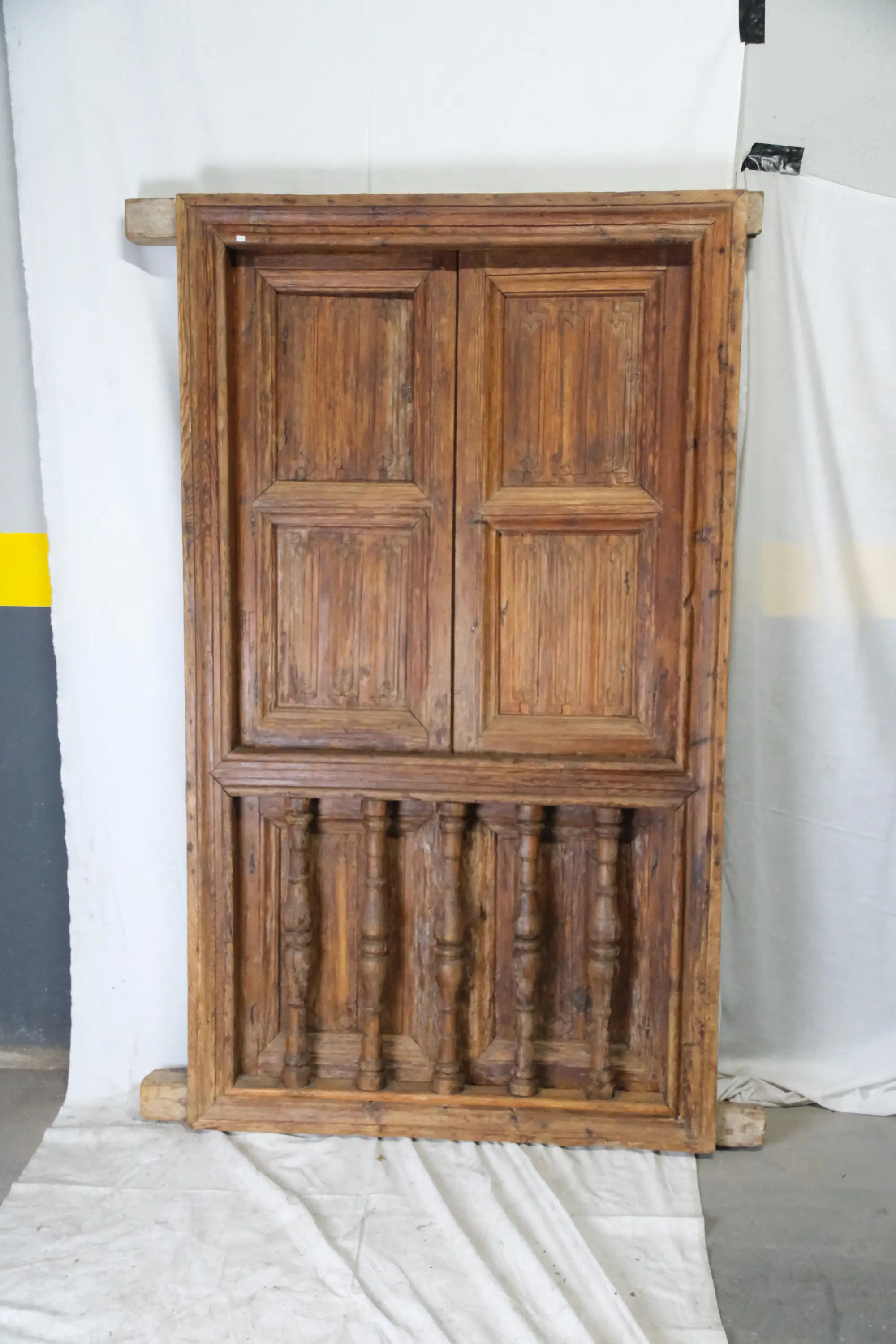
17th Century Pine Balconade with Balustrade
Doors & Architectural
17th Century · Castilla, España
Pine, metal
Portantica · Madrid
3.990 €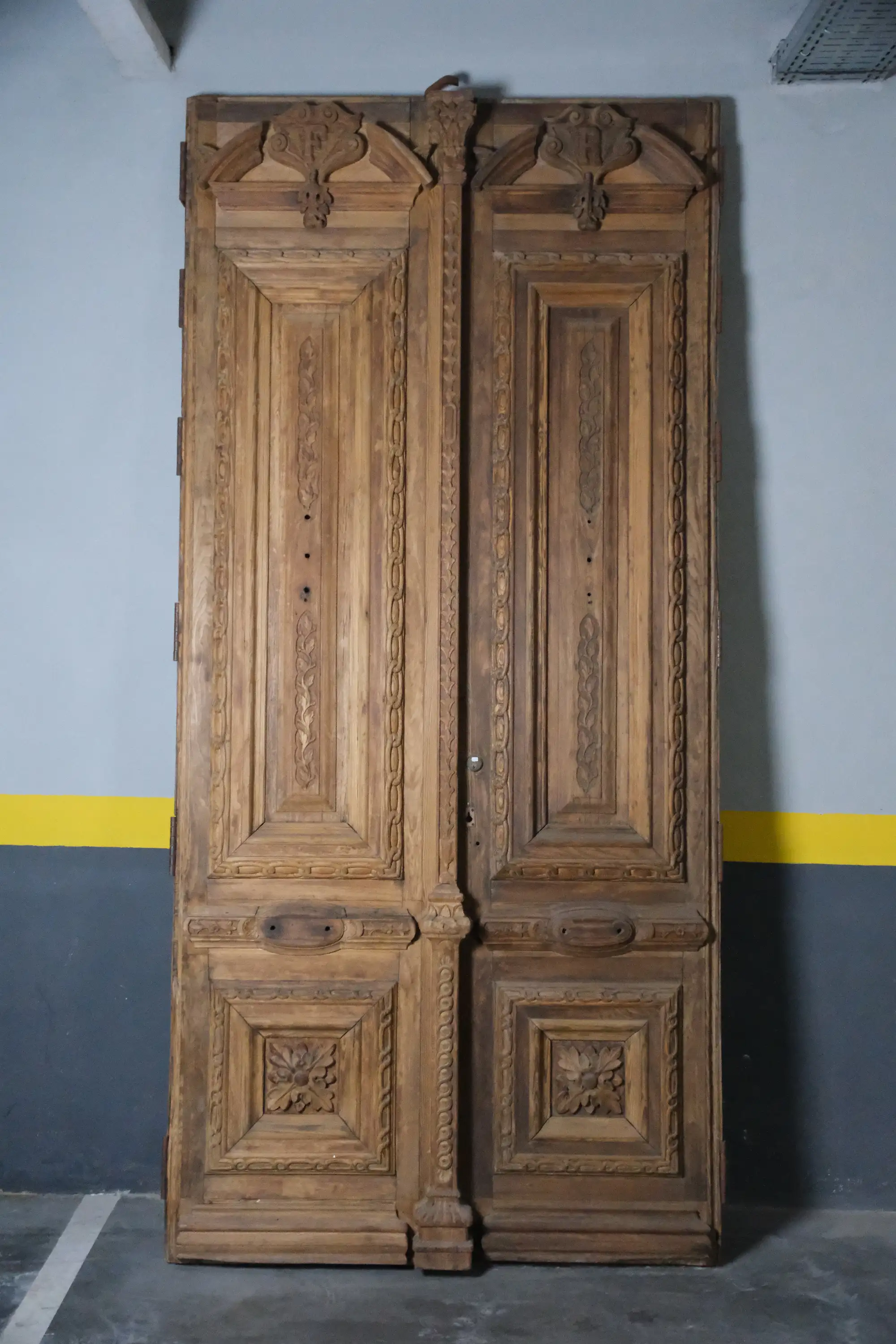
Entrance Gate, 19th Century
Doors & Architectural
19th Century · Madrid, España
Solid wood with decorative carvings.
Portantica · Madrid
3.725 €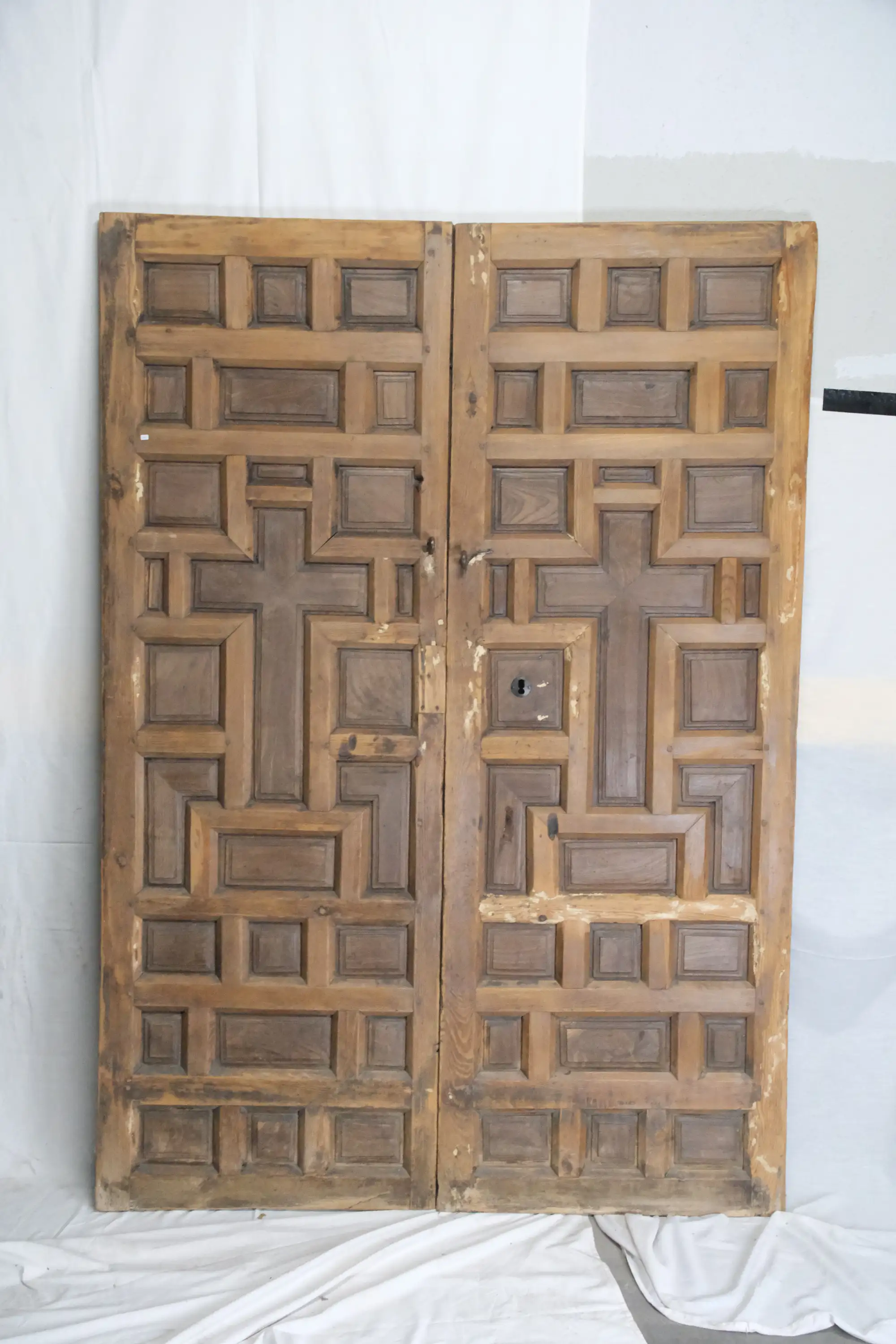
Castilian Door, 17th Century with Central Cross
Doors & Architectural
18th Century · Spain
Walnut and old Castilian pine panels
Portantica · Madrid
1.475 €