
Guide
Bronze antiques: a guide to identifying, valuing and conserving
Everything you need to know about bronze antiques: alloy types, casting techniques, how to tell genuine bronze from imitations, natural patinas and conservation tips.
Bronze has accompanied civilisation for more than five thousand years. It is the first alloy humans mastered, the one that gave its name to an entire age, and it remains one of the most sought-after materials in the antiques world. Candlesticks, sculptures, wall lights, clocks, handles, knockers — bronze is present in practically every category of the antiques market.
Yet few materials cause so much confusion. The difference between an eighteenth-century French gilt bronze and a twentieth-century industrial reproduction can amount to thousands of euros, and it is not always easy for an untrained eye to spot. This guide aims to provide the basic tools to navigate the antique bronze market with judgement.
What bronze actually is
Bronze is an alloy of copper and tin, although throughout history other metals — zinc, lead, phosphorus — have been added to change its properties. Classic bronze (copper and tin) is hard, resists corrosion and rings with a characteristic sound when struck. Brass (copper and zinc), often confused with bronze, has a yellower tone and is softer.
In the antiques trade, “bronze” is used rather loosely for any copper alloy with a golden or brownish look. For the serious collector it pays to be precise: a mercury-gilt bronze (ormolu) of the Louis XV period is not the same as a cast brass piece from the early twentieth century.
Casting techniques: lost wax and sand casting
The two main bronze casting techniques are lost-wax casting and sand casting. Lost wax, used since antiquity, produces pieces of great detail and complexity: the artist models in wax, a ceramic mould is built around it, the wax is melted out and liquid bronze is poured into the cavity. Each piece is unique.
Sand casting, cheaper and better suited to series production, uses moulds of compacted sand. Fine details are less precise, and the pieces need more chasing and finishing afterwards. Examining the inside of a hollow piece, the seams and the finishing marks can offer clues to the technique used, although reading them correctly takes experience.
Gilt bronze: ormolu and its imitations
Ormolu — mercury-gilt bronze — is the holy grail of decorative bronze. It was the dominant technique in France from Louis XIV to the Empire, and it produces gilding of unmatched depth and warmth. The process was expensive and dangerous (mercury fumes caused serious health problems for the craftsmen), and over the nineteenth century it was replaced by electrogilding, which is far less toxic.
Genuine ormolu has a warm, slightly uneven gilding, with matt and burnished areas that create a characteristic play of light. Later electroplated imitations tend towards a colder, more uniform tone with less depth. With experience, the difference can be seen with the naked eye.
How to tell genuine bronze from imitations
- Weight. Bronze is dense. If a piece that should be bronze feels light, it is probably spelter (a zinc alloy) or resin.
- Sound. Bronze gives a high, sustained note when tapped gently. Spelter sounds dull and dry.
- Magnetism. Bronze is not magnetic. If a magnet sticks, the piece contains iron and is not bronze.
- Patina. The natural patina of bronze develops slowly and is uneven. Artificial patinas (applied with chemicals) are usually more uniform and can rub off.
- Casting details. Good old pieces show hand chasing — graver marks, controlled irregularities. Industrial reproductions have surfaces that are too regular.
The main categories of antique bronze
Bronze sculpture. From the classical figures of the Renaissance to the nineteenth-century animalier bronzes (Barye, Mêne, Bonheur), bronze sculpture remains one of the most active categories of the market. Prices vary enormously: from a few hundred euros for a signed workshop bronze to tens of thousands for a work by a sought-after sculptor.
Furniture mounts. Handles, escutcheons, corner mounts, mouldings — the bronzes applied to French and Italian furniture from the seventeenth to the nineteenth century are a field in themselves. The mounts made for cabinetmakers such as Boulle, Cressent or Riesener are works of art in miniature, and replacing an original mount with a copy significantly reduces a piece’s value.
Lighting. Candelabra, wall lights, chandeliers with bronze arms. Large gilt-bronze candelabra of the eighteenth and nineteenth centuries still fetch very high prices at auction. More modest pieces — chambersticks, table candlesticks — are more affordable and an excellent way to start a collection.
Caring for antique bronze
The fundamental rule is to respect the patina. An antique bronze with its natural patina — green, brown or black depending on the alloy and the environment — is worth more than the same bronze polished to a shine. Polishing an antique bronze removes the surface layer that took centuries to form and reduces both its market value and its aesthetic interest.
- Dust regularly with a soft, dry cloth.
- Do not use abrasive cleaning products or metal polishes.
- Apply a thin coat of microcrystalline wax once or twice a year to stabilise the patina.
- Avoid handling with bare hands: the grease and acidity of skin can leave permanent marks.
- If the piece shows active corrosion (bright green spots that spread), consult a professional restorer.
Antique bronze as an investment
Good antique bronze has proved a consistent store of value. Sculptures signed by recognised artists, gilt-bronze mounts from fine French furniture and monumental candelabra hold or increase their value over the medium and long term. The key, as always with antiques, is to buy quality and authenticity rather than quantity.
Bronzes and metalwork on Antiga
Bronzes, candlesticks and metal objects with detail photos; from each listing you can ask the dealer about the technique, period and condition of the piece.
See the catalogue →Related pieces
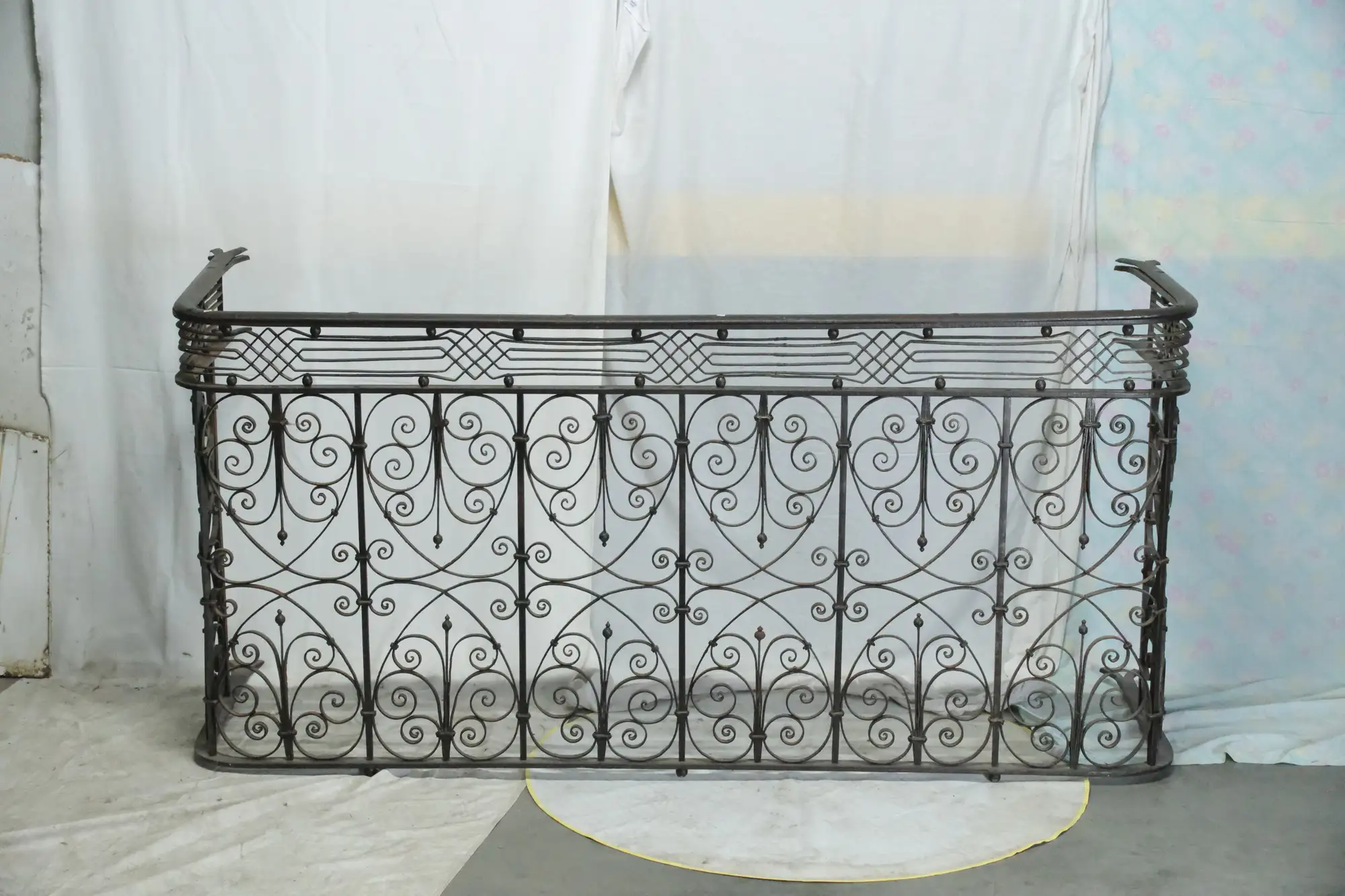
19th Century Wrought Iron Modernist Balcony
Metalwork & Ironwork
19th Century · Andújar, Jaén
Solid wrought iron
Portantica · Madrid
2.950 €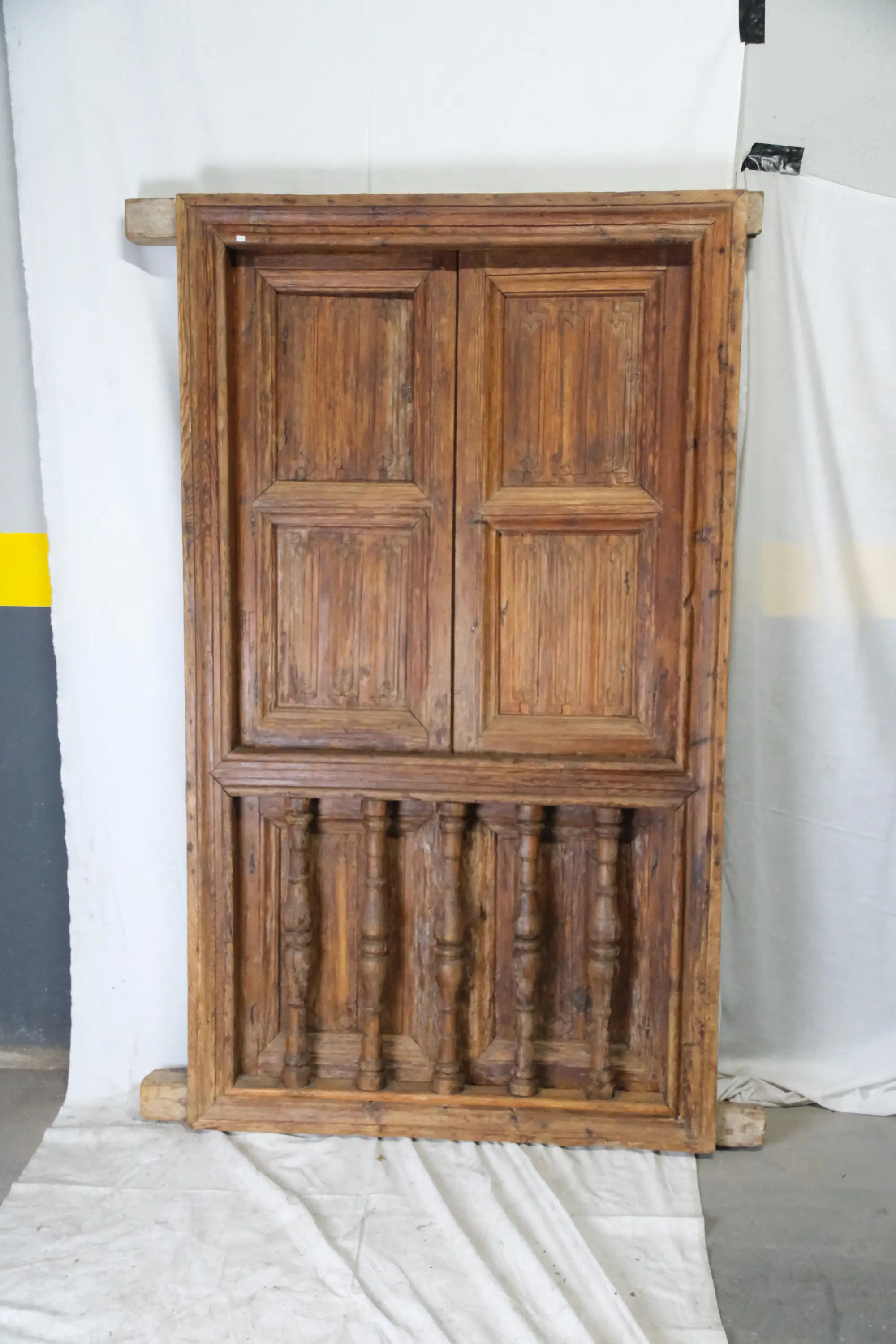
17th Century Pine Balconade with Balustrade
Doors & Architectural
17th Century · Castilla, España
Pine, metal
Portantica · Madrid
3.990 €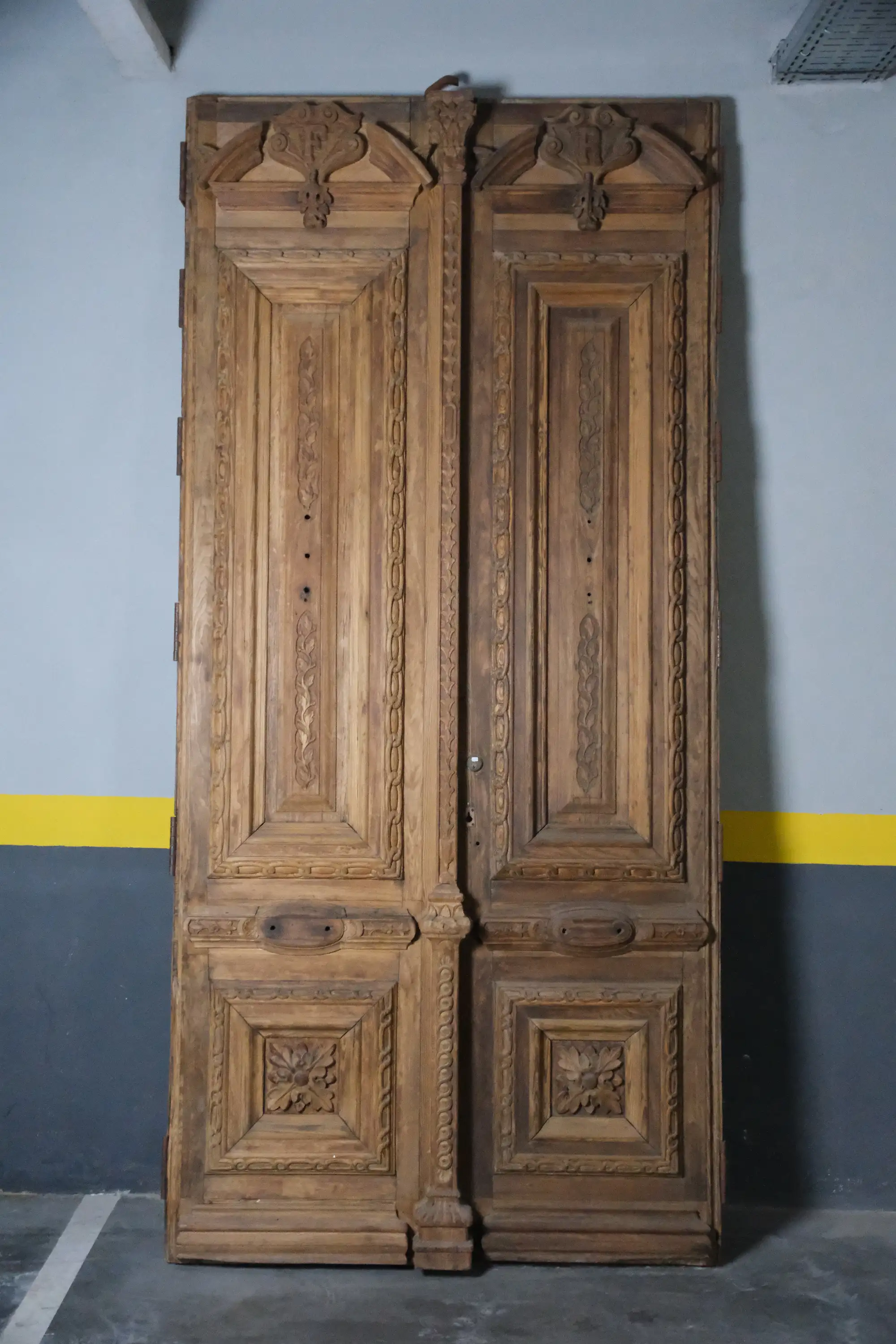
Entrance Gate, 19th Century
Doors & Architectural
19th Century · Madrid, España
Solid wood with decorative carvings.
Portantica · Madrid
3.725 €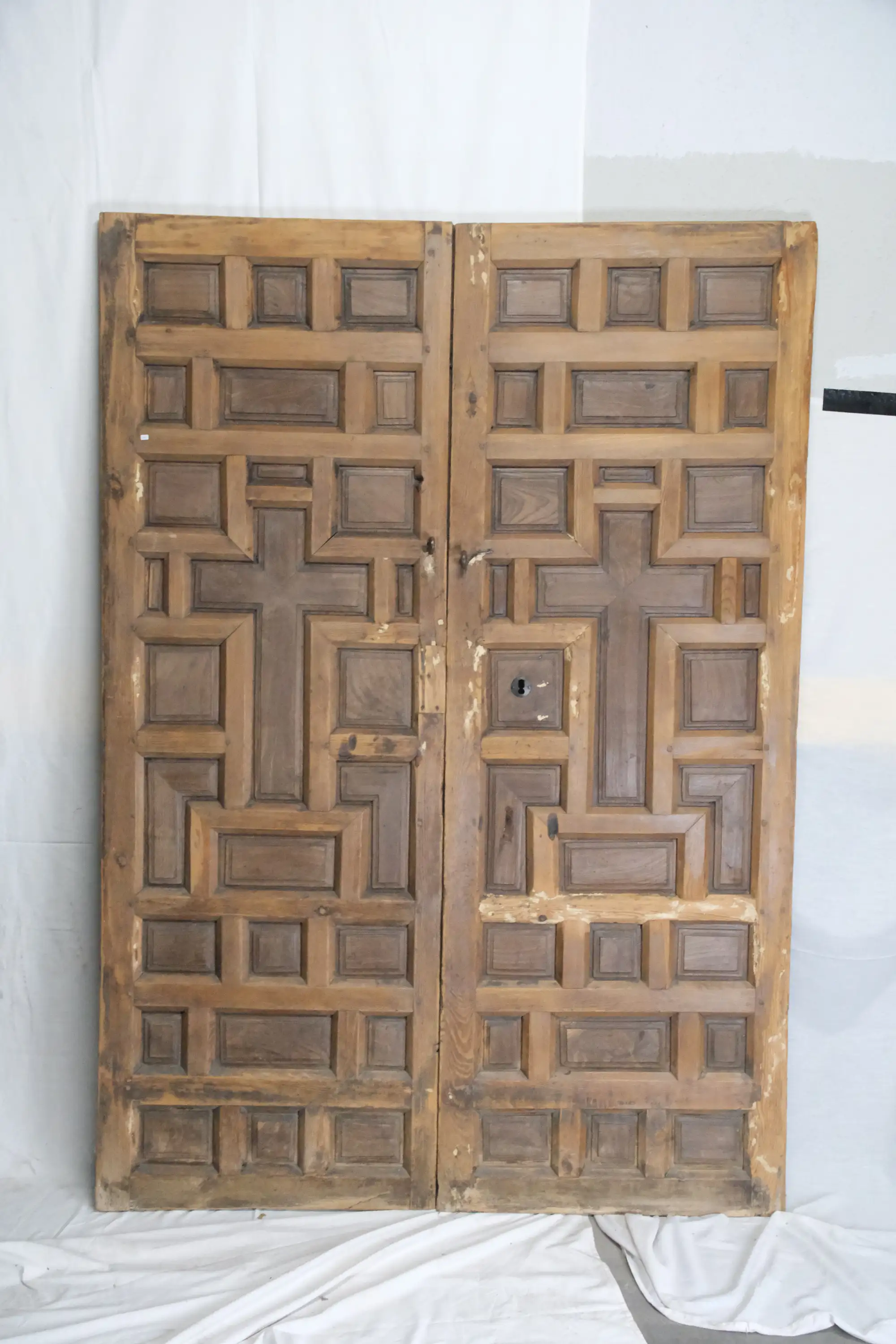
Castilian Door, 17th Century with Central Cross
Doors & Architectural
18th Century · Spain
Walnut and old Castilian pine panels
Portantica · Madrid
1.475 €